Beyond The Ordinary
A Man Working With A Book.
Beyond The Ordinary
There is a connection here between me and many things connected to 14/09/1963 (my date of birth).
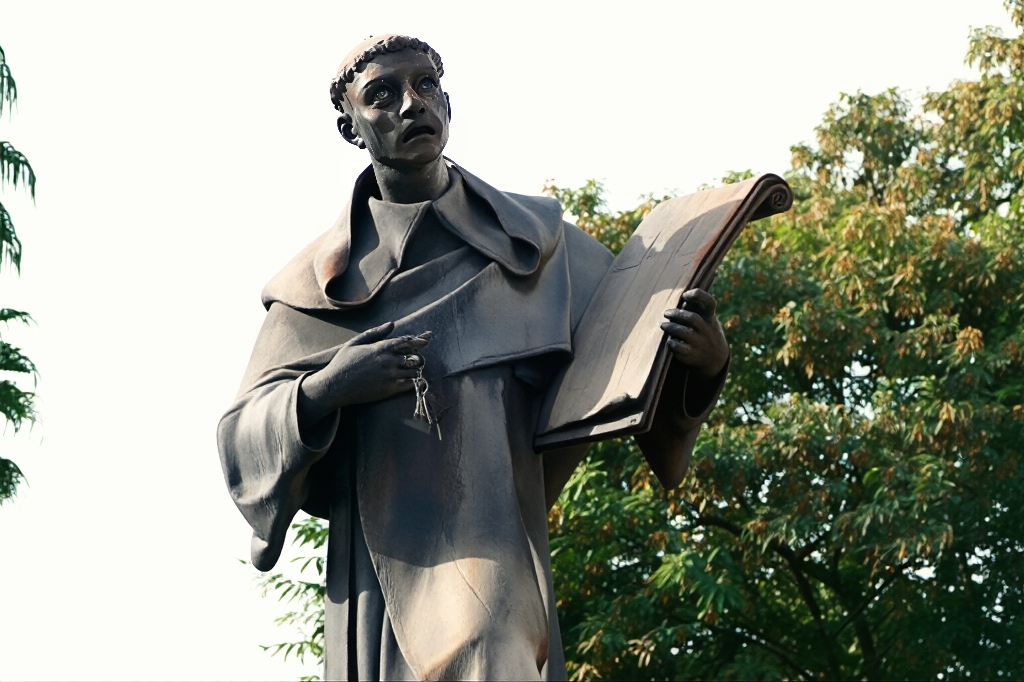
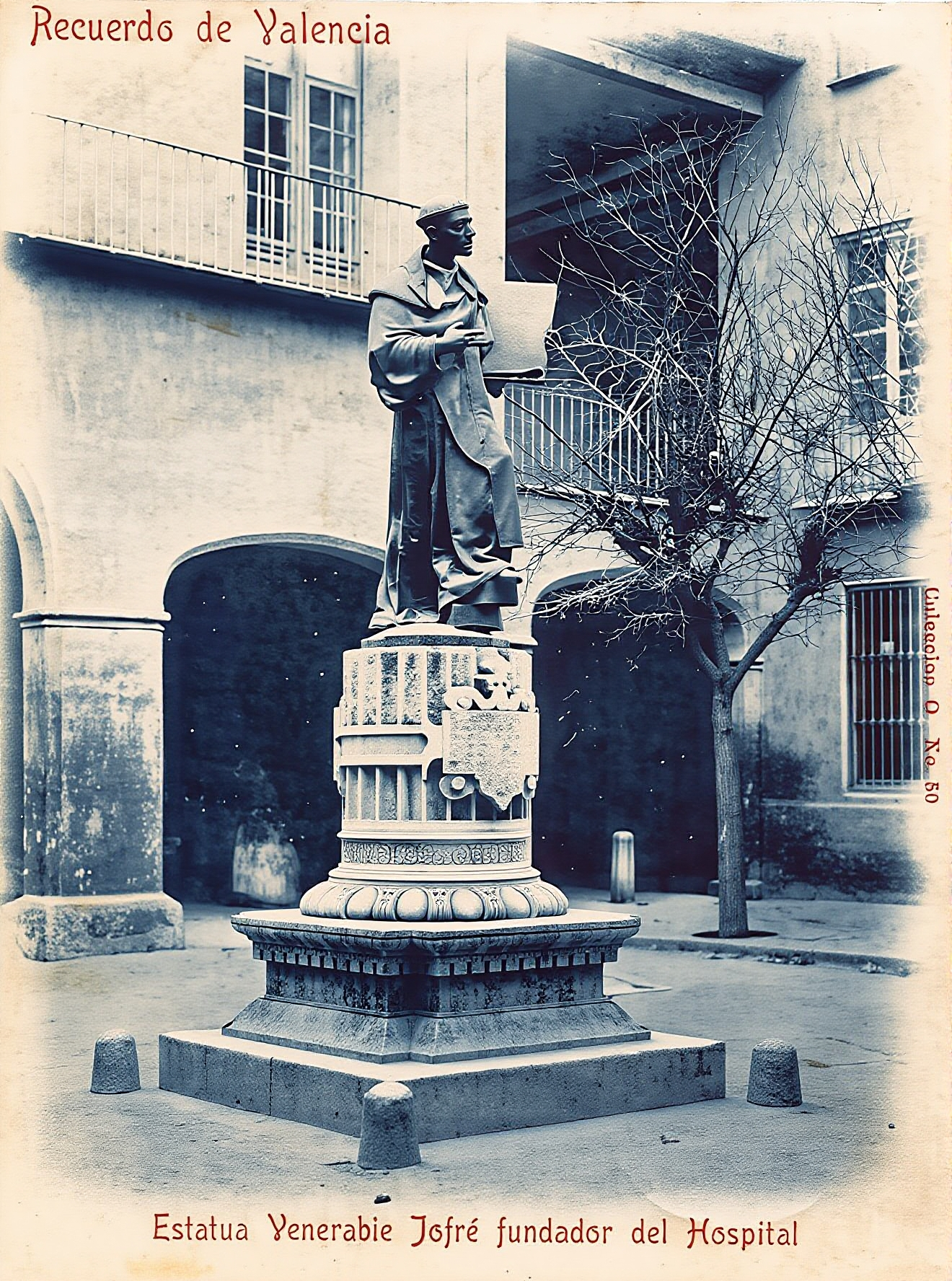
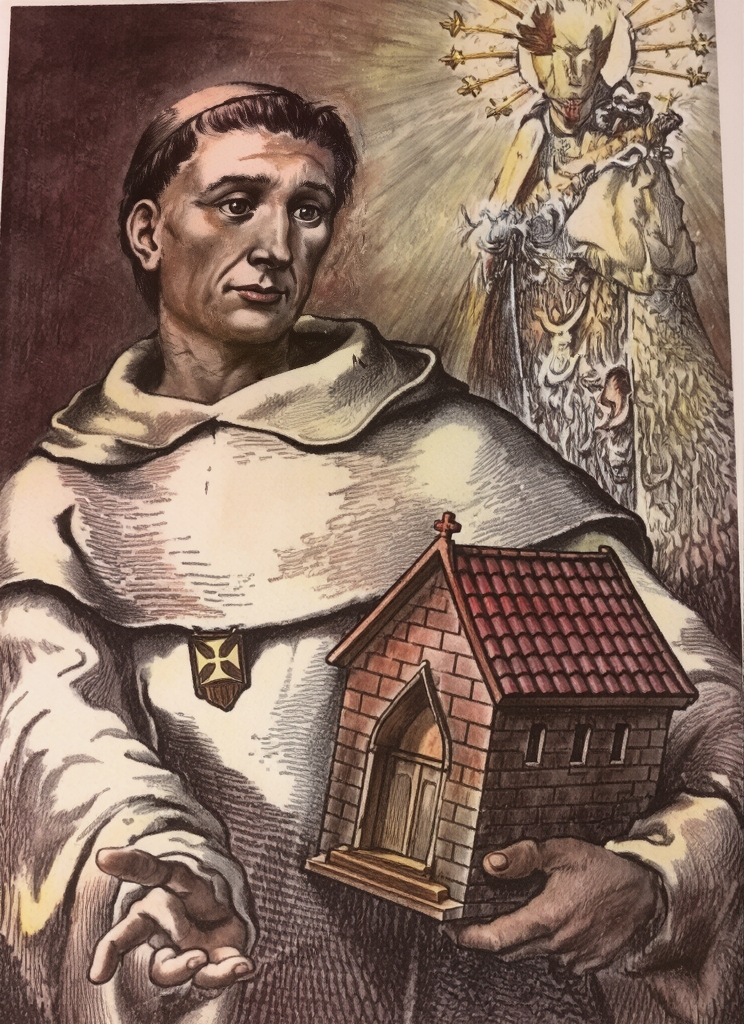
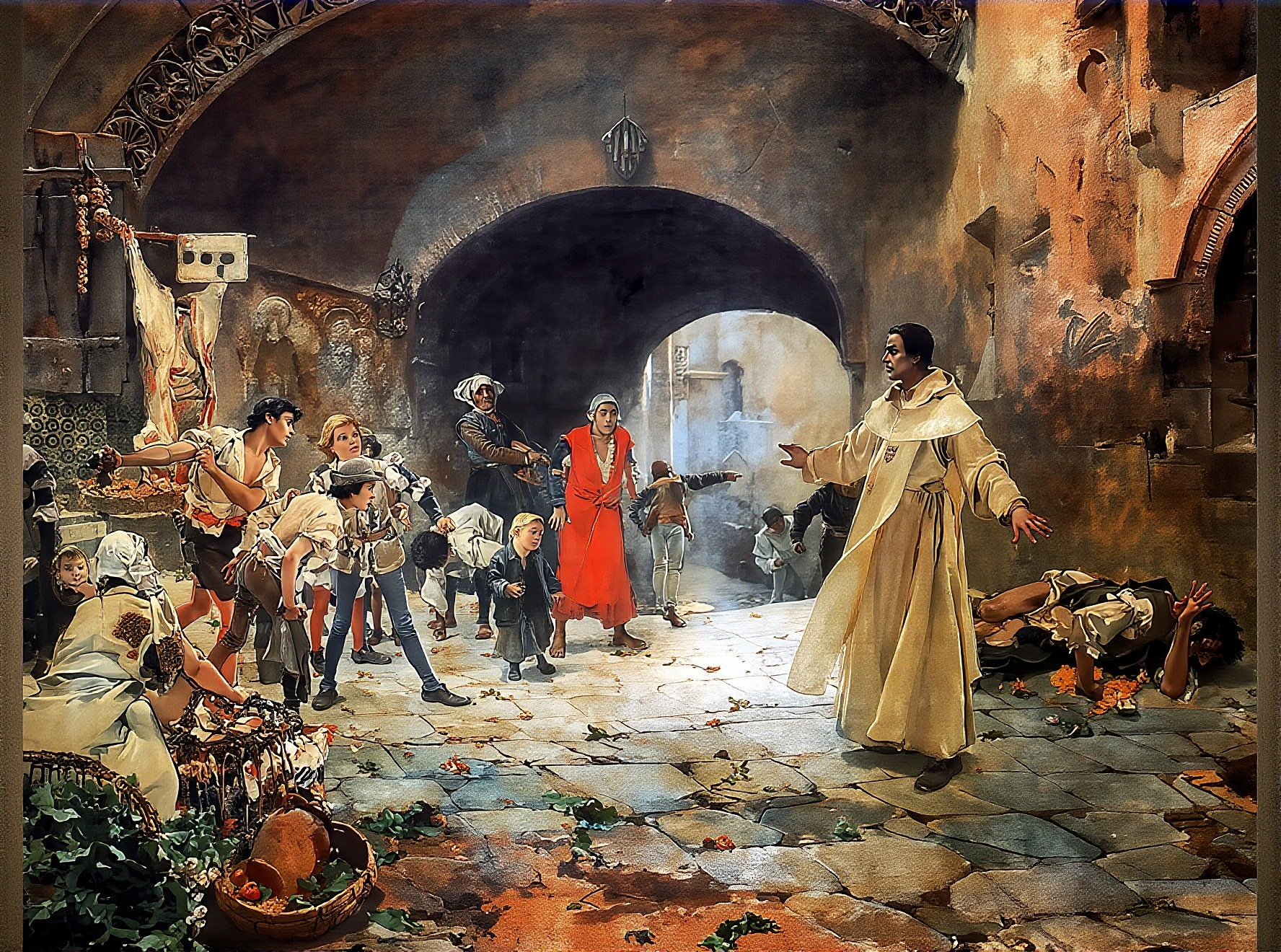
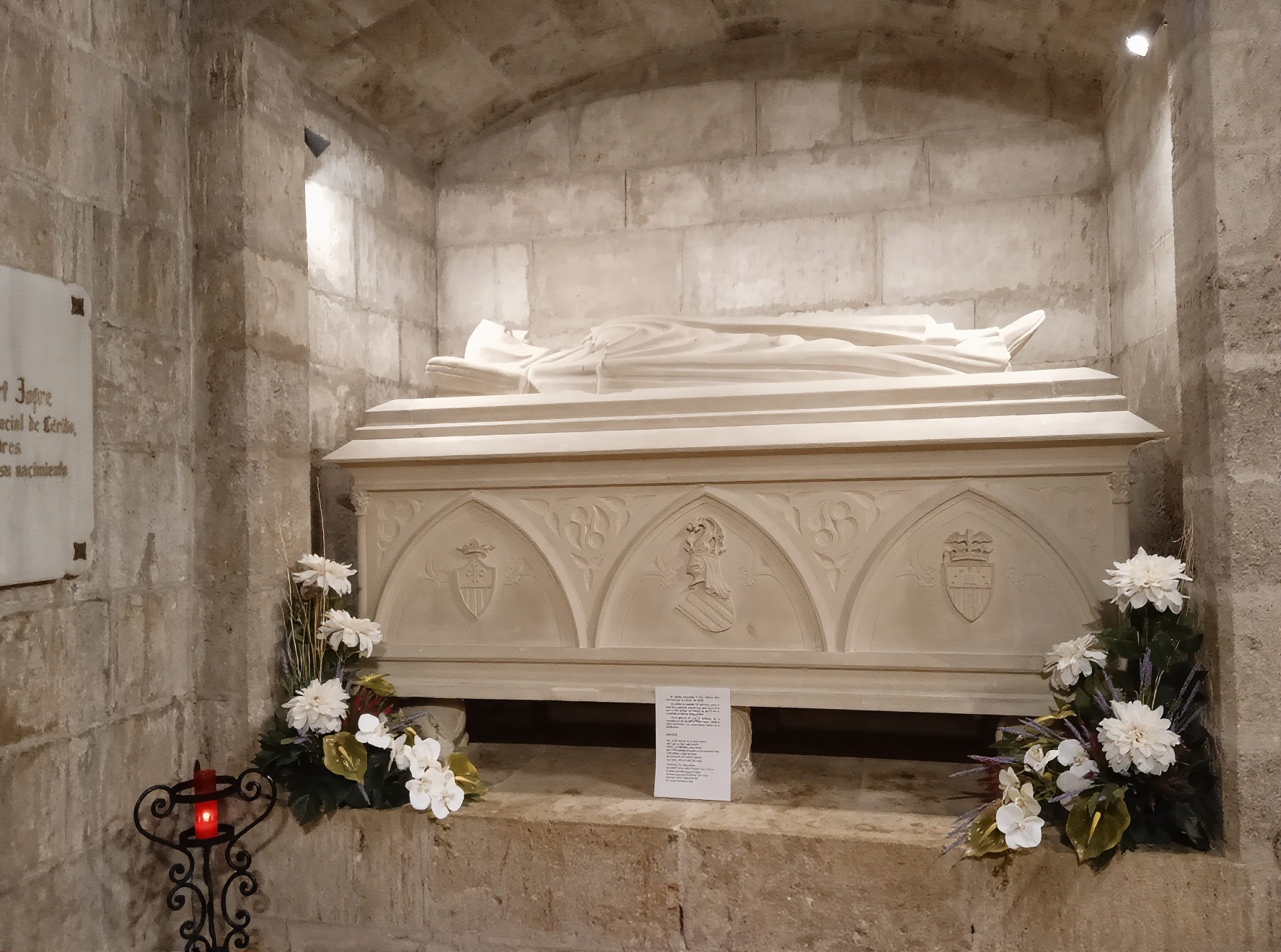
The Hospital dels Ignoscents (The Hospital Of The Innocents) in Valencia, Spain, founded in 1409–1410 by the Mercedarian Friar Father Joan Gilabert Jofré, is widely considered the first psychiatric hospital in the Western world designed specifically for the care and treatment of the mentally ill.
Where's the connection to 1963 (my year of birth)?
The original site was located near the Portal de Torrent in the Velluters neighborhood of Valencia.
Public Library: Since 1963, the restored historic building has housed the Valencia Public Library (Biblioteca Pública de Valencia).
Beyond the ordinary
This is where our journey begins. Get to know our business and what we do, and how we're committed to quality and great service. Join us as we grow and succeed together. We're glad you're here to be a part of our story.
Beyond the ordinary
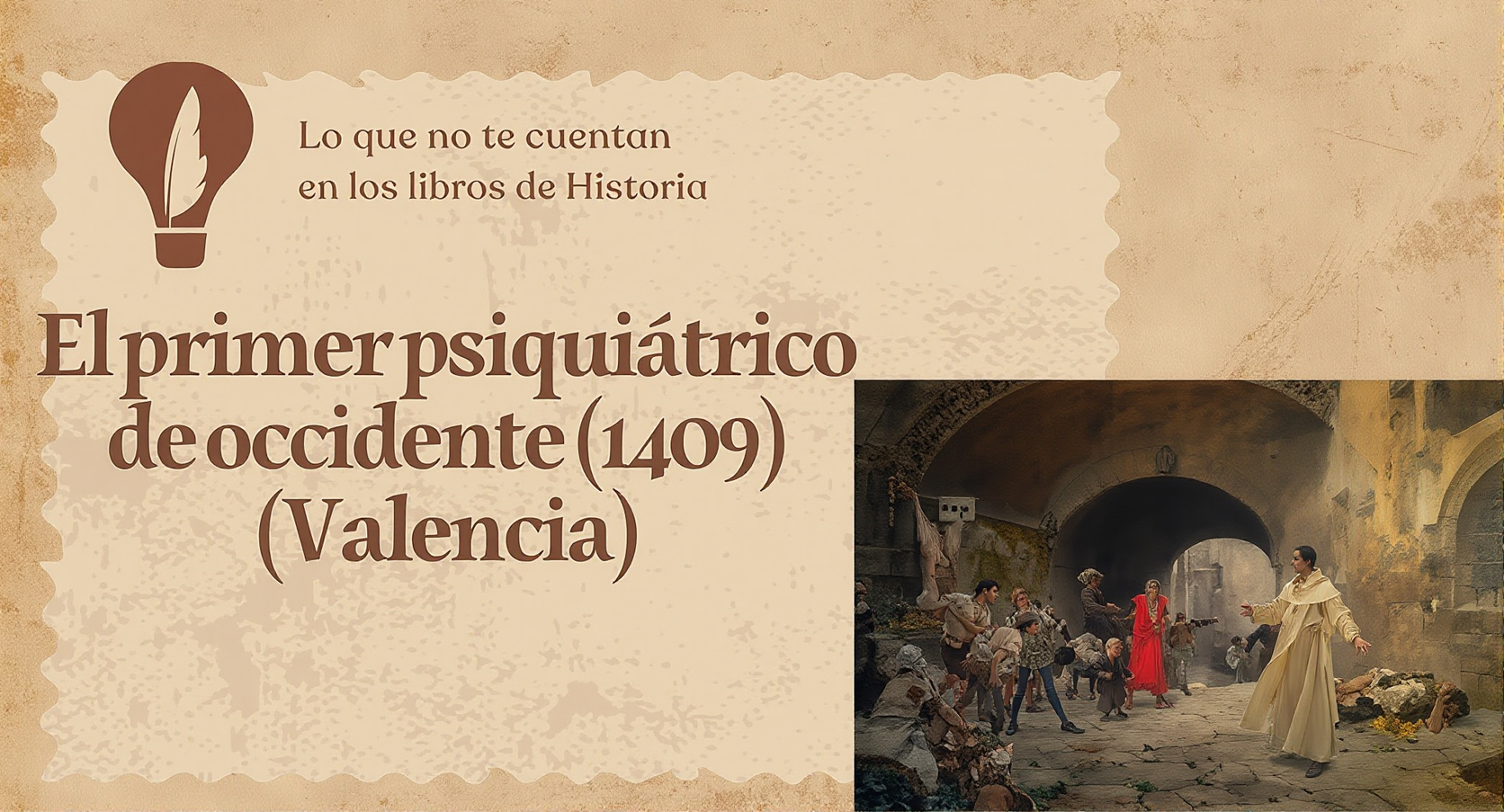
The above image highlights lesser-known historical facts about mental healthcare, specifically focusing on the first psychiatric hospital in the Western world.
Location: Valencia, Spain.
Founding Date: 1409.
Significance: The first psychiatric institution in the West.
Translation.
What they don't tell you in history books (!)
The first psychiatric hospital in the West (1409) (Valencia).
Beyond The Ordinary
The Mercedarians (Order of the Blessed Virgin Mary of Mercy, O. de M.) are a Roman Catholic religious order founded in 1218 by St. Peter Nolasco in Spain. Originally established to ransom captive Christians from Muslim captivity, they are recognized for a fourth vow to sacrifice their own lives, if necessary, for the faith of others.
Key Aspects of the Mercedarians.
• Foundation: Founded in Barcelona in 1218 with the support of King James I of Aragon and St. Raymond of Peñafort
.
• Mission & Vow: Beyond vows of poverty, chastity, and obedience, they take a "blood vow" to act as hostages for Christians in danger of losing their faith or under captivity.
.
• History: They historically rescued thousands of Christian slaves, including the author Miguel de Cervantes.
• Modern Work: Today, the Mercedarian Friars USA and international communities continue this mission by addressing modern captivities—such as poverty, addiction, and religious persecution—through education, parish work, and prison ministry.
• Structure: The Order consists of priests and brothers. A corresponding order of nuns, the Mercedarian Sisters, also exists.
• Habit: They wear a white habit as a symbol of their order.
Beyond The Ordinary
I have heard that some people believe that 'God destroyed The First Creation because there was no room for mercy'.
This concept is most deeply explored in Jewish mystical and Rabbinic traditions, specifically within the Midrash and later Kabbalistic thought.
These teachings suggest that before our current world, God created and destroyed previous "worlds" because they were governed purely by Din (Divine Judgment/Justice) and lacked the tempering influence of Chesed (Mercy/Lovingkindness). Without mercy, these worlds were too rigid to sustain human existence or provide a path for redemption when flaws inevitably appeared.
The primary source for this idea is
Genesis Rabbah 3:7, a collection of ancient homiletic interpretations of the Torah.
Creating and Destroying:
Rabbi Abbahu taught that God created many worlds and destroyed them before settling on this one.
The Divine Verdict:
According to the Midrash, God looked at these previous attempts and said, "This one pleases me; the others did not please me".
The Flaw of Justice:
Commentators explain that the "unpleasing" worlds were built solely on the foundation of Strict Justice. In such a world, even a single mistake would lead to immediate and final destruction, making it impossible for life to flourish or for people to repent.
The Kabbalistic Expansion: The Breaking of the Vessels.
In Kabbalah (specifically the teachings of the Zohar and Isaac Luria), this concept is expanded into a sophisticated metaphysical framework.
The Unbalanced Emanations:
The Zohar suggests that the first "worlds" were emanations from the Divine that were unbalanced. They consisted of pure "Light" without enough "Vessels" to hold it, or they were dominated by the "Left Column" (Judgment) without the "Right Column" (Mercy).
Shevirat ha-Keilim:
This is known as the "Shattering of the Vessels." Because these early structures lacked the "glue" of mercy and compassion, they were unviable and shattered under the intensity of the Divine Light.
The Purpose of Our World:
Our current world is seen as a Tikkun (Repair). God integrated Mercy into the very fabric of existence so that humanity could survive its own shortcomings and work to "elevate the sparks" of the previous shattered worlds.
Comparison of the Two Attributes.
Theology describes these two forces as the dual pillars of creation:
Attribute: Quality | Role in the "First" Creation
Din/Gevurah: Strict Justice | The primary force; led to immediate destruction of anything imperfect.
Chesed: Mercy/Kindness | The missing element; allows for patience, growth, and second chances.
Key Takeaway:
The destruction of the first creation is not viewed as a "failure" by God, but as a necessary developmental step to create a world where free will and forgiveness could coexist. By building our world on a mixture of justice and mercy, God provided the "space" necessary for human life to endure.
Li
The Mercy Seat
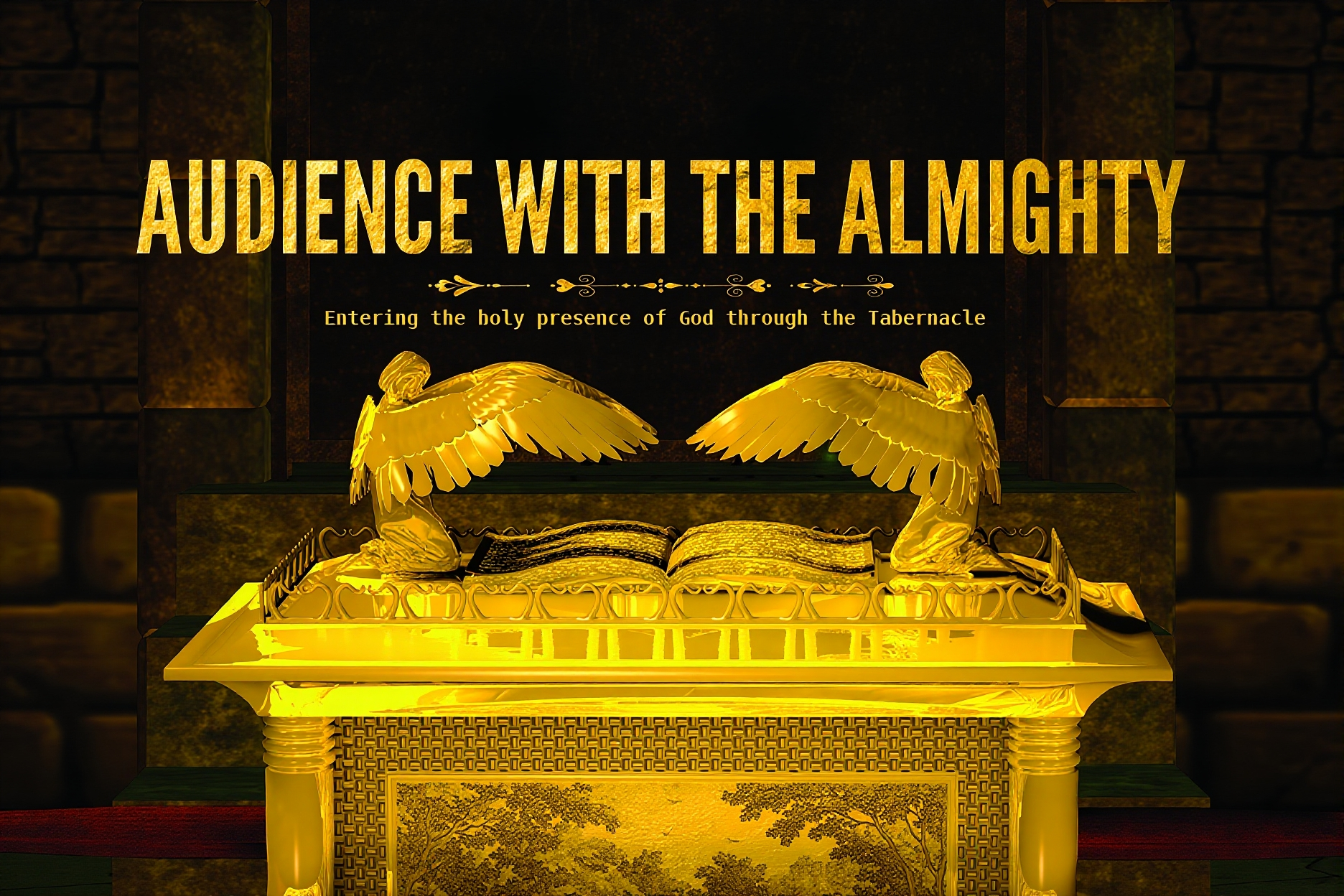
The Mercy Seat (or kapporet) is the golden lid of the Ark of the Covenant, representing God's throne in the Old Testament, where blood was sprinkled on the Day of Atonement. It symbolises divine mercy, atonement, and the "place of covering" for sin, often seen as a foreshadowing of Christian redemption.
Biblical and Religious Significance.
The Ark's Cover: The Mercy Seat was the lid of the Ark of the Covenant located in the Holy of Holies of the Tabernacle.
Ritual Use: It was covered by two cherubim, and the high priest would sprinkle sacrificial blood on it once a year on Yom Kippur (Day of Atonement).
Theological Meaning: It is interpreted as the place where God’s presence appeared (the Shechinah), acting as a bridge between divine justice and mercy.
Cultural References.
Nick Cave & The Bad Seeds:
The Mercy Seat is a famous 1988 song about a man facing execution by electric chair, equating the chair with the Biblical seat.
Johnny Cash:
Covered the Nick Cave song on his 2000 album American III: Solitary Man.
Neil LaBute Play:
The Mercy Seat is a 2003 play set in New York City after the 9/11 attacks.
Beyond The Ordinary
Li
Beyond The Ordinary
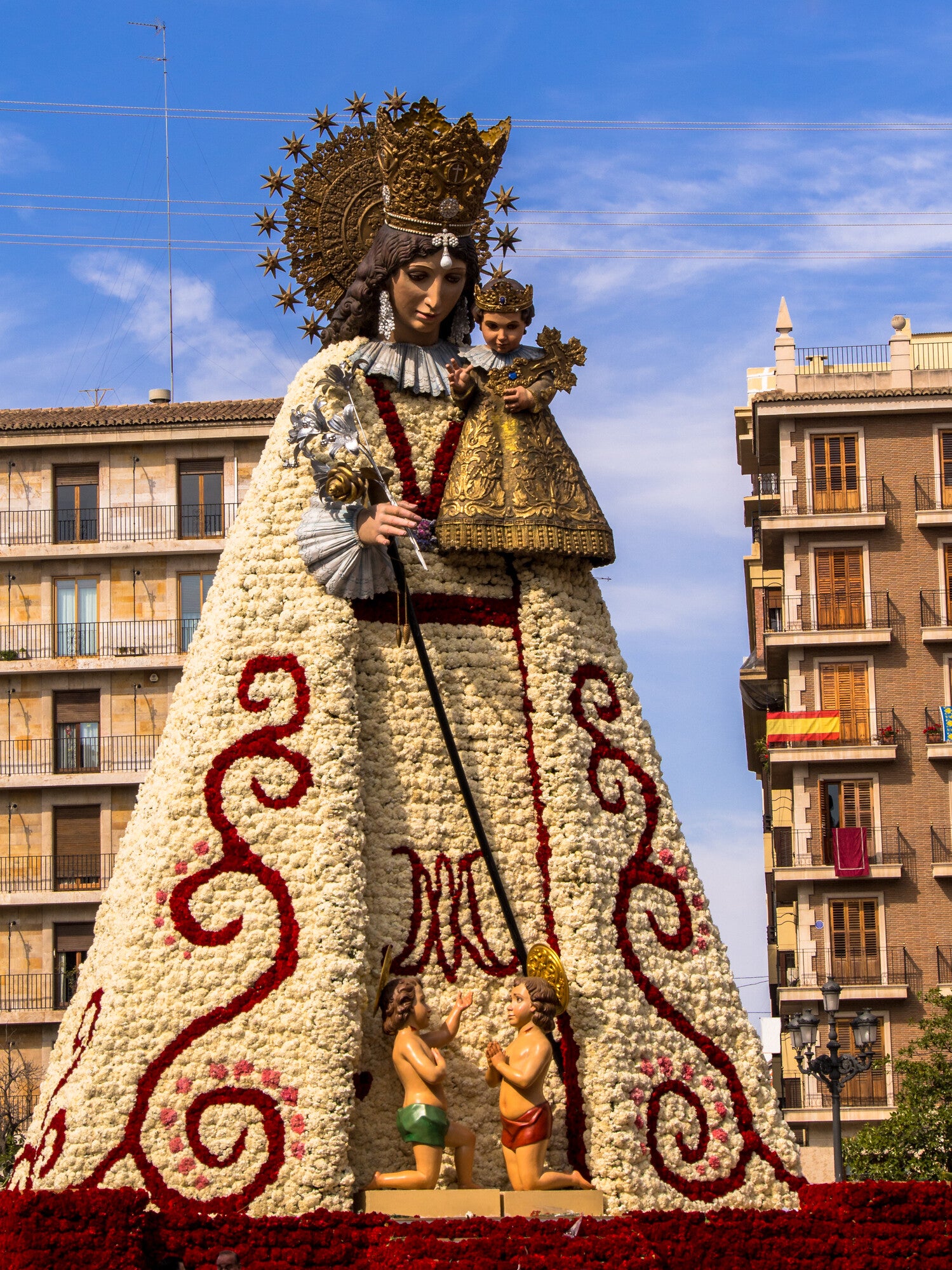
Was this statue (above) of Our Lady made by angels?
The Virgin of the Forsaken (Virgen de los Desamparados or La Geperudeta) is the patron saint of Valencia, Spain, representing the Virgin Mary as the protector of the homeless and mentally ill. She is venerated in a 17th-century basilica on Plaza de la Virgen in Valencia, with her major festival held on the second Sunday of May.
Key Details About the Virgin of the Forsaken And Her Statue.
Affectionate Nickname: She (as her statue) is known locally as La Geperudeta ("the little hunchback") due to the slight forward tilt of her head.
Iconography: The statue features the Virgin holding a lily in one hand and the baby Jesus bearing a cross in the other.
Legend: According to legend, the statue was constructed by three pilgrims (angels in disguise) in four days, after which they vanished.
Origin: She was originally adopted as the patron of a 15th-century hospital and chapel devoted to the poor and mentally ill, according to from Christian Iconography.
Veneration: She was canonically crowned in 1923 and is deeply beloved by Valencians.
Key Locations & Events.
Basilica of the Virgin of the Forsaken: Located in Valencia, this Baroque-style church is near the Cathedral and is a central point for devotion.
Festival: The main feast day is celebrated on the second Sunday in May with events like the Traslado (transfer of the statue) and Missa de Descoberta.
The Legend Of The Statue
The Legend goes, that in the 15th century, 3 young men dressed as pilgrims arrived at a Valencian hospital. The hospital looked after the mentally ill (hence "the forsaken"). A friar who greeted the pilgrims had a blind wife. The men offered to build an image of the Virgin in exchange for food and shelter and stayed in a room for four days. Not hearing a sound, the friars broke the door in and saw that the image of the Virgin had been constructed and the men vanished. At the same moment the woman's blindness was cured. Since then it is believed that the three men were angels, and various Spanish artists who were inspired by the image commented on the supernatural element in the statue.
The Knights Templar And The City Of Valencia
The Knights Templar played a critical role in the 13th-century Reconquista of Valencia, supporting James I of Aragon by providing military strength and financial resources. They were key in the 1238 conquest, after which they were rewarded with extensive estates, including the strategic Peñíscola Castle. Their influence survives in sites like Valencia’s El Templo church.
Key Templar Connections to Valencia.
The Conquest (1233-1238):
Templars were active in the siege of Burriana and the final, successful siege of Valencia city, aiding King James I in expanding the Aragonese kingdom.
Strategic Fortresses:
The Templars were granted control of vital sites to protect the new territory, most notably the castle at Peñíscola.
The Order's End:
Unlike in France, Templars in Aragon and Valencia were found innocent of heresy charges during their dissolution in the early 14th century, though their assets were ultimately transferred to the newly created Order of Montesa.