Beyond The Ordinary
Li
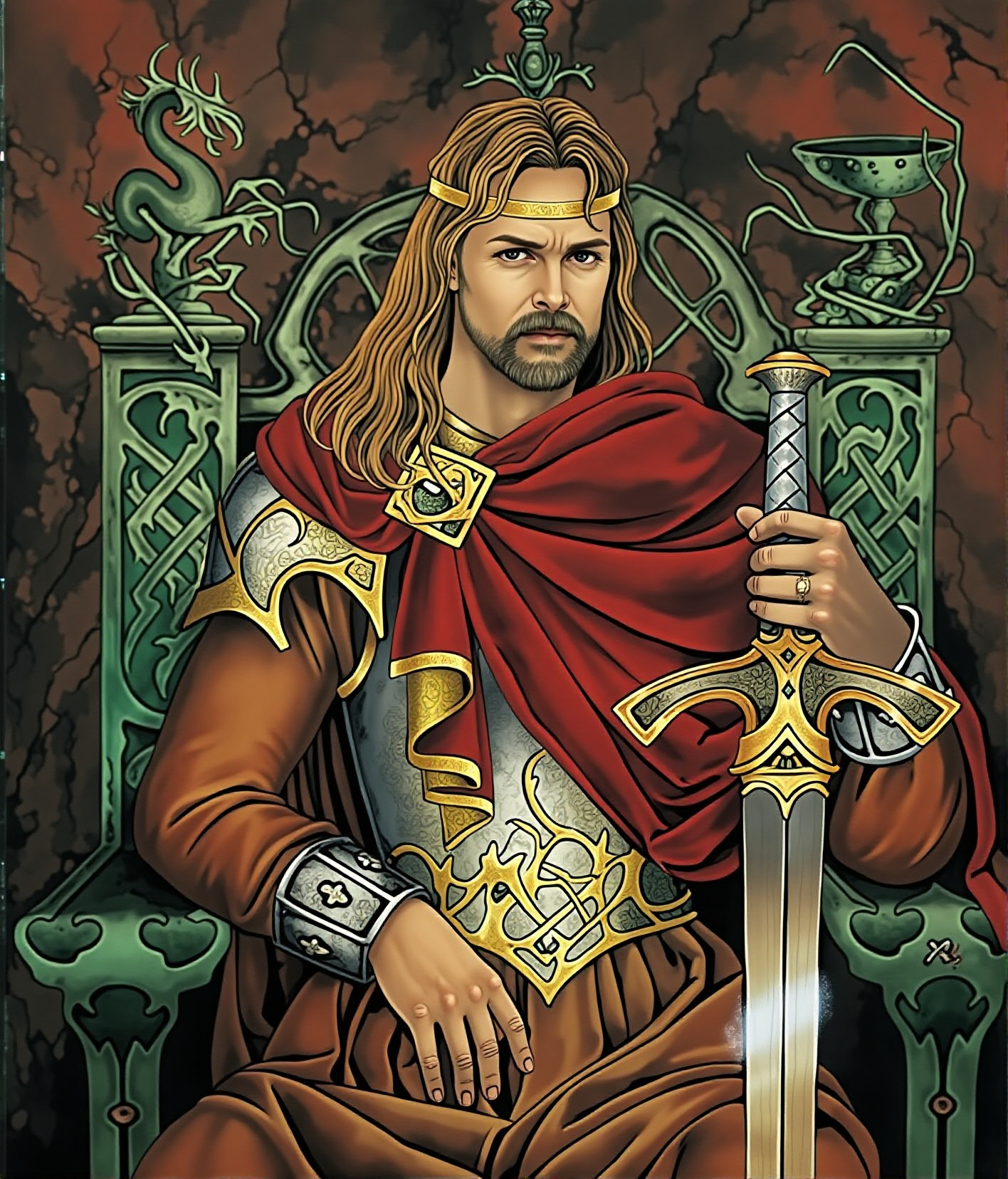
Atreus (aka Atreas)
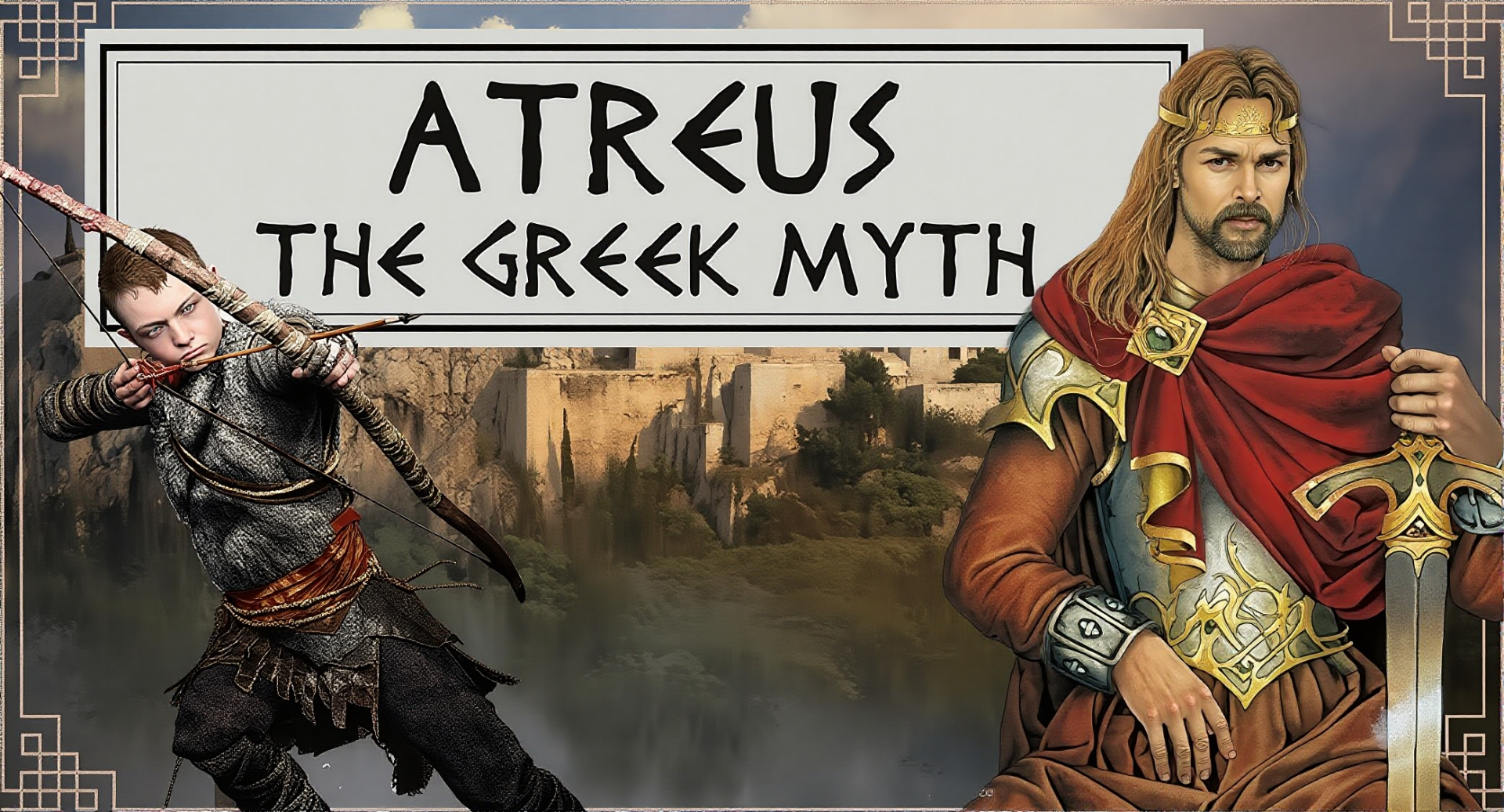
In Greek mythology, Atreus was The King Of Mycenae, known for a brutal family curse, intense rivalry with his brother Thyestes, and for being the father of Agamemnon and Menelaus. His story is marked by severe acts of vengeance, including killing his nephews and serving them to his brother, which contributed to his cursed legacy.
Key Aspects of King Atreus.
Lineage and Family: He was the son of Pelops and Hippodamia, and grandson of the cursed Tantalus. He was the father of Agamemnon and Menelaus by his wife Aerope. His descendants are often called the Atreidae.
Conflict with Thyestes: Atreus and his brother Thyestes murdered their half-brother, Chrysippus, forcing them to flee to Mycenae. The brothers fought over the throne, with Thyestes stealing the throne by seducing Atreus’s wife, Aerope, and taking a sacred golden lamb.
The Gruesome Revenge: After being restored to the throne, Atreus discovered the affair and took vengeance by killing Thyestes' children and serving them to him at a banquet.
The Curse and Demise: The house was cursed, with a lineage full of murder, adultery, and betrayal. Ultimately, Atreus was killed by Aegisthus, the son of Thyestes.
The Treasury of Atreus: A significant, well-preserved tholos (beehive) tomb at Mycenae is popularly known as the "Treasury of Atreus" or "Tomb of Agamemnon," though its exact occupant is unknown.
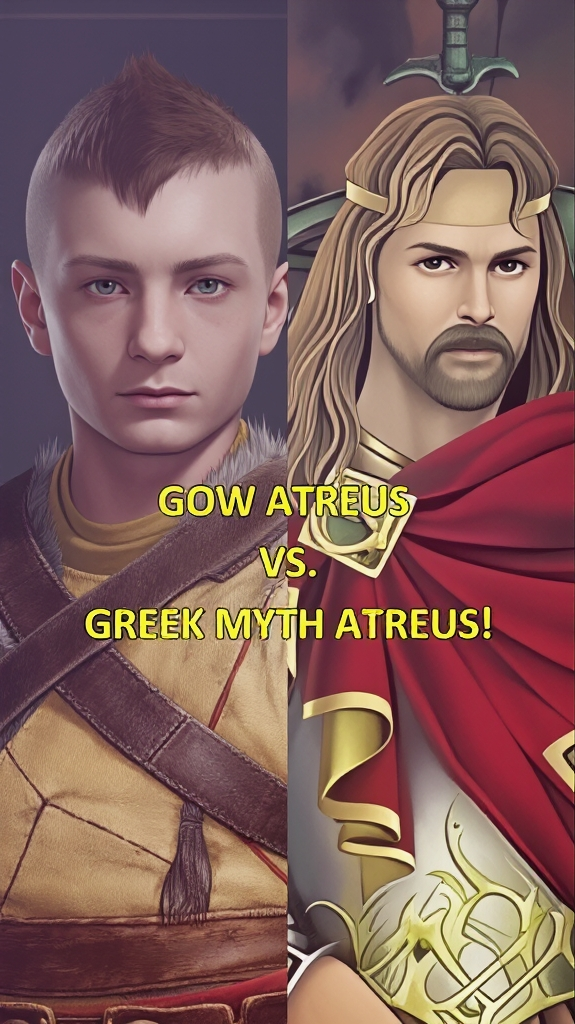
In the God of War video game series, Atreus is also the name of Kratos's son, inspired by a different mythological story of a noble Spartan.
More on The Curse
The Curse of the House of Atreus is one of the most famous and bloodiest lineages in Greek mythology. It is a multi-generational cycle of "miasma" (pollution), where the crimes of one ancestor—including cannibalism, incest, and murder—are paid for by the next.
The Origin: Tantalus
The curse began when Tantalus, a son of Zeus, was invited to dine with the gods. To test their omniscience, he murdered his son, Pelops, and served him to the gods in a stew.
• Punishment: Tantalus was condemned to eternal hunger and thirst in Tartarus, where food and water always receded when he reached for them (the origin of the word "tantalize").
• Resurrection: The gods restored Pelops to life, though they had to replace his shoulder (eaten by a distracted Demeter) with one made of ivory.
The Namesake: Atreus vs. Thyestes
Pelops later had two sons, Atreus and Thyestes, who engaged in a horrific rivalry for the throne of Mycenae:
• The Adultery: Thyestes seduced Atreus's wife and stole a golden ram to claim the crown.
• The Revenge: After regaining the throne, Atreus invited Thyestes to a "reconciliation" banquet. He murdered Thyestes's sons and served their flesh to their father.
• The New Curse: Upon realizing what he had eaten, Thyestes cursed Atreus and his entire bloodline.
The Trojan War Generation
The curse plagued Atreus's sons, Agamemnon and Menelaus:
• The Sacrifice: To sail for Troy, Agamemnon was forced to sacrifice his daughter, Iphigenia, to the goddess Artemis.
• The Murder: When Agamemnon returned home ten years later, his wife Clytemnestra—and her lover Aegisthus (the last son of Thyestes)—murdered him in his bath to avenge Iphigenia.
The Resolution: Orestes
The cycle finally ended with Agamemnon’s son, Orestes.
• The Final Act: Goaded by his sister Electra, Orestes killed his mother and Aegisthus to avenge his father.
• The Trial: For the crime of matricide, he was hounded by the Furies (goddesses of vengeance). Eventually, the goddess Athena presided over a formal trial in Athens and acquitted him, breaking the hereditary curse.
The Oresteia Trilogy
Aeschylus explored the curse of The House Of Atreus in The Oresteia (Trilogy), the only complete trilogy of ancient Greek plays that has survived today.
🔹️ Performed in 458 BC, the trilogy
traces the transition from a primitive cycle of blood revenge to a civilized system of public justice.
The Three Plays.
🔹️ Agamemnon:
▪️ King Agamemnon returns home
from the Trojan War and is murdered by his wife, Clytemnestra, and her lover, Aegisthus. She justifies the act as revenge for Agamemnon's earlier sacrifice of their daughter, Iphigenia.
🔹️ The Libation Bearers (Choephoroi):
▪️ Years later, Agamemnon's son
Orestes returns to Argos. Following an order from the god Apollo, he reluctantly kills both his mother and Aegisthus to avenge his father. Immediately after, he is hounded by the Furies, ancient spirits of vengeance.
🔹️ The Eumenides:
▪️ Orestes seeks sanctuary at the
temple of Apollo before traveling to Athens. There, the goddess Athena establishes a jury trial to judge his crime. When the jury splits, Athena casts the deciding vote for his acquittal, officially breaking the family curse.
🔹️ Aeschylus ends the trilogy with the
transformation of the Furies into the Eumenides ("The Kindly Ones"), who become protectors of Athenian law rather than agents of personal vendetta.
Beyond The Ordinary
Li
Beyond The Ordinary
Who is GOW Atreas in The God Of War Game Series?
He is the son of Kratos and the late giantess Laufey. Atreus grew up in Midgard ignorant of his true identity until he learned about his godly nature, as well as his Jötunn heritage following a journey to spread his mother's ashes on the highest peak in The Nine Realms.
Atreus is the Norse God of Mischief, also known as Loki, and the Champion of the Jötnar (Giants). As the son of Kratos (Greek) and Faye (Norse Giant), he is a unique mix of god, giant, and mortal, functioning as a key figure in triggering Ragnarök.
More On GOW Atreas
In the God of War series, Atreus is the son of the series protagonist, Kratos, and the late Giantess, Laufey (Faye). He is a central figure in the Norse era of the franchise, serving as the deuteragonist in God of War (2018) and a co-protagonist in God of War Ragnarök.
Key Identity And Heritage.
Atreus is a hybrid of three different races: half-Giant (from his mother), one-quarter God (Greek descent from Kratos), and one-quarter mortal.
• The Loki Twist: Toward the end of the 2018 game, it is revealed that his mother intended to name him Loki, confirming that Atreus is the God of War universe's version of the Norse God of Mischief.
• Meaning of "Atreus": Kratos chose the name Atreus to honour a compassionate Spartan comrade who fought with a smile even in the darkest times.
Abilities and Role
Throughout the games, Atreus grows from a young, sickly boy into a capable warrior and leader:
• Archery: He is an expert marksman with his Talon Bow, which can fire various magical arrows (Light, Shock, Sonic, and Sigil).
• Linguistics: He has an innate ability to understand and translate various ancient languages and can even communicate with animals and mythical creatures like the World Serpent.
• Shapeshifting: Inheriting the "Spartan Rage" from Kratos, Atreus's version manifests as the ability to transform into animals, specifically a wolf and a bear.
• Narrative Journey: Initially, he and Kratos travel to the highest peak in the realms to spread Faye's ashes. By the end of Ragnarök, he strikes out on his own journey to find the remaining Giants scattered across the realms.
Atreus is voiced and portrayed through motion capture by actor Sunny Suljic. .
Beyond The Ordinary
Li