Beyond the ordinary
Li
Beyond the ordinary
Discordance And Today's Material.
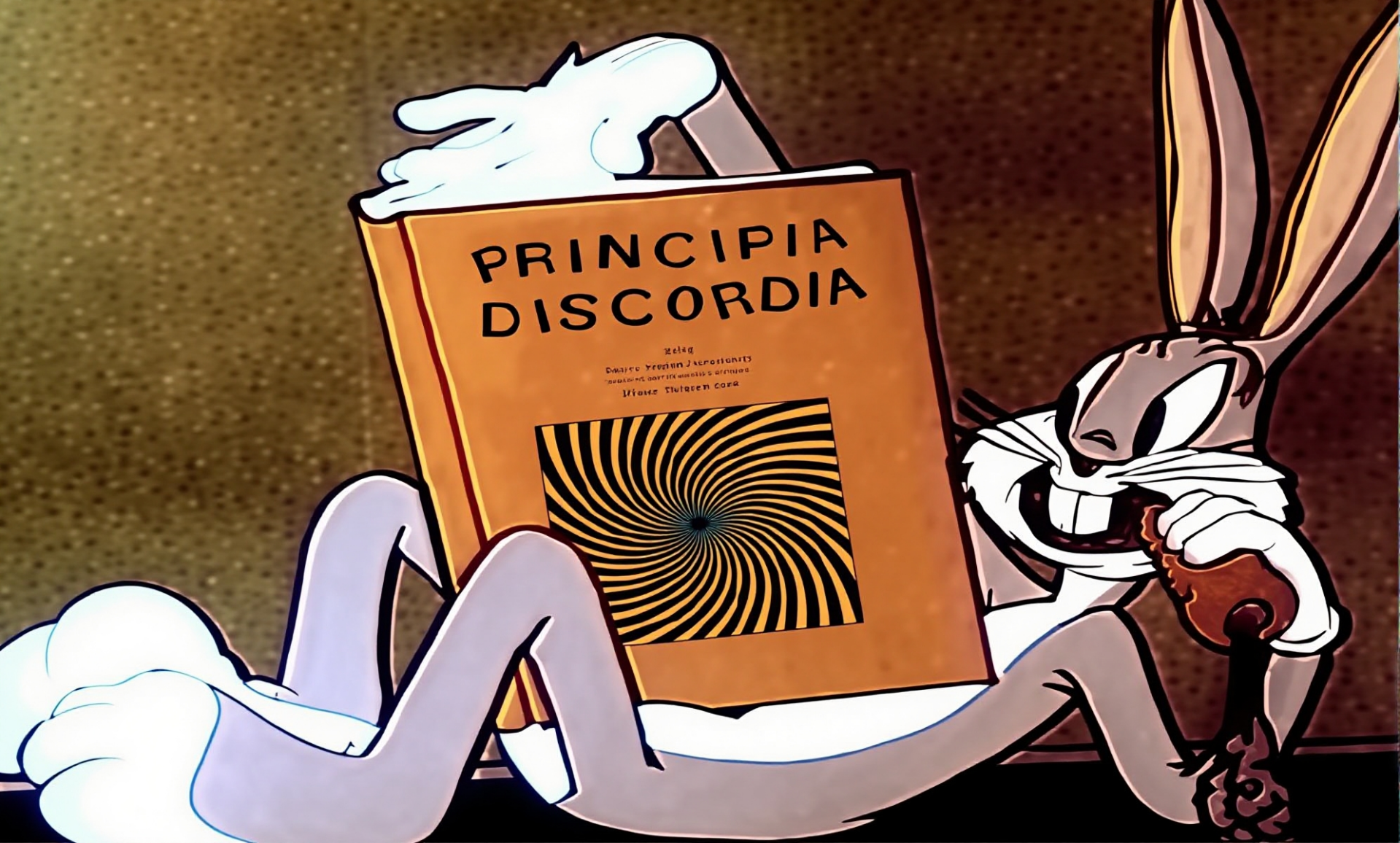
The image depicts Bugs Bunny reading a book titled Principia Discordia. The book is the sacred text of Discordianism, a satirical religion founded in the late 1950s by Greg Hill (Malaclypse the Younger) and Kerry Thornley (Omar Khayyam Ravenhurst).
The title, reminiscent of Principia Mathematica by Isaac Newton [👀🔻1👇], is meant to convey Discordant Principles or Principles of Discordance.
Discordianism centers around the veneration of Eris, the Greek goddess of discord, and challenges conventional views of reality by highlighting the subjective nature of order and disorder. The book itself is a blend of typewritten and handwritten text, interspersed with clip art, stamps, and seals, reflecting its unconventional and humorous nature.
More on PD {⚠️ might include Taughtology [from above👆 (and possibly below👇)]}.
The Principia Discordia is the first published Discordian religious text. It was written by Greg Hill (Malaclypse the Younger) with Kerry Wendell Thornley (Lord Omar Khayyam Ravenhurst) and others. The first edition [PD1] was printed using Jim Garrison's Xerox printer in 1963ᐊ (The year I was born. Along with the book ꜍T꜉🅗꜍E꜉ ꜍M꜉🅞꜍O꜉🅝 🅞꜍F꜉ ꜍G꜉🅞꜍M꜉🅡꜍A꜉🅣꜍H꜉ [👁later in this entry] PD1 is as old as I am.). The second edition was published under the title Principia Discordia or How The West Was Lost in a limited edition of five copies in 1965. The phrase Principia Discordia, reminiscent of Isaac Newton's 1687 Principia Mathematica, is presumably intended to mean Discordant Principles, or Principles of Discordance.
The Principia describes the Discordian Society and its Goddess Eris, as well as the basics of the POEE denomination of Discordianism. It features typewritten and handwritten text intermixed with clip art, stamps, and seals appropriated from other sources. It is quoted extensively in and forms the basis for several themes within the satirical 1975 science fiction book The Illuminatus! Trilogy by Robert Shea and Robert Anton Wilson.
Notable symbols in the book include The Apple of Discord, The Pentagon, and The Sacred Chao, which resembles the Taijitu of Taoism, but the two principles depicted are Hodge And Podge rather than yin and yang, and they are represented by the apple and the pentagon, and not by dots. Saints identified include Emperor Norton, Yossarian, Don Quixote, and Bokonon. The Principia also introduces the mysterious word 'fnord', later popularised in The Illuminatus! Trilogy; the trilogy itself is mentioned in the afterword to the Loompanics edition, and in the various introductions to the fifth editions.
An Overview Of My Copy Of PD (Possibly Includes More Taughtology).
2023 Reprint of an undated U.S. Edition.
Full facsimile of the original edition and not reproduced with Optical Recognition Software. The Principia Discordia is the first published Discordian religious text. It was written by Greg Hill (Malaclypse the Younger) with Kerry Wendell Thornley (Lord Omar Khayyam Ravenhurst) and others. The first edition was printed allegedly using Jim Garrison's Xerox printer in 1963. The second edition was published under the title Principia Discordia or How The West Was Lost in a limited edition of five copies in 1965. The phrase Principia Discordia, reminiscent of Isaac Newton's 1687 Principia Mathematica, is presumably intended to mean Discordant Principles, or Principles of Discordance.
The Principia describes the Discordian Society and its Goddess Eris, as well as the basics of the POEE denomination of Discordianism. It features typewritten and handwritten text intermixed with clip art, stamps, and seals appropriated from other sources. While the Principia is full of literal contradictions and unusual humor, it contains several passages which propose that there is serious intent behind the work, for example a message scrawled on page 00075: "If you think the PRINCIPIA is just a ha-ha, then go read it again."
The POEE Denomination Of The Discordian Society.
The Paratheo-Anametamystikhood of Eris Esoteric (POEE) is a specific denomination within Discordianism. It is a non-profit, irreligious disorganization founded by Malaclypse the Younger and Omar Khayyam Ravenhurst. The POEE structure includes five degrees: Legionnaire Disciple, Legionnaire Deacon, Priest/Priestess or Chaplain, High Priest (Polyfather), and POEE Pope.
Here's A More Detailed Breakdown Of 𐅫 POEE.
POEE stands for Paratheo-Anametamystikhood of Eris Esoteric.
Paratheo:
can be interpreted as 'equivalent deity' or 'resembling God'.
Ana:
can mean 'backwards' or 'against'.
Mystik:
refers to hidden spirituality or religious mysteries.
Eris:
is the Discordian goddess of chaos and discord.
Esoteric:
Implies that the concepts are difficult to understand or find.
Principia Discordia is the foundational text of Discordianism and outlines the POEE structure.
Degrees within POEE.
The structure includes five degrees, with each level having specific roles and responsibilities within the organisation.
Legionnaire Disciple:
The starting point for members.
Legionnaire Deacon:
A level above the disciple, indicating someone who is 'catching on'.
Priest/Priestess or Chaplain:
Ordained individuals who have progressed further in the POEE structure.
High Priest (Polyfather):
A higher-ranking position within the POEE.
POEE Pope:
The highest rank within the POEE structure.
Episkopos:
Overseers of specific Discordian sects who are said to communicate with Eris through their pineal gland.
Beyond The Ordinary
Li
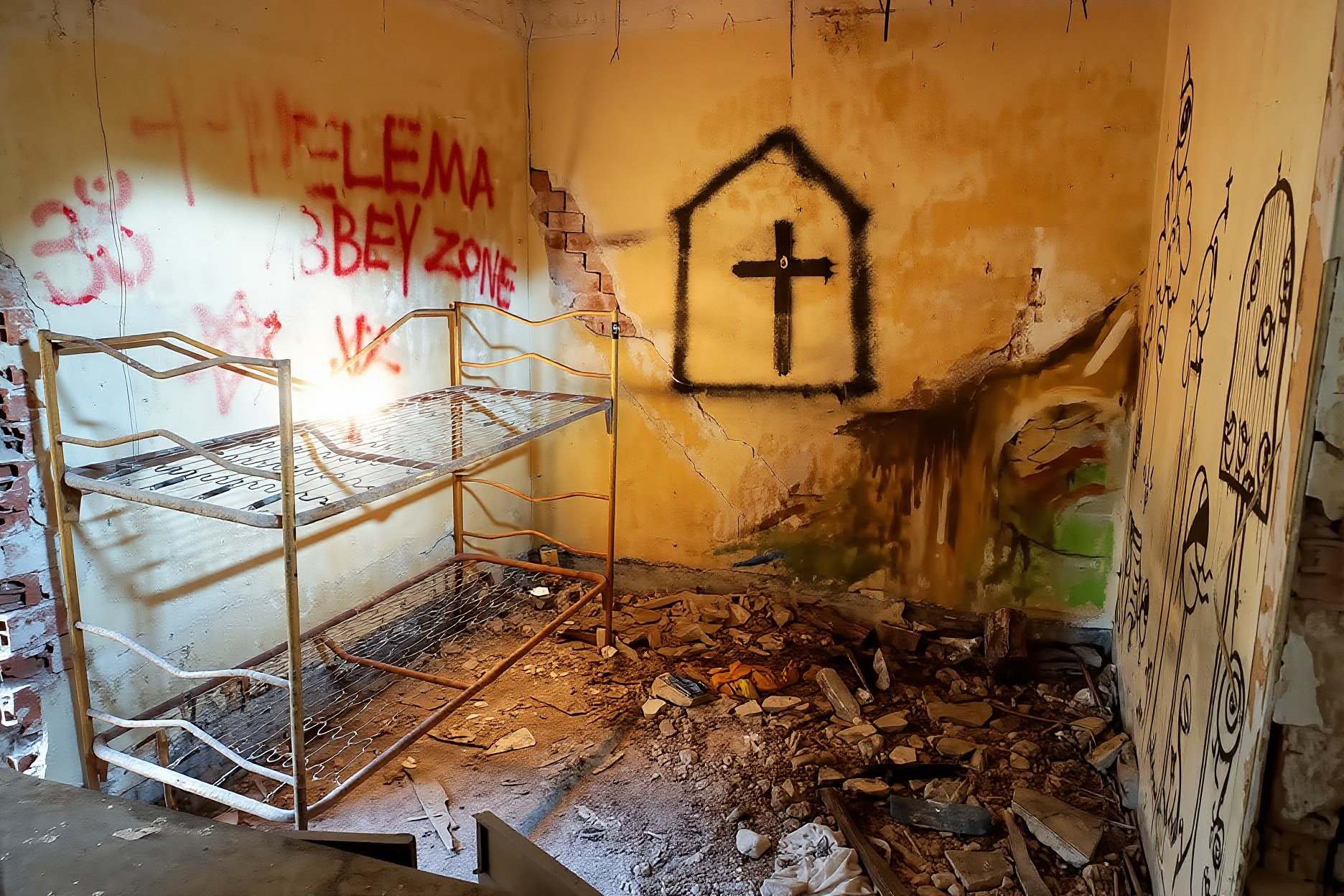
The above is a photograph of the interior of The ruined Abbey of Thelema in Cefalù, Sicily.The villa was established in 1920 by British occultist Aleister Crowley as a spiritual commune for practicing his philosophy, Thelema, based on the principle 'Do what thou wilt shall be the whole of the Law'.The structure served as a temple for rituals and was abandoned in 1923 after the death of a follower and subsequent controversy. While Crowley originally covered the walls with murals, the house is now mostly in ruins and heavily vandalized with modern graffiti, as seen in the image.
State of Ruin.
The building is currently a derelict ruin frequently visited by urban explorers and those interested in spooky history.Graffiti: While Crowley originally covered the interior walls with elaborate frescoes, much of what is visible today—like the red "THELEMA ABBEY ZONE" lettering—is modern graffiti left by visitors.Symbols: The room contains various symbols including the Om symbol on the left and a large black cross in the center, reflecting the site's continued status as a destination for diverse esoteric interests.
Beyond The Ordinary
Li
Beyond the ordinary
This is where our journey begins. Get to know our business and what we do, and how we're committed to quality and great service. Join us as we grow and succeed together. We're glad you're here to be a part of our story.
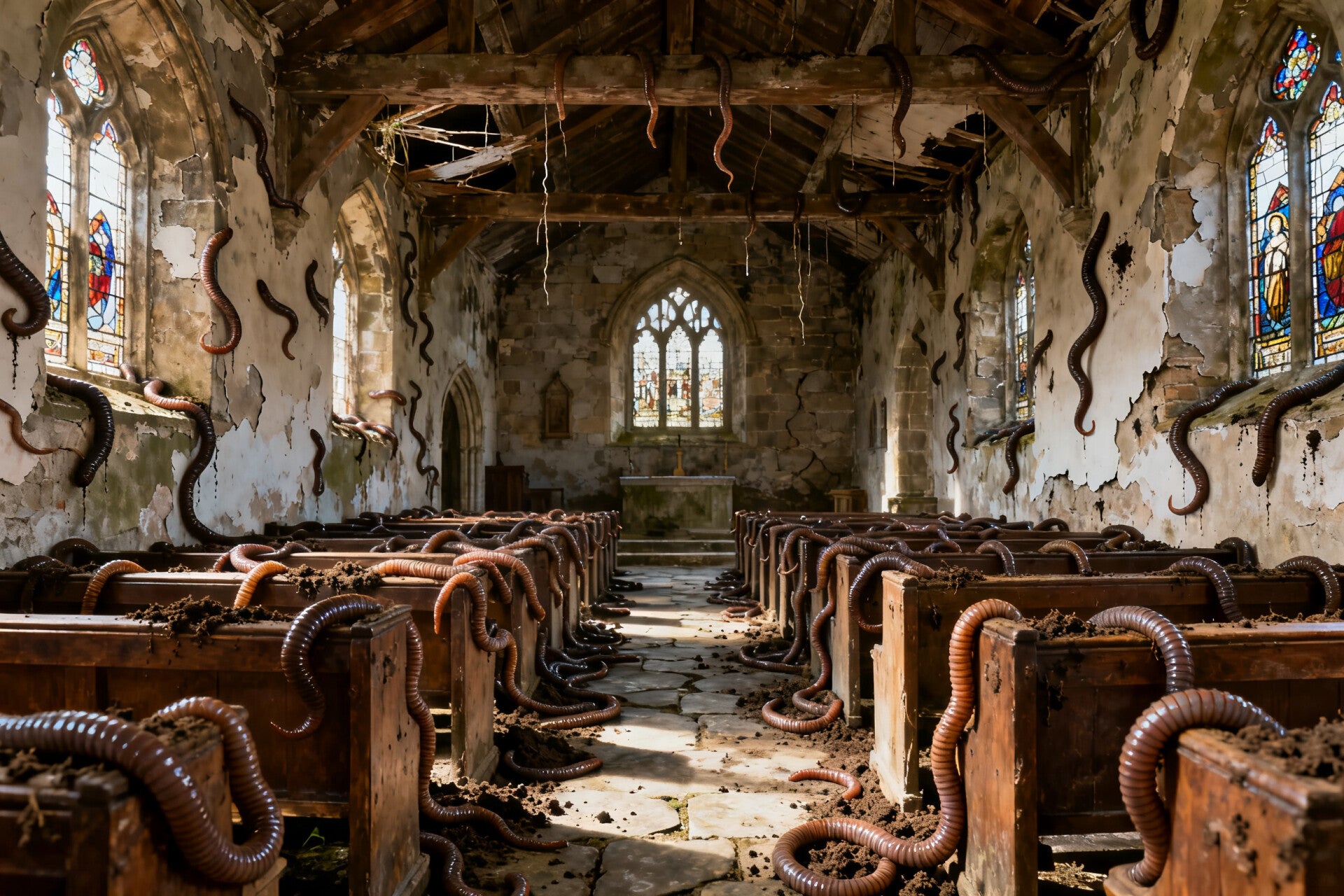
The Church Of 𐅫 Symmer Worms
The word Symmer is cognate with Sinner and is used of symbiotic worm entities who practice Sym as a form of (heavenly) Sin.
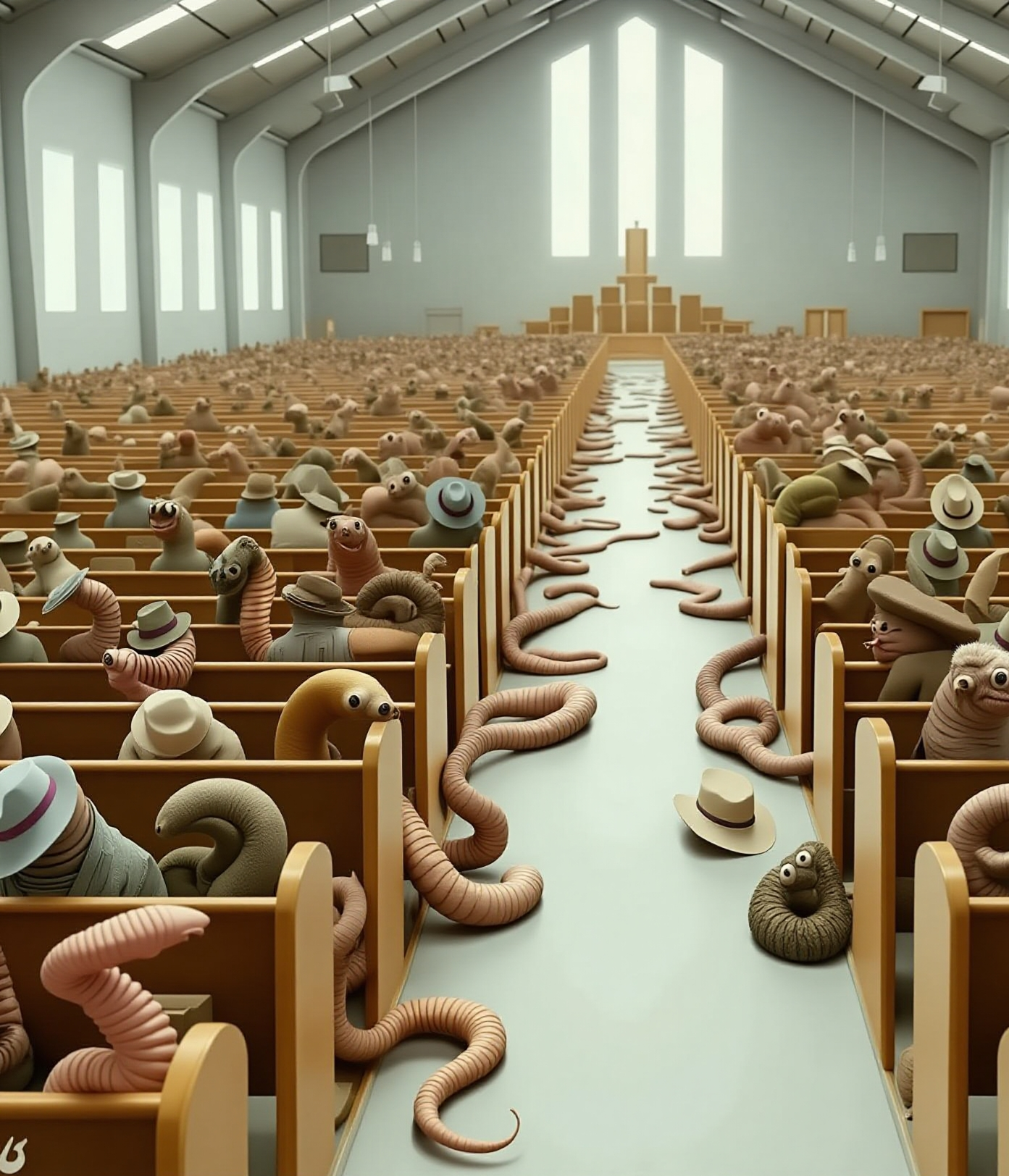
The Zead Worms Have Their Own Version Of The Church
City of Heavenly Sin is a lyrical phrase from the song Gates of Babylon by the rock band Rainbow, featured on their 1978 album Long Live Rock 'n' Roll.
Meaning:
The song, written by Ritchie Blackmore and Ronnie James Dio, uses the phrase to describe a mythical, decadent city (referencing ancient Babylon) that represents a 'heavenly sin' or a forbidden paradise that tempts people, leading them to 'sleep with the devil'.
Theme:
The lyrics evoke themes of oriental mysticism, temptation, and the inevitable price paid for hedonistic pleasure, with imagery of Black Gates Of Babylon.
Context:
It is widely considered a centerpiece of the album, showcasing a heavy, symphonic rock sound.
Covers:
The song has been covered by other artists, including the neoclassical metal band Lost Symphony.
Contains the line: And The Worms Ate Into His Brain.
Beyond The Ordinary
Li
Sanctum Sanctorum
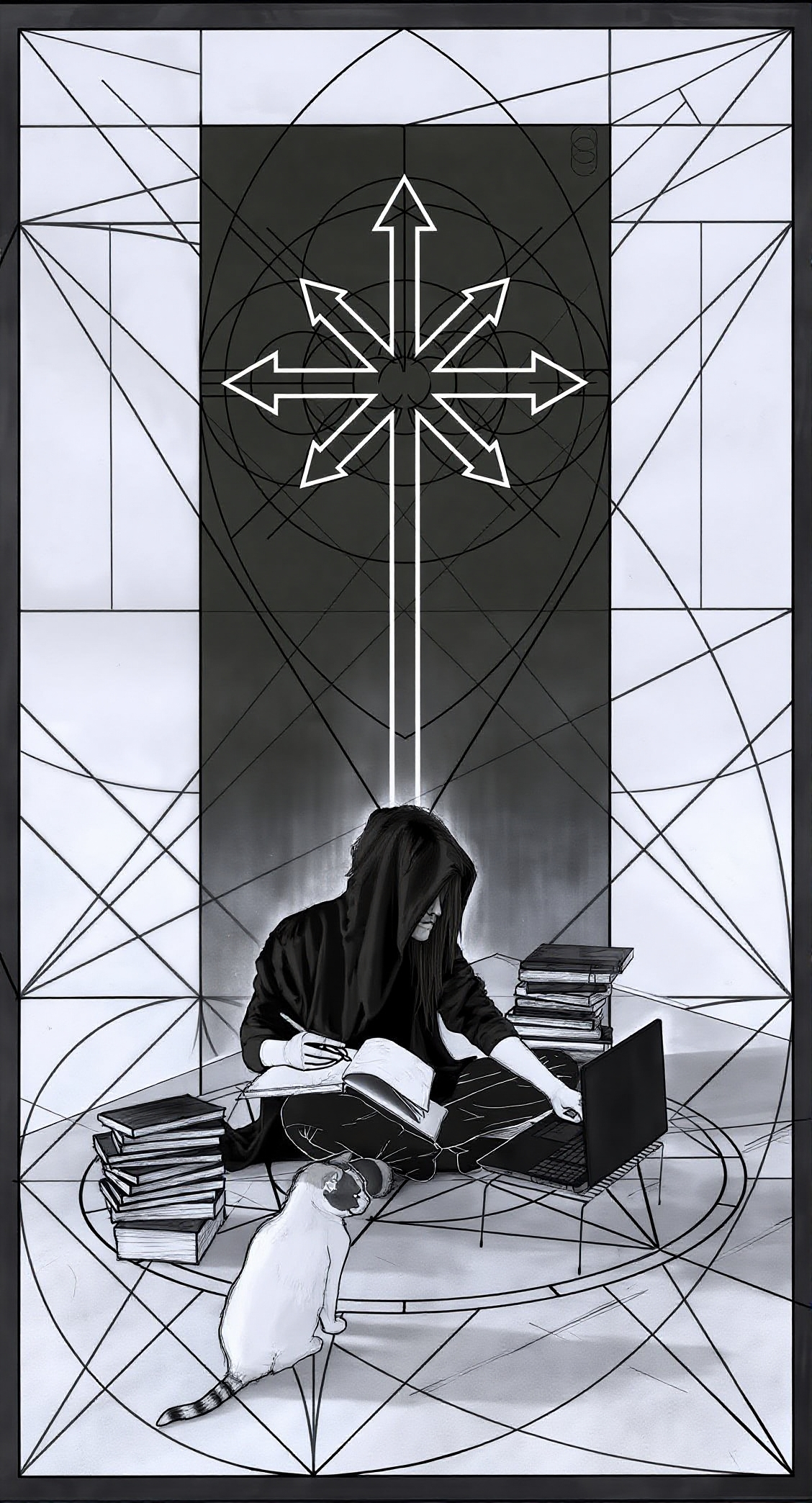
The Sanctum Sanctorum is the fictional New York City residence and headquarters of Marvel's Doctor Strange, located at 177A Bleecker Street in Greenwich Village. Created by Stan Lee and Steve Ditko, it first appeared in Strange Tales #110 in 1963 and serves as a focal point for mystical energy, housing dangerous magical artifacts and acting as a barrier against supernatural threats.
Key Details About the Sanctum Sanctorum.