Beyond The Ordinary
I'm not Isa
In response to the claim, 'My name is Legion, for we are many.', I might say, 'My name is MAN.'
With a syncretic quasi-belief system such as Qu, every character in the game can be thought of as a many-one chimera of characters. Every character is taken as primarily metaphorical and then worked real within an appropriate context as best possible and required using the attributes, qualities and characteristics etc. of one or more characters of the chimera. For example, I can be a combination of more than one character - a many (eg. Moses and Noah) - while simultaneously being the single character MAN - a one.
MAN here means Moses And Noah.
WOMAN can be taken to mean Wife Of MAN.
The Jupiter Number
Some Trivial Results
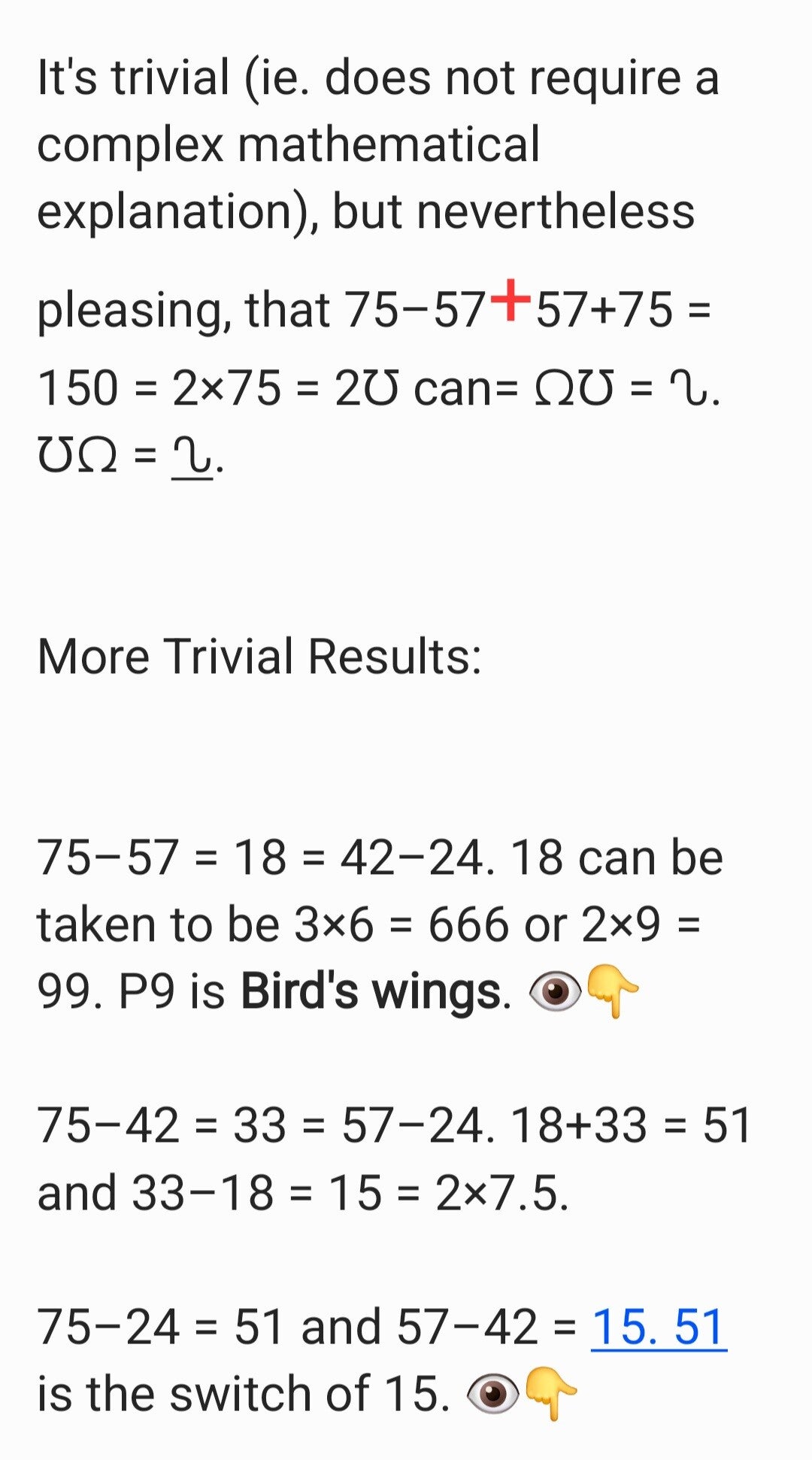
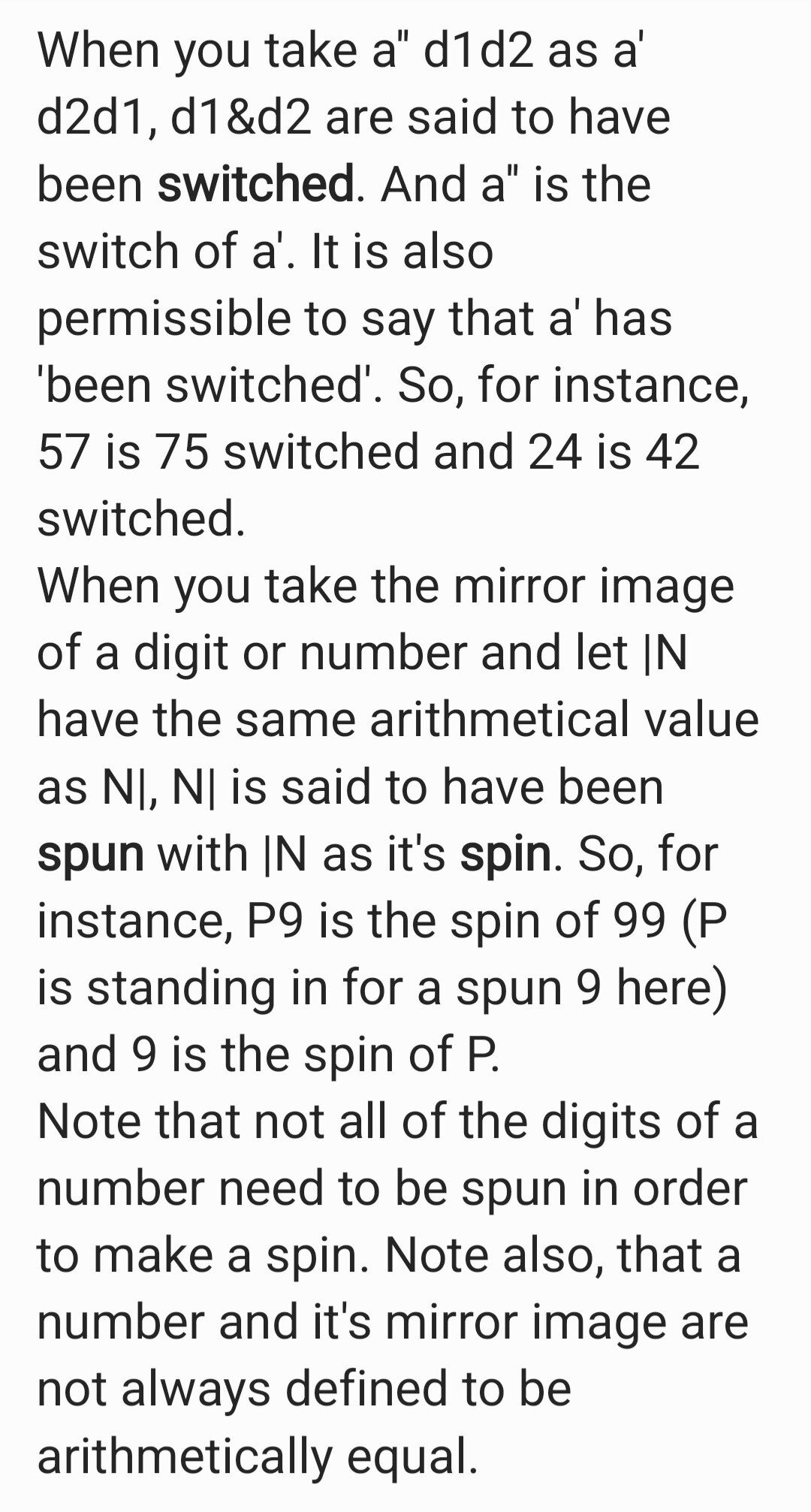
In the preceding video above, the presenter uses the two numbers 33 and 42. The important fact to note here is that 33+42 = 75. And, 33+24 (switch 42) = 57 (switch 75).
P9
Beyond The Ordinary
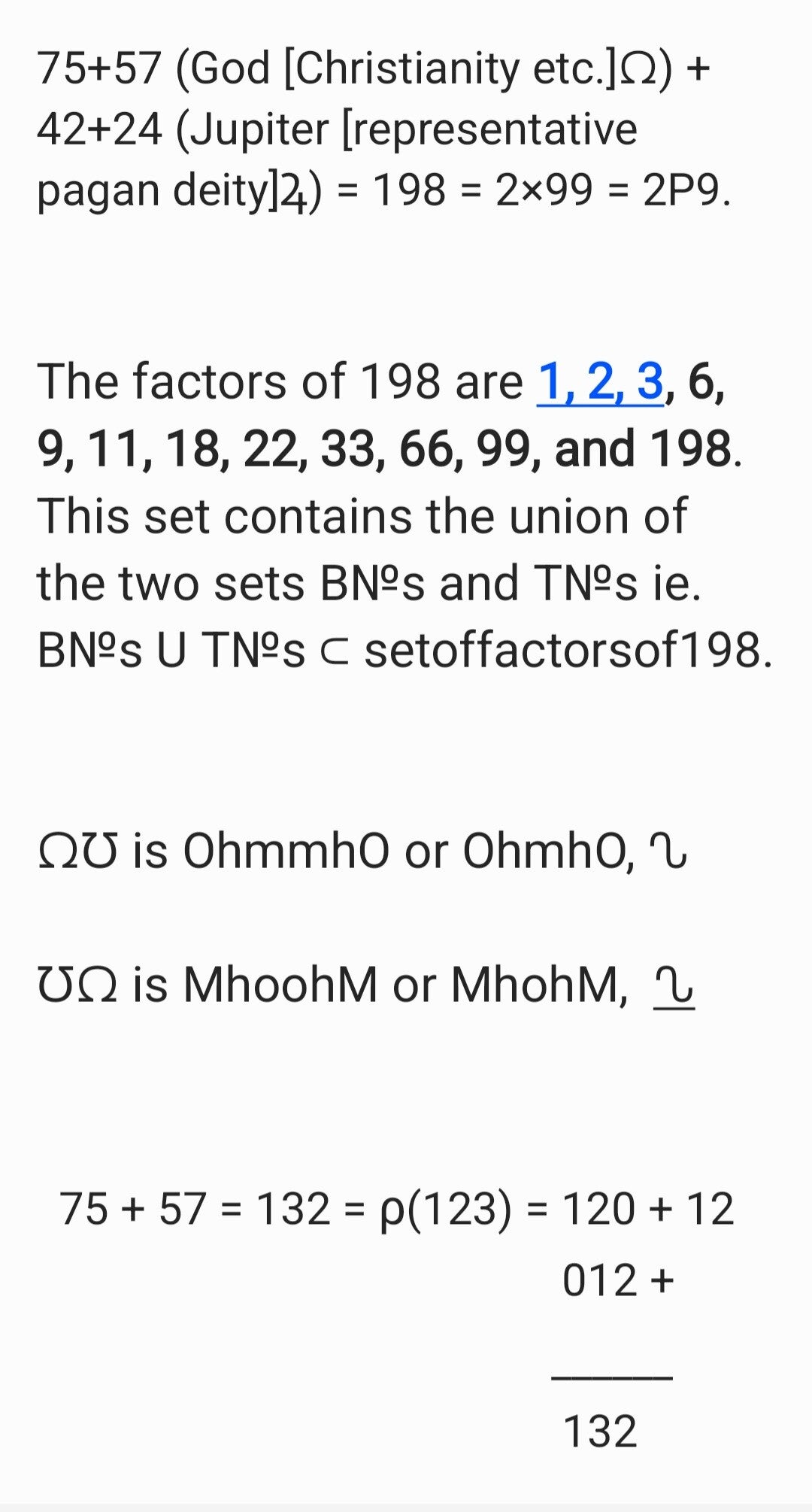
And 2×42 + 24×2 = 132.
Beyond The Ordinary
T
Beyond the ordinary
Beyond The Ordinary
The adjective primal describes something fundamental, instinctive, or related to the earliest origins of life. Deriving from the Latin word primus (first), the term usually refers to deep, essential behaviors (like a primal urge to survive) or ancient, prehistoric periods (like a primal forest 👁 HOME: Something Is Watching).
Common Uses And Meanings.
Instinctual or Raw:
Describes basic, powerful emotions or behaviors deeply rooted in human nature that act similarly to animal instincts.
Example:
A 'primal fear of the dark' or a 'primal urge to protect family'.
Original or Prehistoric:
Refers to the earliest stages of evolution or the beginning of time.
Example:
'Primal hunter-gatherer societies' or a 'primal inferno' marking the start of the universe.
Primary or Fundamental:
First in importance, rank, or essential quality.
Example:
Water is considered a 'primal element' for survival.
If you are thinking about the mathematical prime numbers (like 2, 3, 5, 7), they are not called primal—they are prime. In mathematics, primal usually describes algorithms or properties related to optimisation (like a primal problem vs. a dual problem), not numbers.
The Connection.
Both words share the exact same Latin root (primus, meaning 'first'), making them linguistic cousins.
OTCIs And Primal Distribution
An ordered triple of contiguous intergers (OTCI) is a set of three integers of the form (x, x+1 and x+2), taken in increasing or decreasing order. An OTCI can also be taken as (x-1, x, x+1). One of the most important applications of OTCIs involves prime numbers.
It is known that, every prime number greater than 3 belongs to an OTCI of the form (6n–1, 6n and 6n+1), where n is a positive integer. To be specific, any given prime number p is either 6n-1 or 6n+1 for some number n. For example, 7 is (6×1)+1 and 11 is (6×2)–1.
From the above we see that, numbers that are often thought to grow among the integers like weeds, can be shown to exhibit a surprising order. The numbers of the set bn{b: b = 6n} are binding (or pinning) numbers that exhibit a significant amount of control concerning where prime numbers can appear on the real number line – and where they cannot. The set bn and the expression p = 6n±1 both contain an antidote to mathematical chaos.
The Tesla №s And Other OTCIs
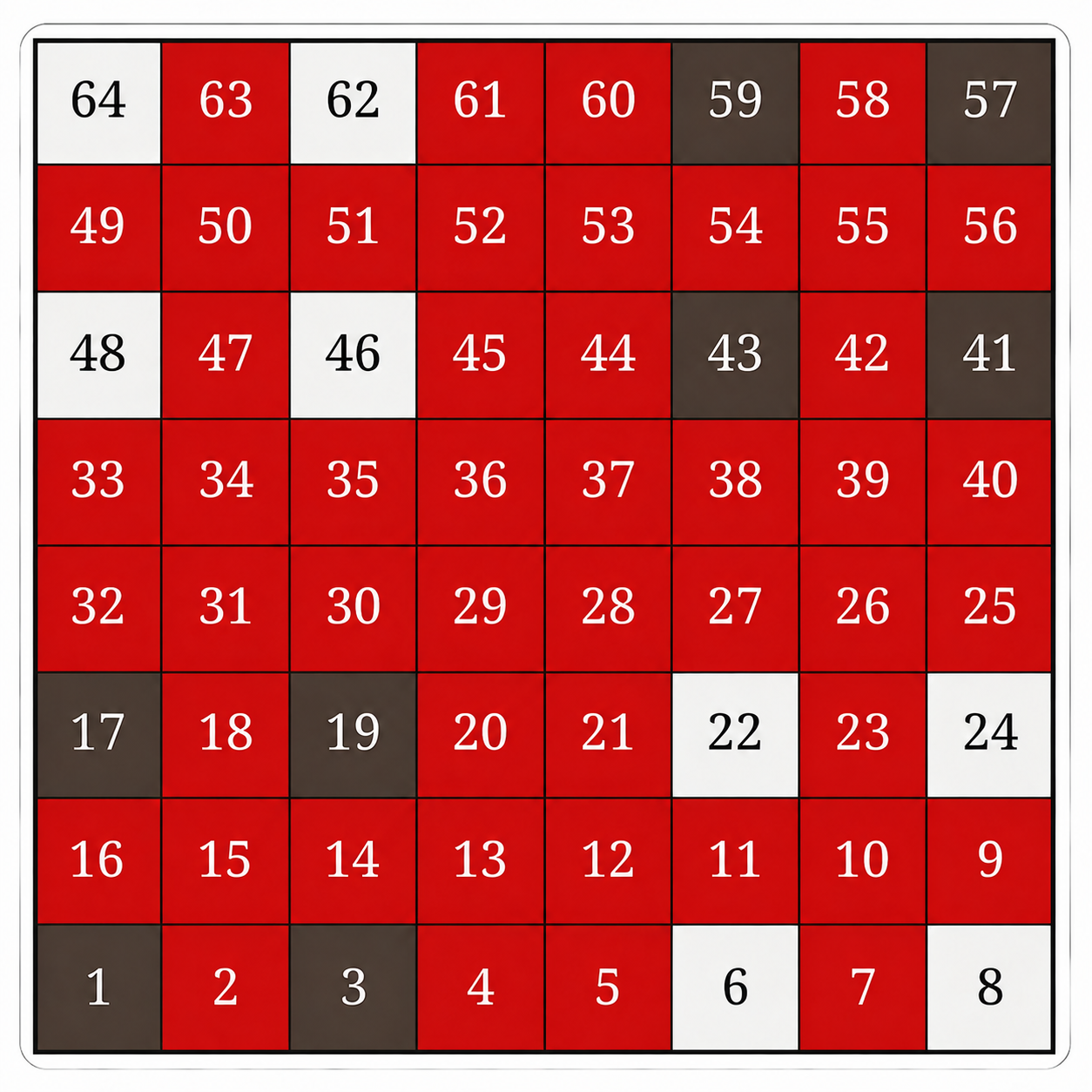
The following grid is associated with the question: Is there any truth in the statement - attributed by some to Nicola Tesla - that the numbers 3, 6 and 9 can be used to extract The Secret Of The Universe?
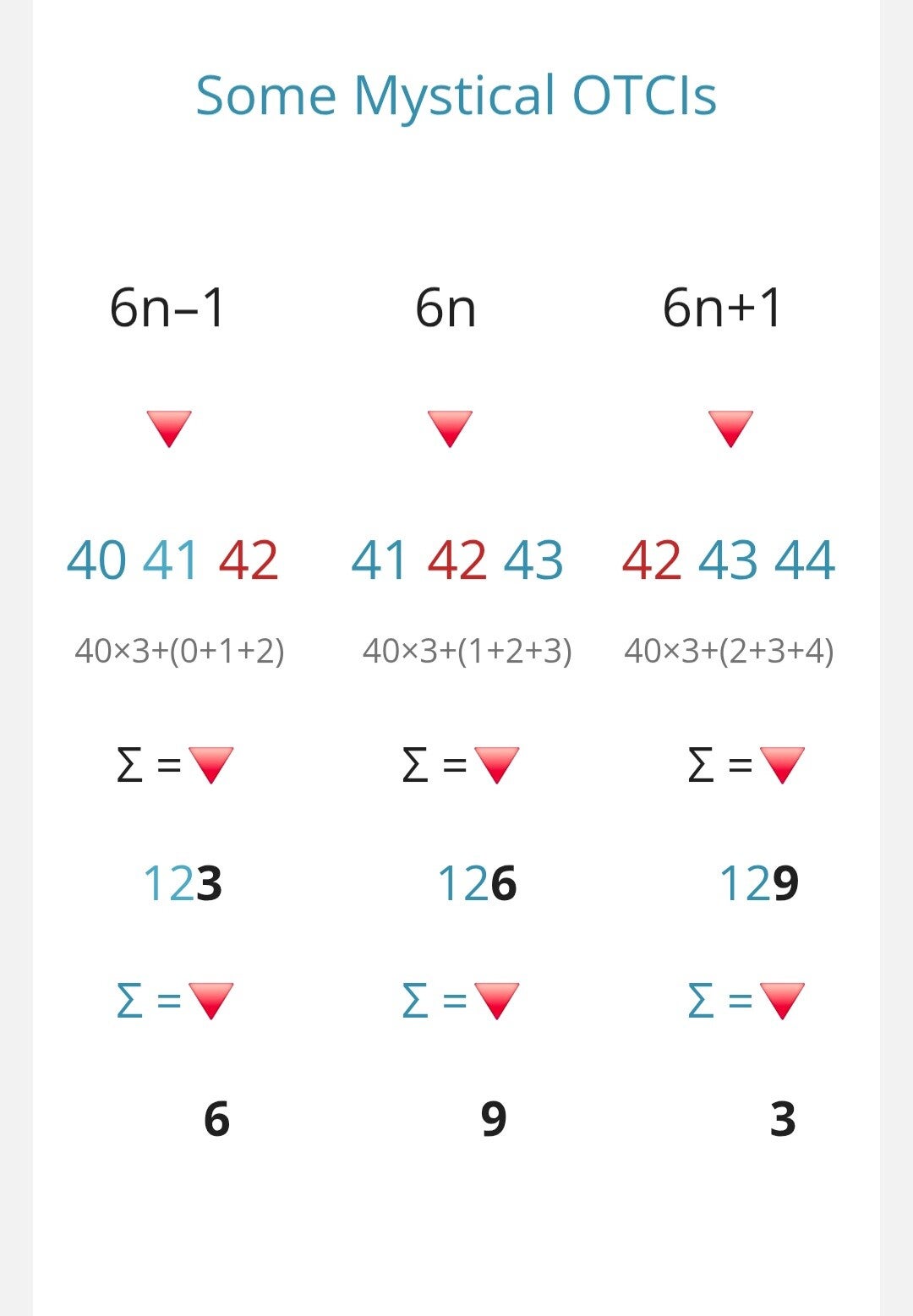
In the above, n equals 7.
Some Mystical OTCIs
Some of the behaviour of the above triple of triples is exhibited by any similar triple and is, therefore, trivial. Certain behaviour, however, is only exhibited by the above type of triple when 42 is the pivotal number ie. when 42 is (the only) number to appear in all three OTCIs. Only when pn [which acts like a pin for a prime number (or two) whenever pn is of the form 6n] is 42 (Ꝝ), do we get the numbers of the 1st and 2nd lines [the 1st line contains 1, 2 and 3 as the expression (1+2+3)].
Considering the central OTCI, we note that 42 is of the form 6n (with n = 7). The other two numbers, 41 (6n–1) and 43 (6n+1) are both prime. We further note, that 41 and 43 are, like 42, at the centre of their respective (owned by pivotal pinning) OTCIs. The behaviour of both 41 and 43 exhibits a type of reciprocal pinning - by a prime number - of composite numbers.
In the above grid, the 3 Tesla №s (3, 6 and 9) appear in both the 2nd and 3rd lines.
Beyond The Ordinary
1975 – 1957 = 18 = 7+6+5.
57 = 19×3 & OBOE 75 (76) = 4×19.
1975 – 1963 (my birthyear) = 12 = 7+5 & 1975 + 6 = 1981.
So, 1981 (the year I officially became an adult) = 1963 + 7+6+5 (1975 – 1957).
57 is called the flip of 75. Likewise, 75 is the flip of 57.
1957+6 = 1963. 1963+7 = 1970 & 1970+5 = 1975.
1963+6 = 1969, the year we first landed on the moon.
Beyond The Ordinary
Official logo of the band The 1975.
⚠️
Being a good OBOE player involves knowing how to use both The Natural № System and The System Of Whole №s. It also involves knowing when to use one instead of the other.
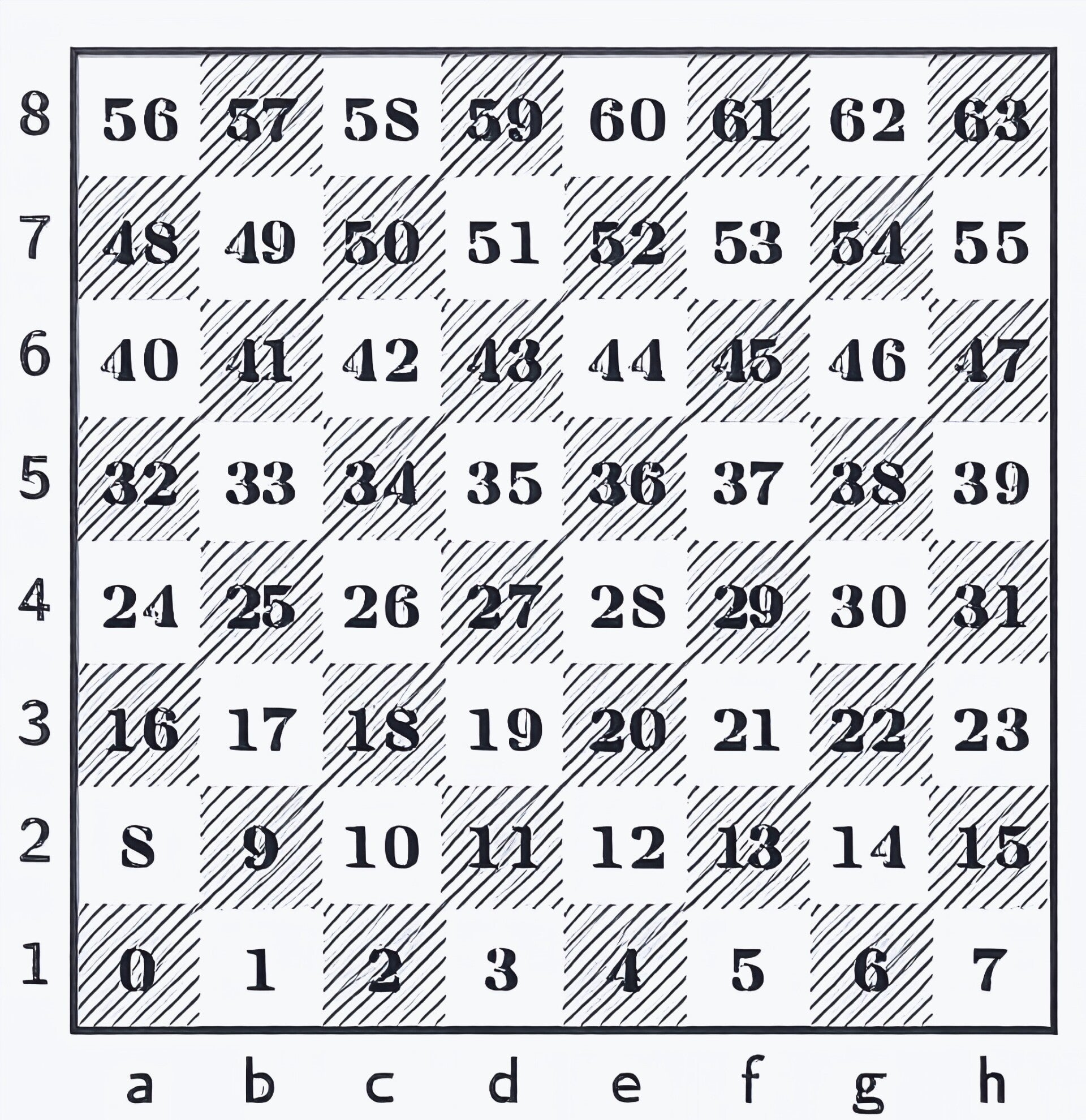
𐅫 № 63 And Chess
T
Beyond The Ordinary
The Wheat And Chessboard Story is an ancient mathematical fable that illustrates the astonishing power of exponential growth. According to the legend, when the creator of chess (often named Sissa or a wise courtier) showed the game to a king, the ruler was so delighted that he offered any reward the inventor desired. The inventor asked for a seemingly modest amount of wheat: 1 grain on the first square of the chessboard, 2 grains on the second, 4 grains on the third, and so on, doubling the number of grains on each subsequent square all the way to the 64th square. The king laughed and gladly accepted, only to discover that the total amount required—18,446,744,073,709,551,615 grains (over 18 quintillion)—was more wheat than the entire kingdom or the entire world could produce.
How the Numbers Grow.
While the first few squares require barely a handful of grain (fitting easily inside a pocket or a drinking glass), the doubling effect accelerates rapidly once it crosses into the second half of the chessboard.
Square 1: 1 grain
Square 4: 8 grains
Square 16:
32,768 grains (fits in a small cup)
Square 32: 2,147,483,648 grains (over 2 billion, filling a small pool)
Square 64 (63 when using whole №s and thinking about the appropriate power of 2 for square n):
9,223,372,036,854,775,808 grains (on the 64th square alone)
Total for all 64 squares: 18,446,744,073,709,551,615 grains (2^64) - 1.
Real-World Perspective.
To understand the sheer magnitude of 18 quintillion grains of wheat:
Weight: It totals roughly 1.19 trillion metric tons.
Scale: It would form a mountain larger than Mount Everest.
Global Output: It exceeds thousands of years of the world's actual annual wheat harvest.
The Lesson of the Story.
In economics, technology, and science, the phrase "the second half of the chessboard" is used as a metaphor for the moment exponential trends (like computing power, data growth, or compound interest) suddenly transition from looking slow and manageable to becoming overwhelmingly massive.
𐅫 № 64 And Chess
T
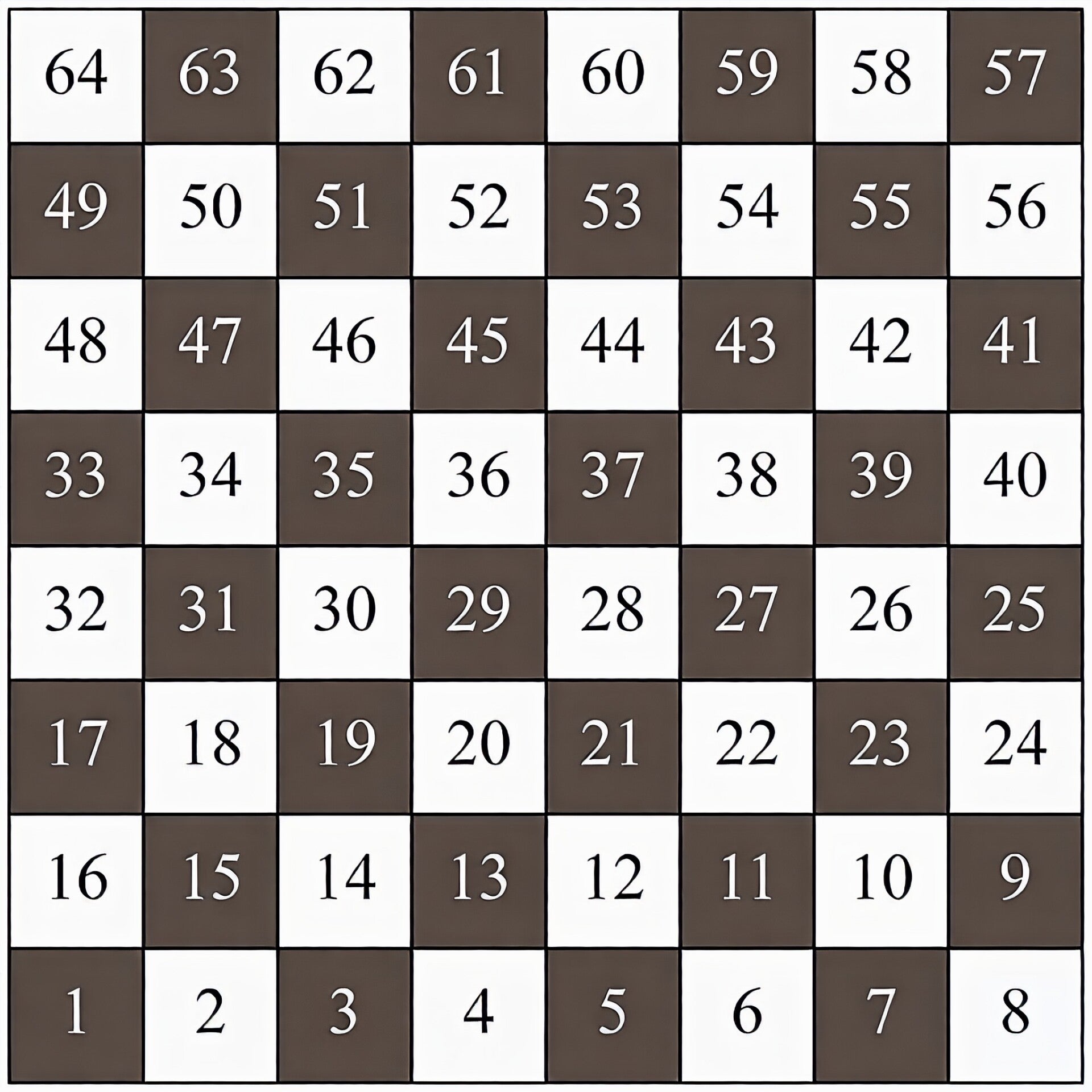
The Templar Chessboard - Stage 1
T
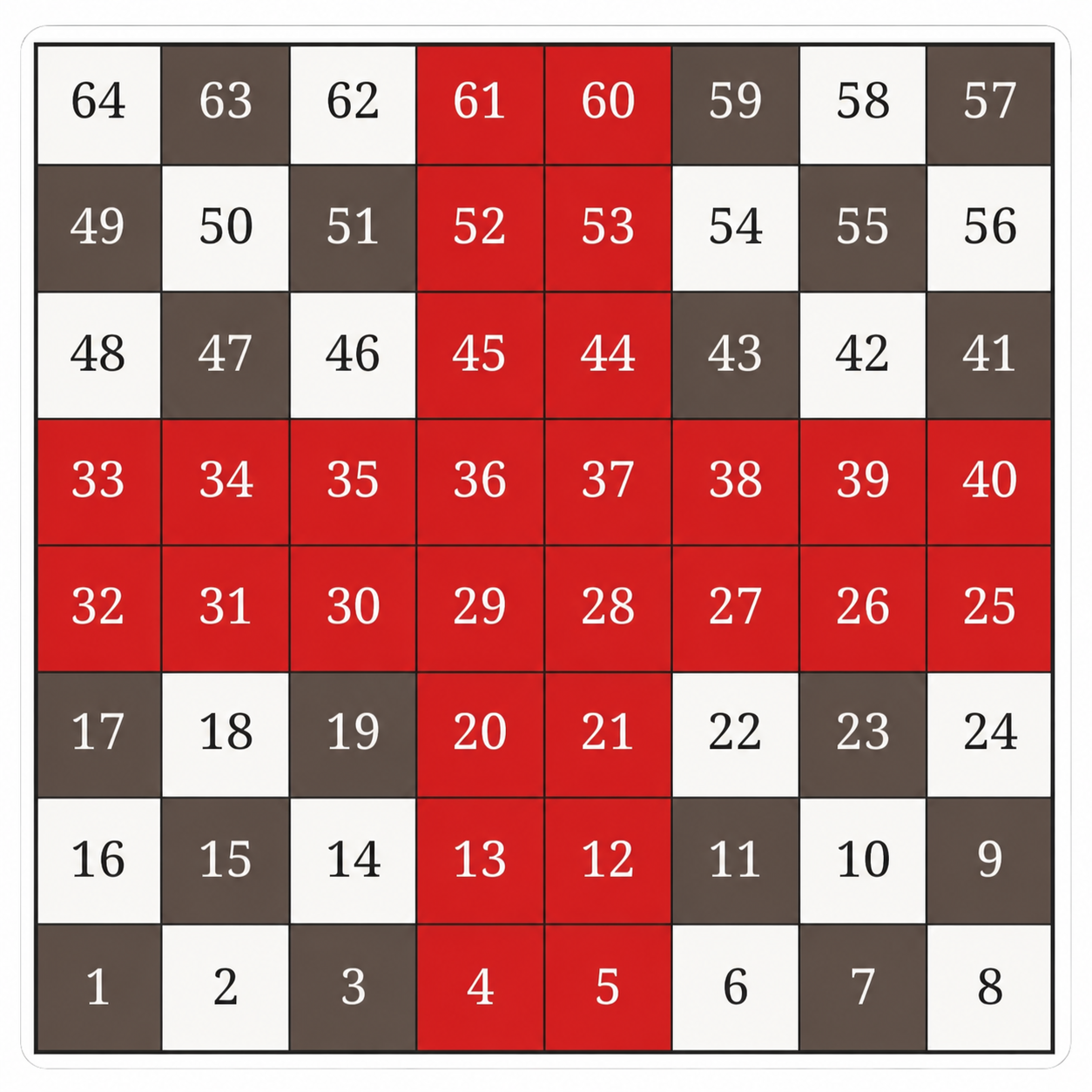
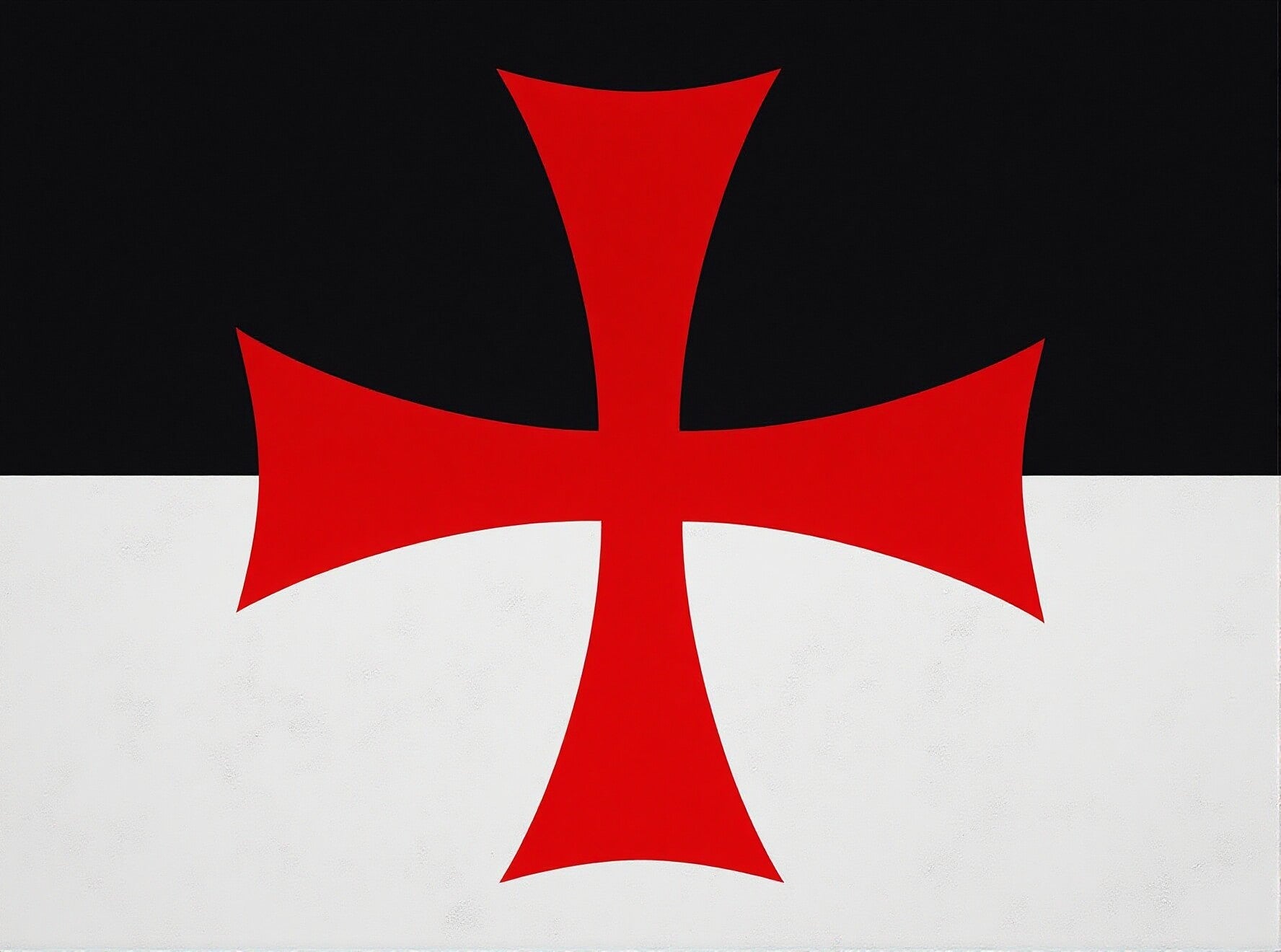
A Templar Cross Superimposed On A Chessboard. Without the numbers, this can be used as an alternative square version of the Templar flag below.
A Black, White And Red Templar Flag
The black side of The Templar Chessboard is simply the other side to the one designated white.
Beyond The Ordinary
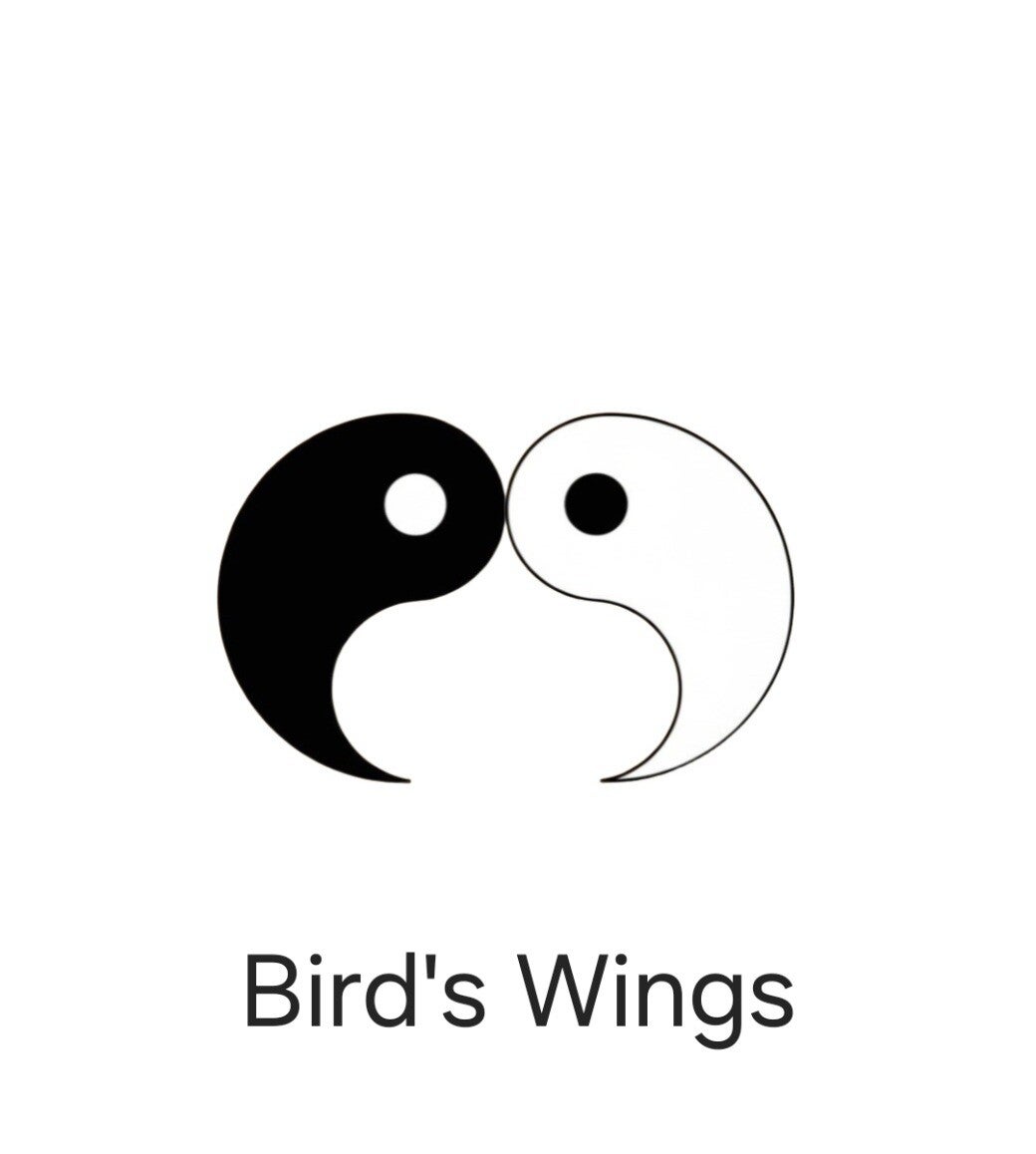
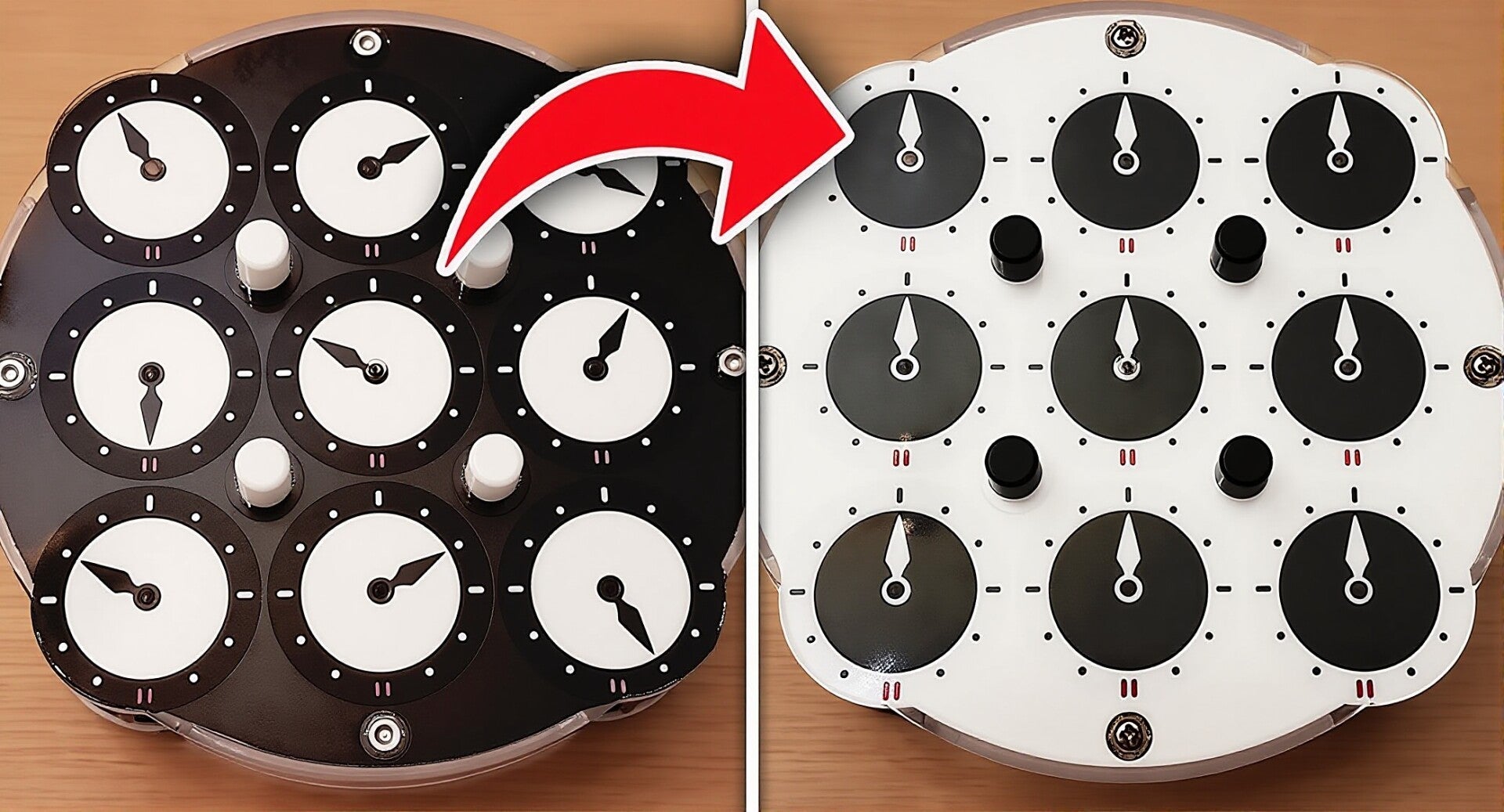
The Templar Chessboard has two inbuilt clocks that can introduce their own puzzlement in the manner of Rubik's Clock. For two players, there is a single black clock for one player and a single white clock for the other. There is, of course, a Taijitu-like interpretation for The Templar Chessboard Clock (TCC) with white from one side into black and, equally, black from the other side into white.
The Templar Chessboard - Stage 2
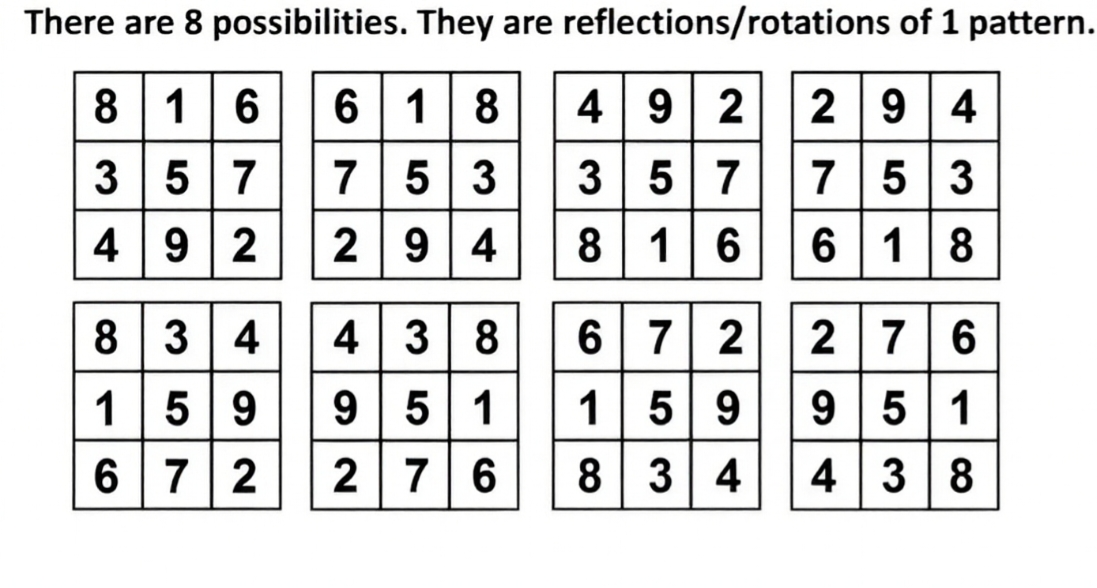
3 By 3 Magic Squares Using 𐅫 Digits 0 - 9
🔻
The Templar Chessboard - Stage 3
T