Beyond the ordinary
Li

Getting On Someone's Wiki
A Wiki is a collaborative website that allows anyone with a web browser to view, create, and edit content directly from the page. It is designed to make gathering and sharing information simple by eliminating the need to learn complex web-coding languages like HTML.
Key Characteristics.
Collaborative:
Instead of one person acting as the author, multiple people can contribute to and refine the same document or page.
Revision History:
Wikis automatically track the history of edits, making it incredibly easy to see who made what changes or to instantly revert a page back to an older version if a mistake is made.
Hyperlinking:
They use a simple syntax to easily link one page of information to another, creating a web of related topics.
Where Are They Used?
Public Knowledge Bases:
The most famous example is Wikipedia, an open, crowdsourced encyclopedia.
Fandom & Gaming:
Niche communities frequently use wikis (often hosted on platforms like Fandom) to act as detailed encyclopedias for specific movies, books, or video games.
Internal Company Knowledge:
Many organisations set up private, internal wikis (using tools like Notion or Confluence) to store team resources, guidelines, and project information.
Fun Fact.
The term comes from the Hawaiian word "wikiwiki," which means "quick". It was adopted in 1995 by software engineer Ward Cunningham, who created the very first collaborative, user-editable website.
Beyond The Ordinary
Li
Beyond the ordinary
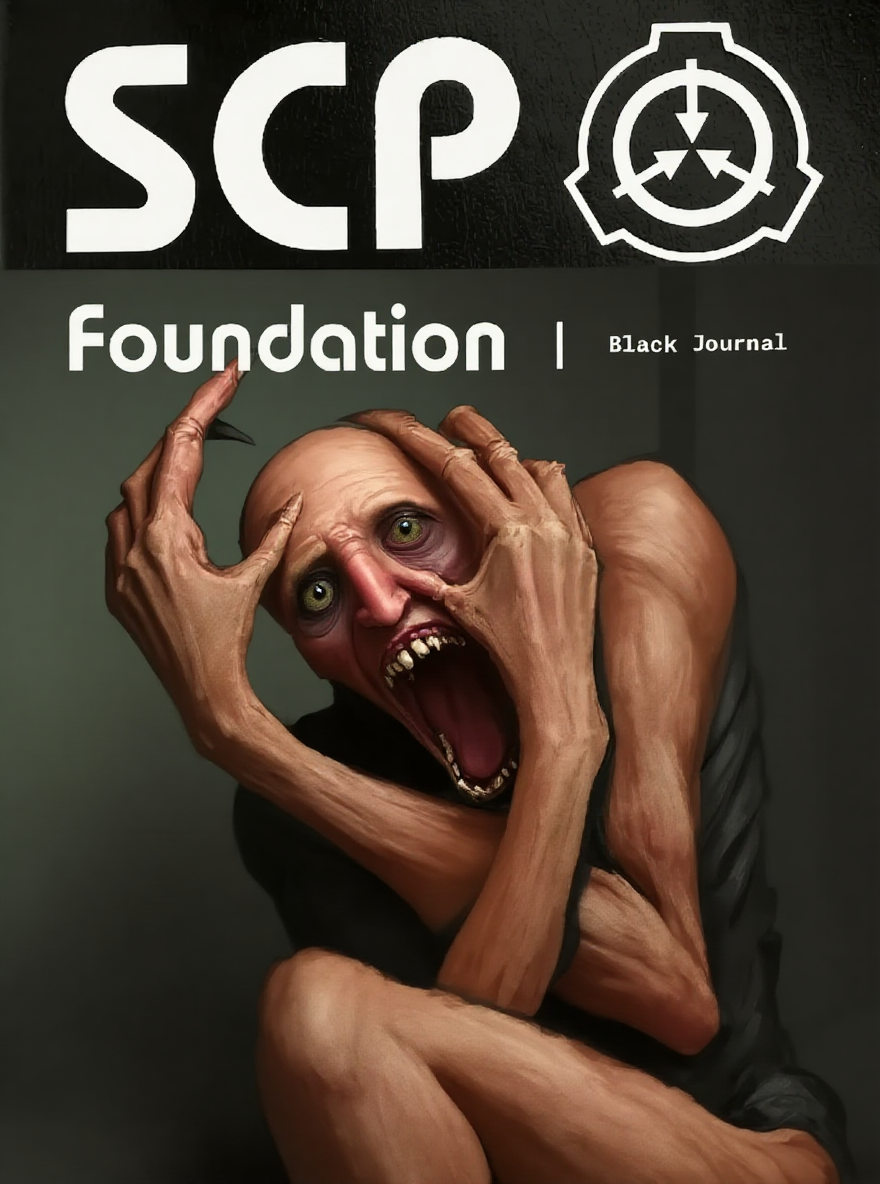
The SCP Foundation is a massive, collaborative, fictional universe created by a community of writers online. The stories center around a secret, global organization tasked with finding and securely containing the paranormal — referred to as anomalies or SCPs — to protect humanity and maintain normalcy.
Here are some things to know about how SCP works.
Q. What does SCP stand for?
A. The acronym technically stands for Special Containment Procedures, but the organisation's motto is Secure, Contain, Protect.
Q. How are stories formatted?
A. Stories are written in the style of mock, classified government/scientific files. Each anomaly is assigned a specific designation (e.g., SCP-173) and includes:
Item #: The classification number.
Object Class: The difficulty of containing it (most notably Safe, Euclid, or Keter).
Special Containment Procedures: The rules for keeping the anomaly safely locked away.
Description: Details on what the anomaly is and what it does.
Q. What kind of things are SCPs?
A. Anomalies can range from benign or helpful objects to apocalyptic, world-ending monsters. The database spans thousands of entries and includes things like:
-
A seemingly ordinary prescription pill bottle that cures all ailments.
-
A sculpture made of concrete and rebar that moves at extreme speeds and snaps people's necks, but only when nobody is looking directly at it.
-
A physically impossible, infinite IKEA store with hostile, strangely proportioned staff.
Q. Where can I find it?
A. The entire universe is written and maintained on The SCP Wiki. Because the project is open-source and has no single canon, anyone can submit an idea, leading to hundreds of conflicting storylines, groups, and character arcs. The lore has also heavily inspired numerous video games, such as SCP – Containment Breach and SCP: Secret Laboratory.
Beyond The Ordinary
In Will's Personal Foundation (WPF)[a version of The SCP Foundation.], there exists an industrial environment called The Factory where players often attend raves¹.
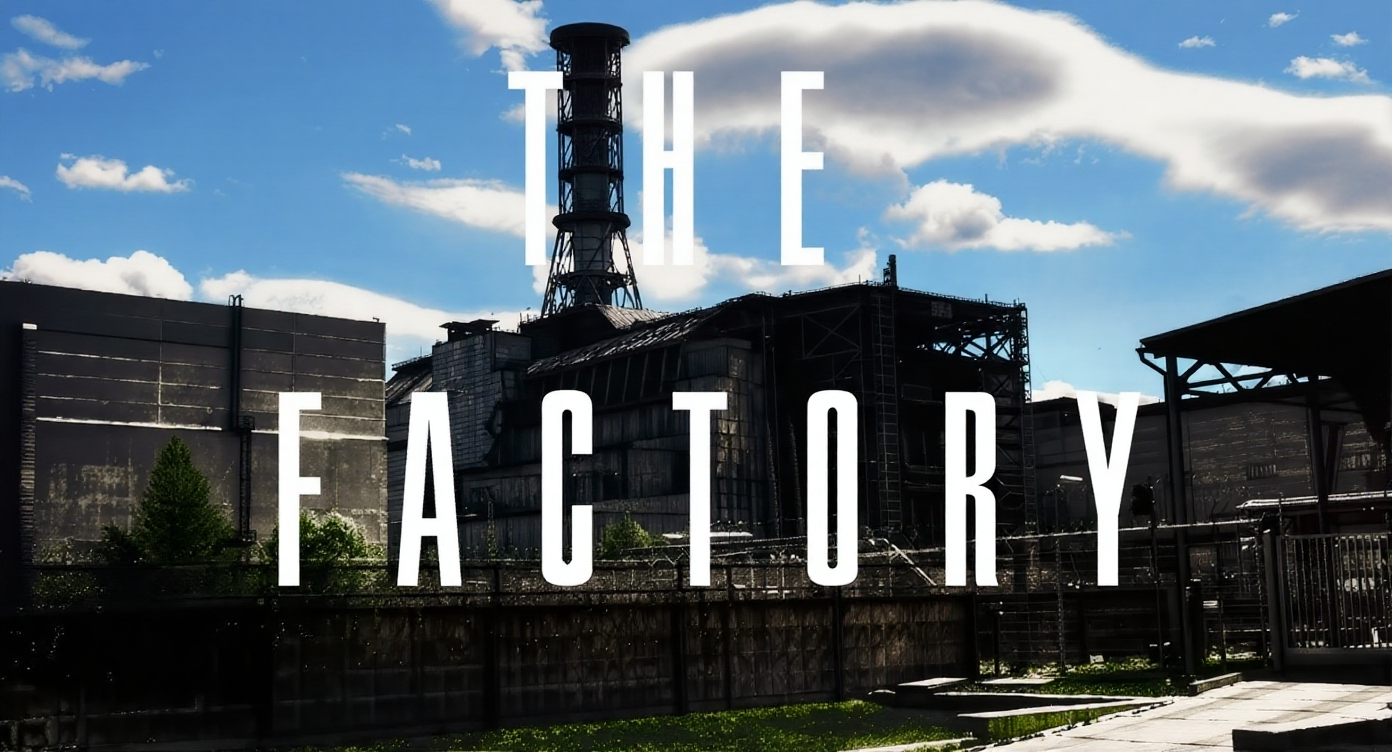
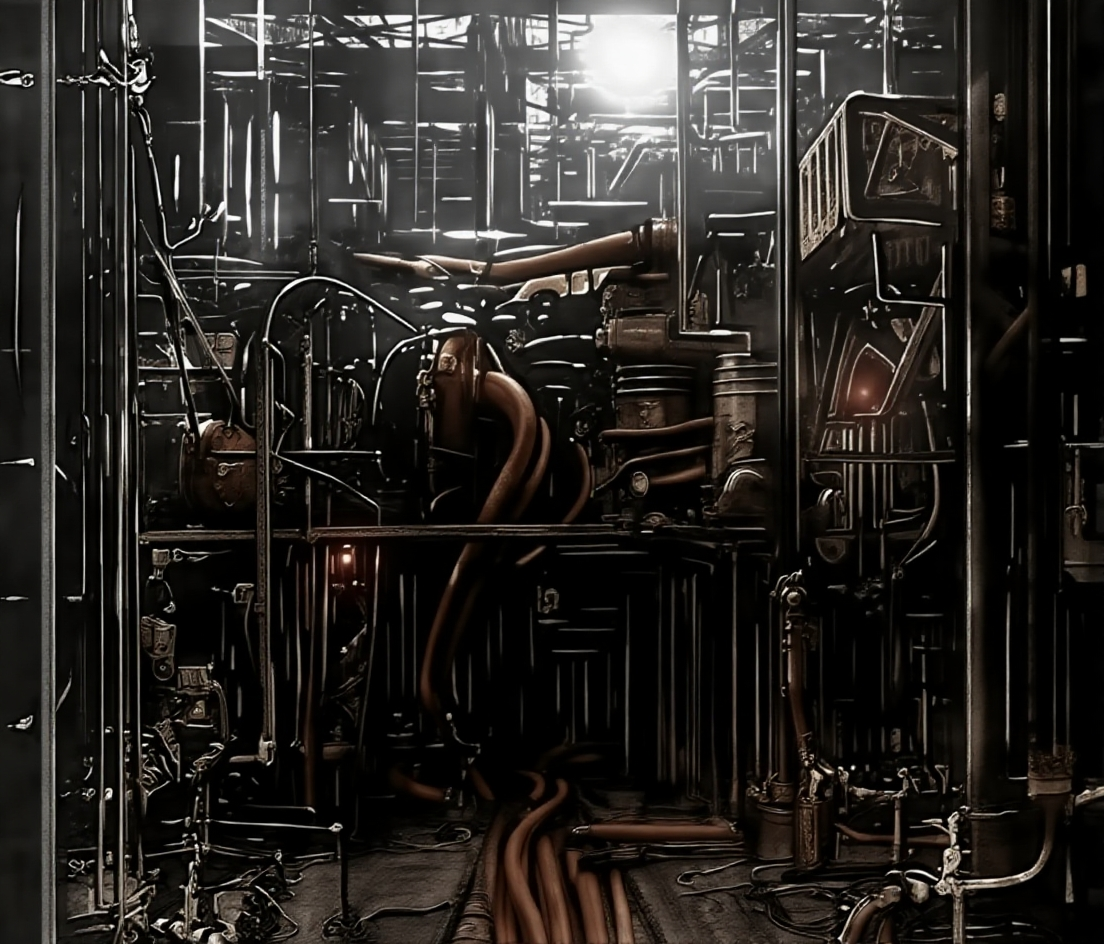
A Rave in The Factory 🔻
Beyond The Ordinary
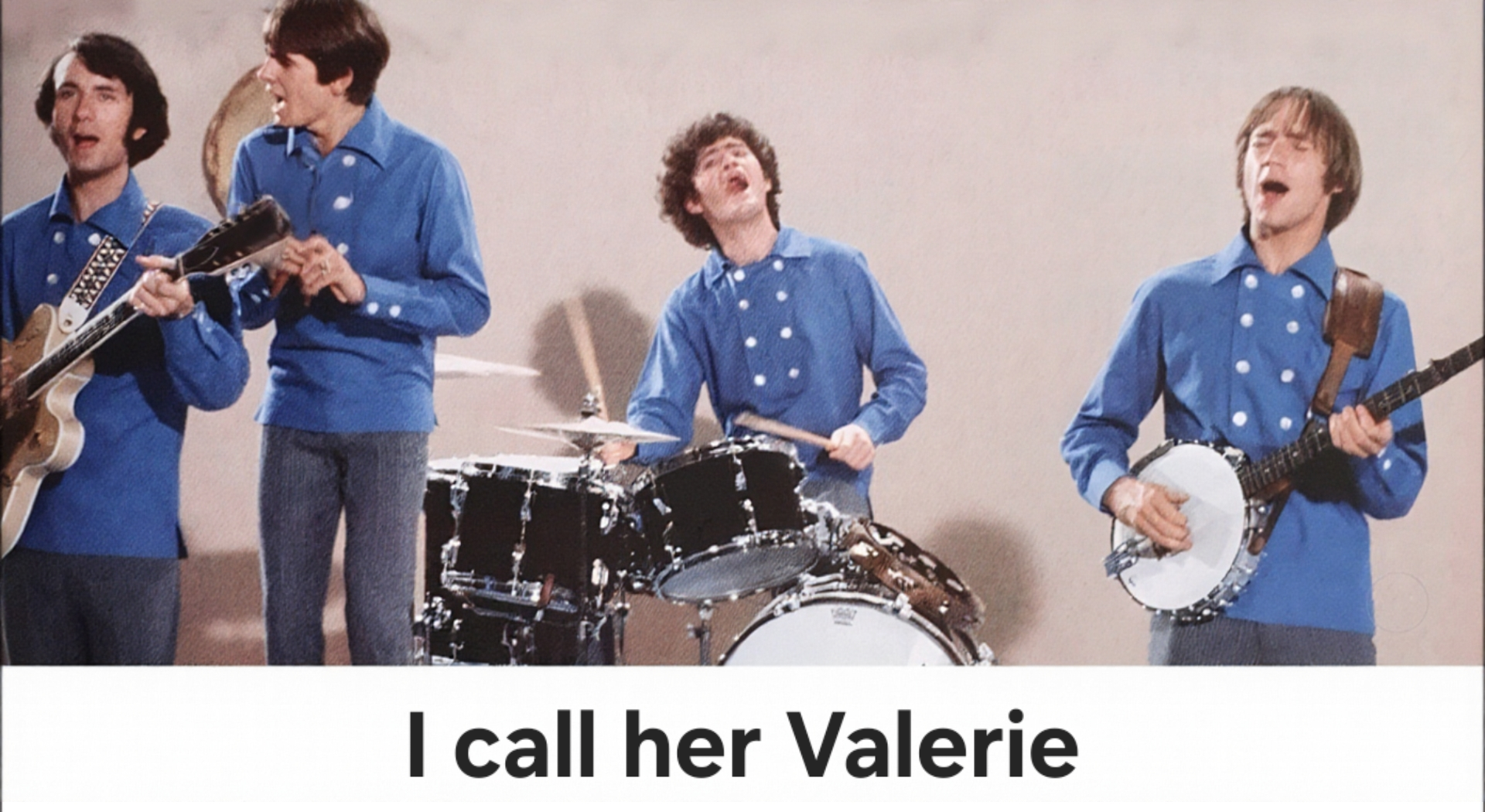
The female in The Rituel Video is a combination of many characters from The Macrew Universe. As A Foundation SCP-type object, she is MPF-123. She has many names including Valerie-123. Among others, as an adult&grownup, Valerie is:
-
Valerie 23 from The Outer Limits.
-
llia The Deltan from Star Trek: The Original Motion Picture.
-
Rotwangs Robot from Metropolis.
-
Wednesday (16+) from Wednesday.
-
SIL from the Species movies.
-
An Alien-Human hybrid from the Alien movies.
-
Sherry Birkin from the Resident Evil games.
In the Netflix show Wednesday, the titular character begins the series at 15 (2℧) years old. She celebrates her 16th birthday during the sixth episode of the first season, making her 16 years old for the majority of the show.
For context, Jenna Ortega (who plays Wednesday) was in her late teens and early twenties during filming.
The Many Faces - And Bodies - Of Valerie+16
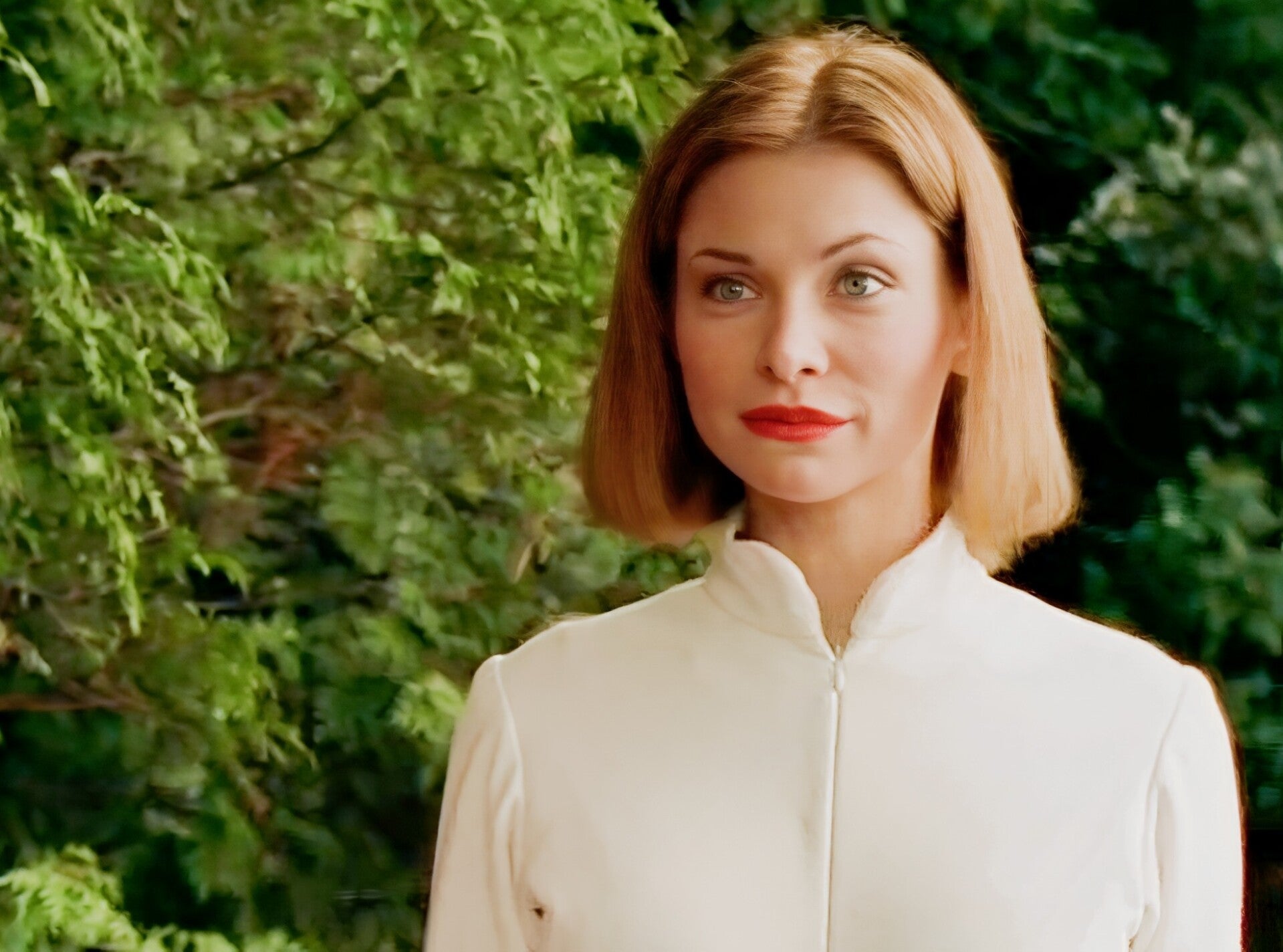
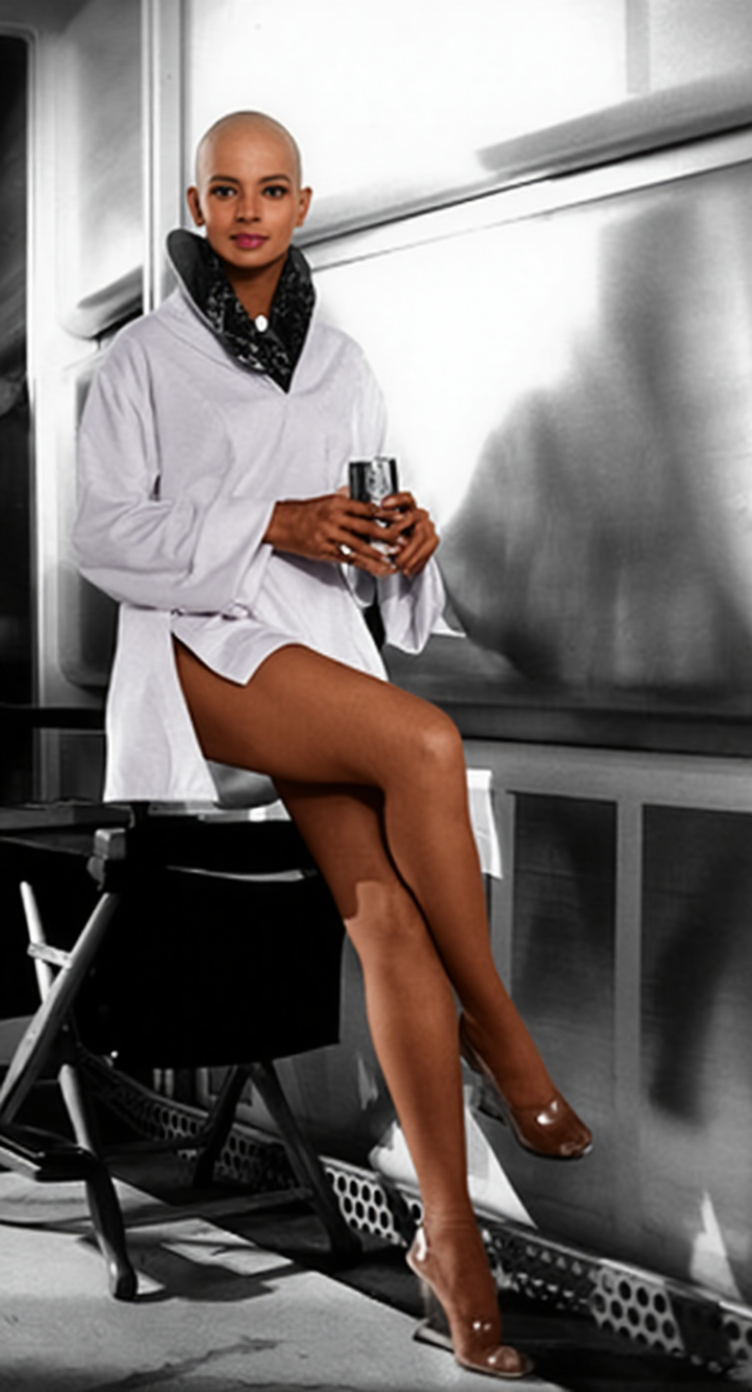
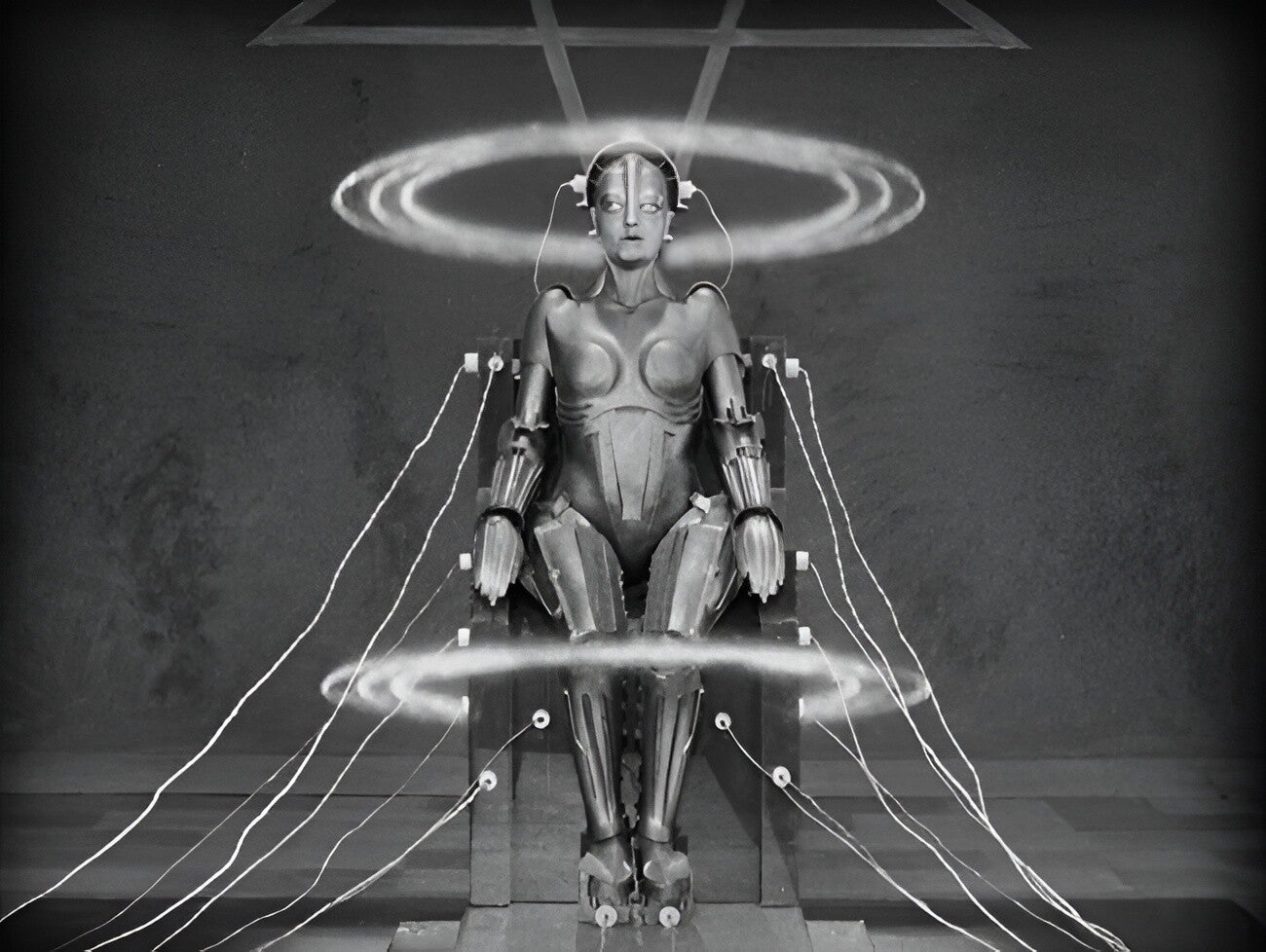
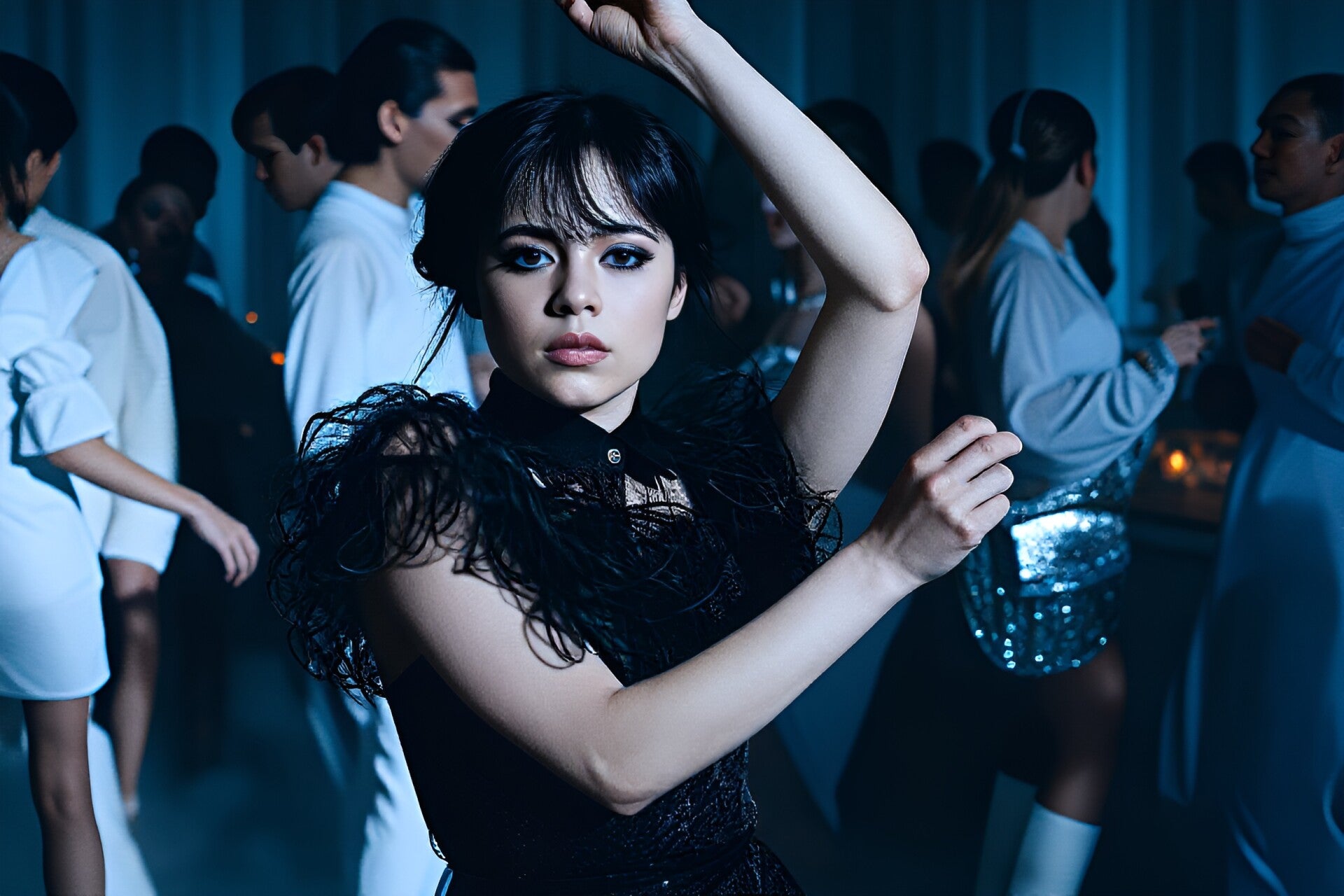
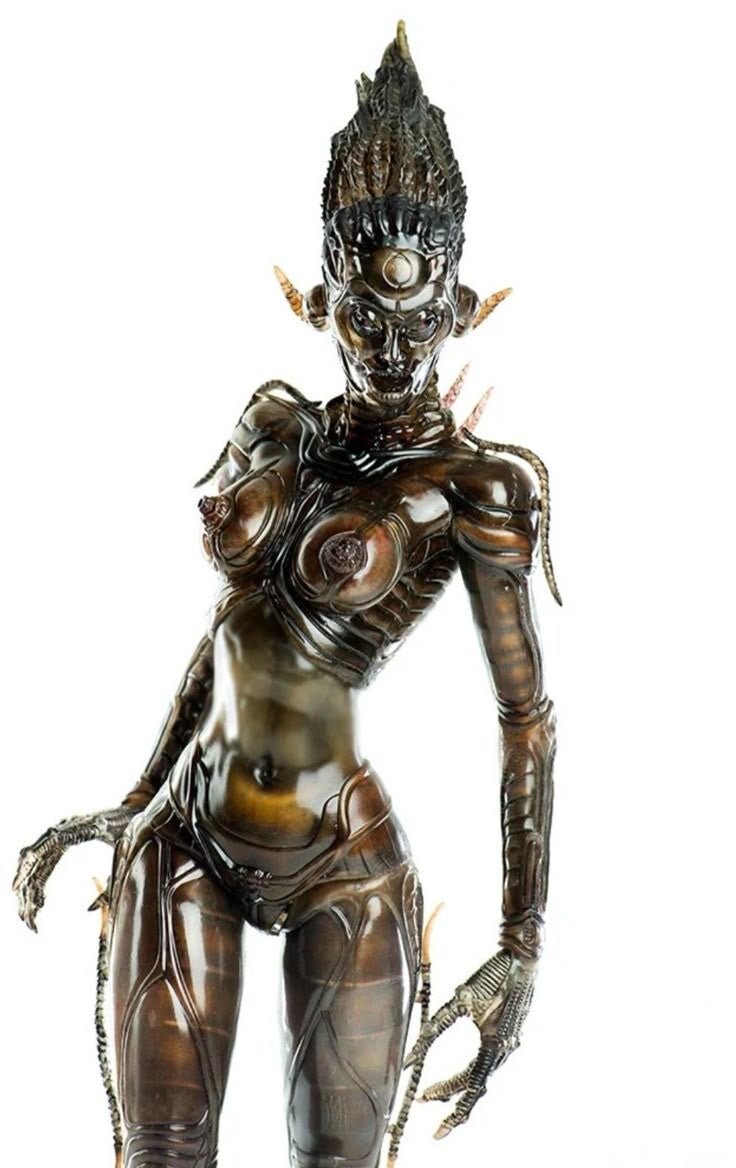
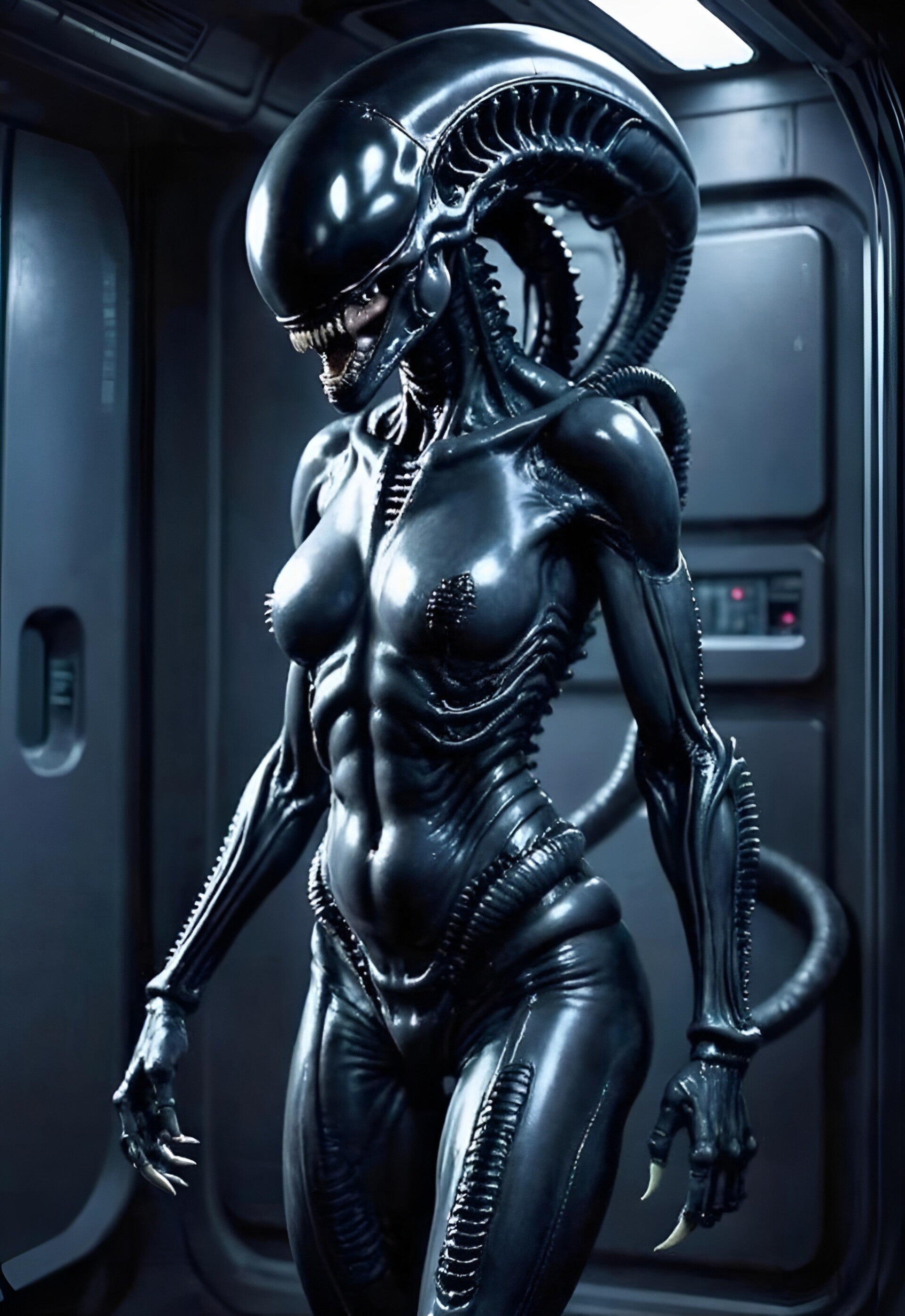
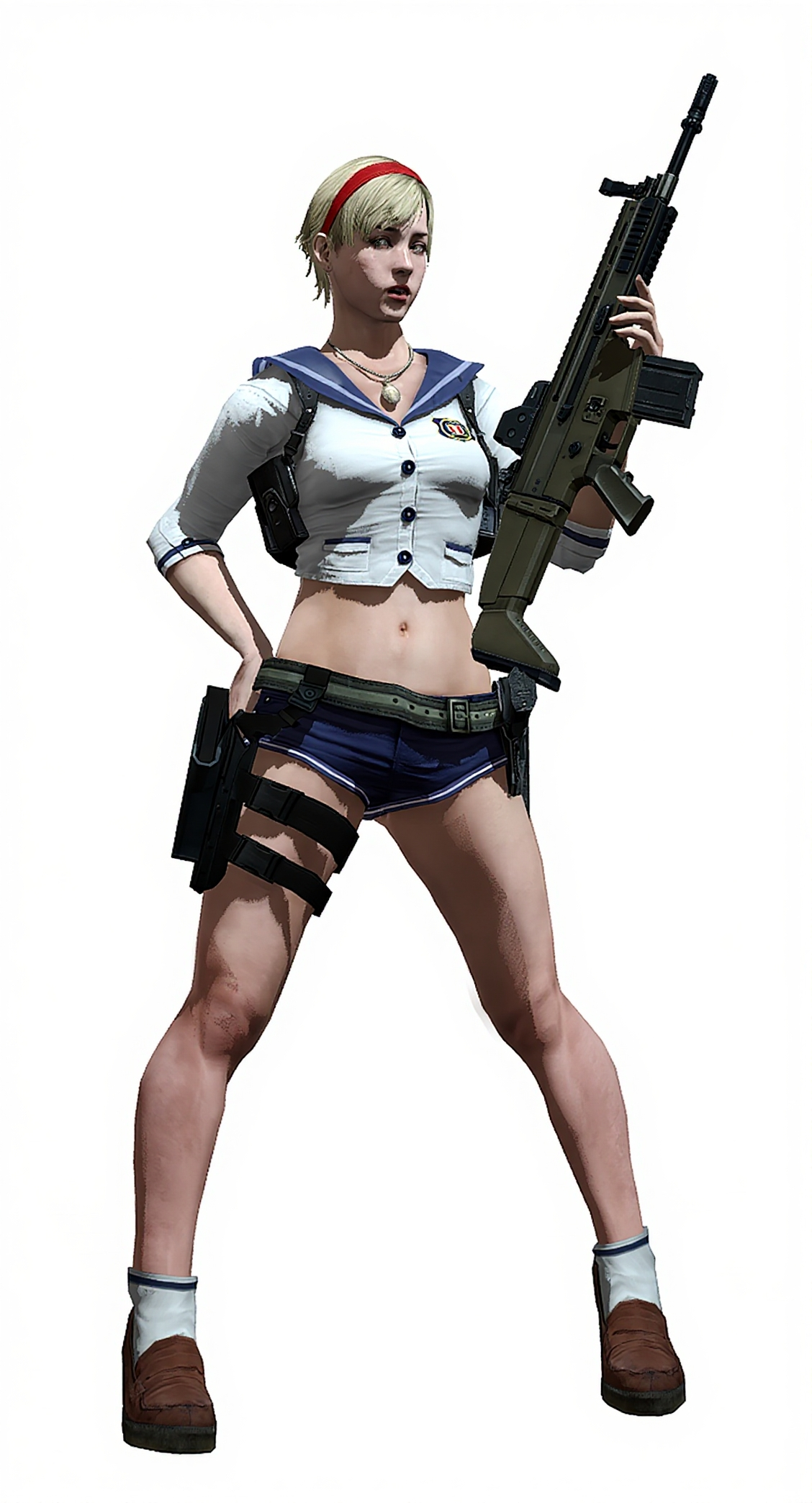
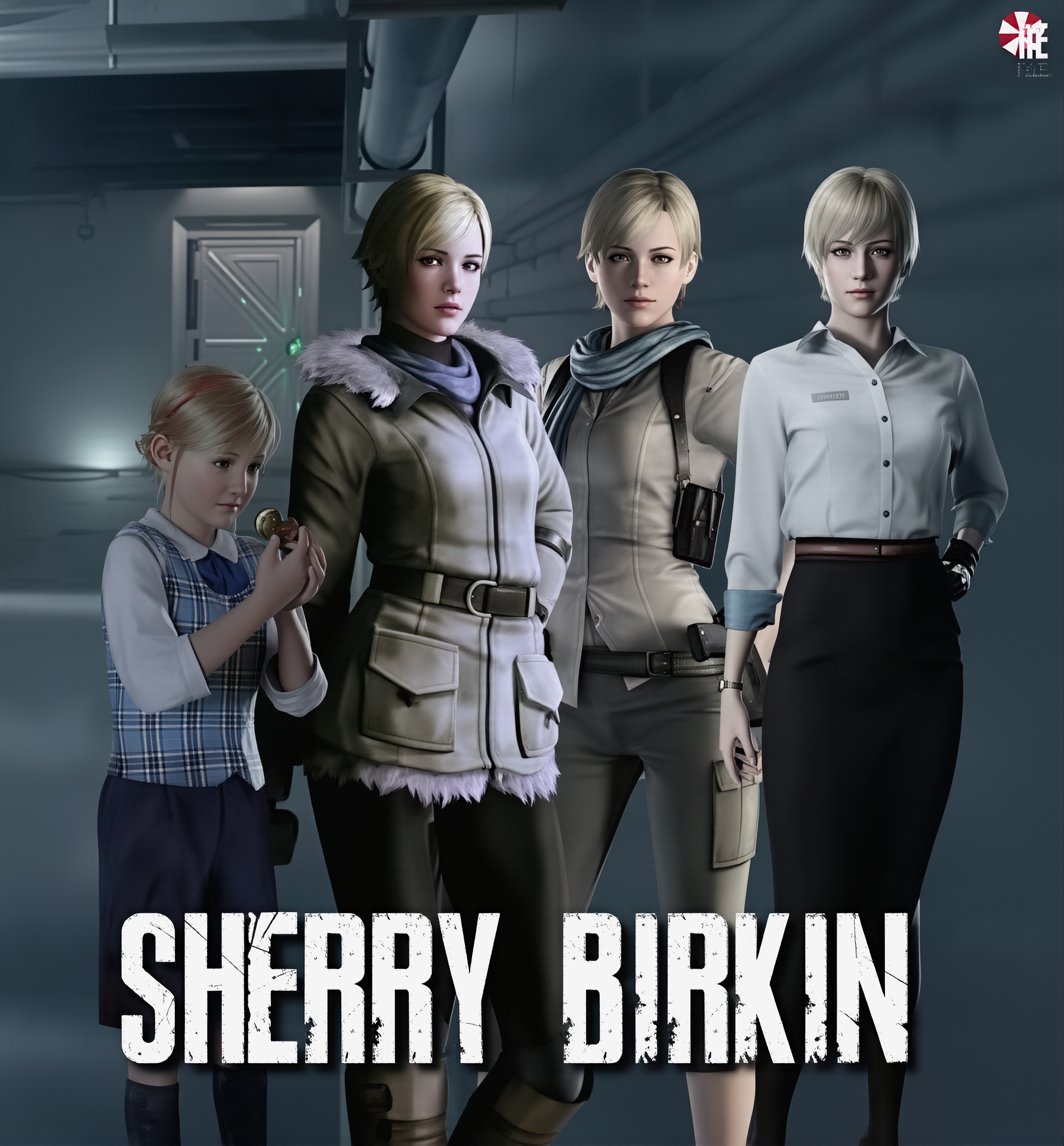
Note that there is a link between +16 (aged 16 or over) and -15 (aged 15 or under) versions of many characters. Contextual interpretation (CI) is required to understand which version is meant. CI is also used to identity the relationship-or possible relationship-between any pair of characters. If a relationship in Qu is not permissable, one member of a pair is a hostile.
Beyond The Ordinary
Beyond the ordinary
The concept of An Alien-Human Hybrid bridges evolutionary biology, modern science fiction, and popular UFO folklore.
Scientific Perspective.
From a biological standpoint, creating a viable hybrid between humans and extraterrestrial life is highly improbable. Because Earth-based life evolved independently, our genetic code—which relies on DNA and specific amino acids—would likely be completely incompatible with the biology of an alien species.
UFO Folklore & Ufology.
In extraterrestrial conspiracy theories and accounts of alien abductions, human-alien hybrids are frequently described as part of a clandestine breeding program.
The Greys:
Many believers and experiencers describe alien-human hybrids as having humanoid bodies with pale skin, large heads, and oversized black eyes.
The Theory:
Some fringe theorists propose that these beings are genetically engineered to survive changing planetary environments or that they serve as a bridge between human consciousness and non-human intelligence.
In Science Fiction.
The concept is a staple in pop culture, used to explore themes of evolution, horror, and what it means to be human.
Alien Franchise:
Human and Xenomorph biology famously combine in films like Alien: Resurrection (creating The Newborn) and Alien: Romulus (introducing The Offspring via the black-goo pathogen).
The X-Files:
The overarching myth-arc heavily features the Syndicate creating human-alien hybrids (like the character Gibson Praise) to survive a planned alien colonisation.
Species Trilogy:
This franchise features a deadly, rapidly maturing human-alien hybrid created from genetic coding transmitted from space.
Beyond the ordinary
Li
Valerie-15
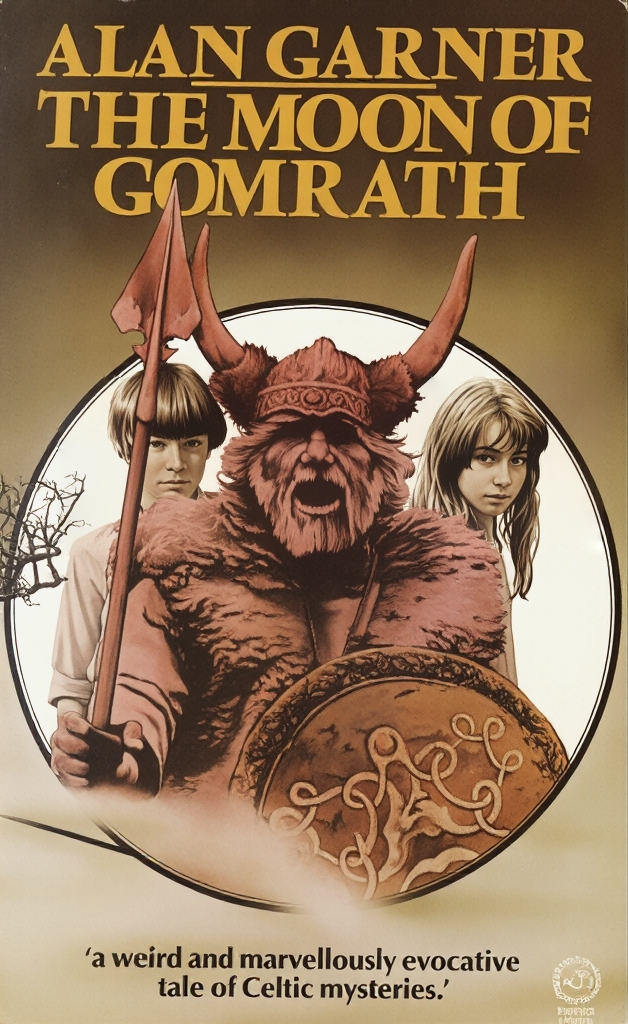
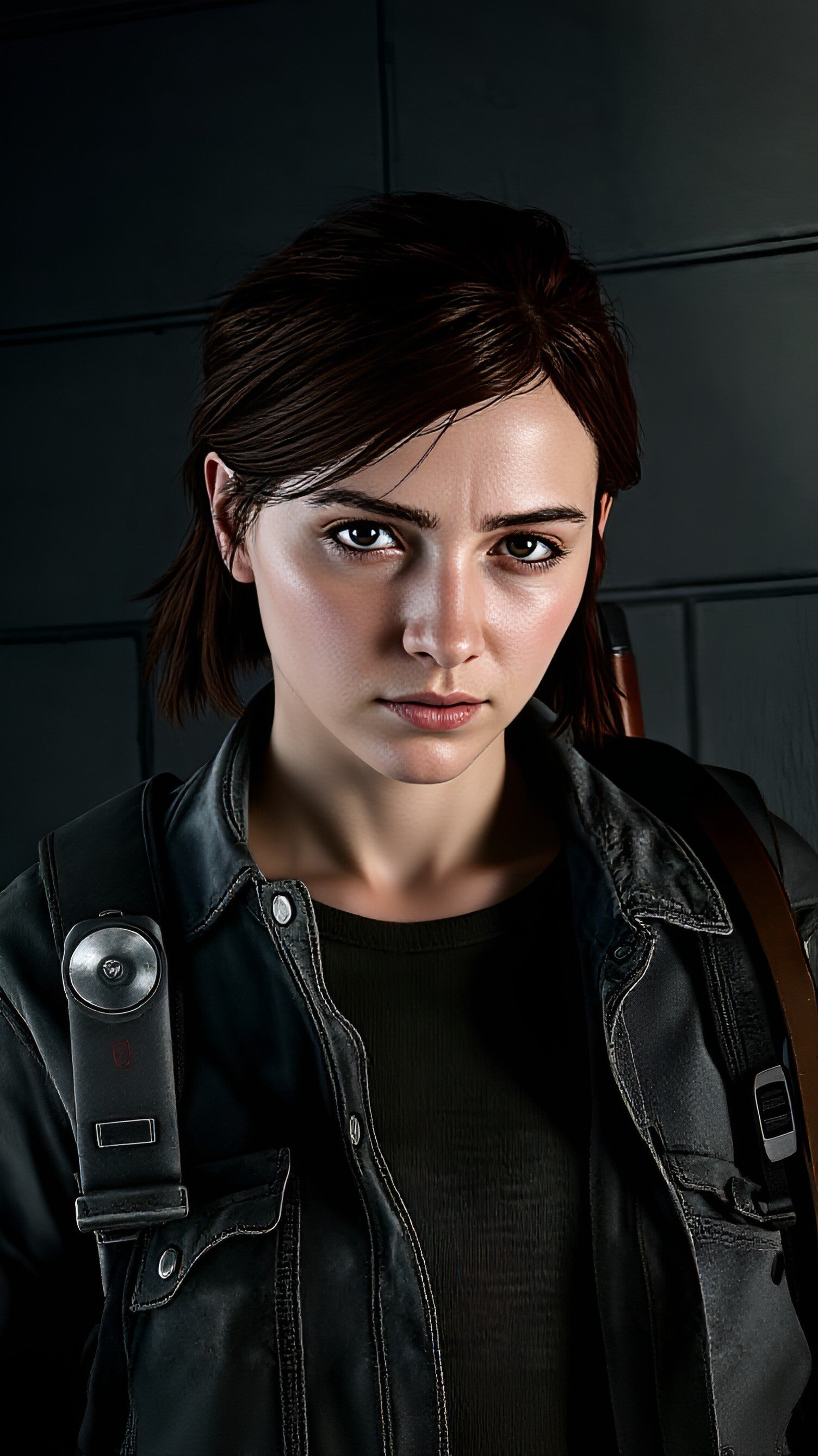
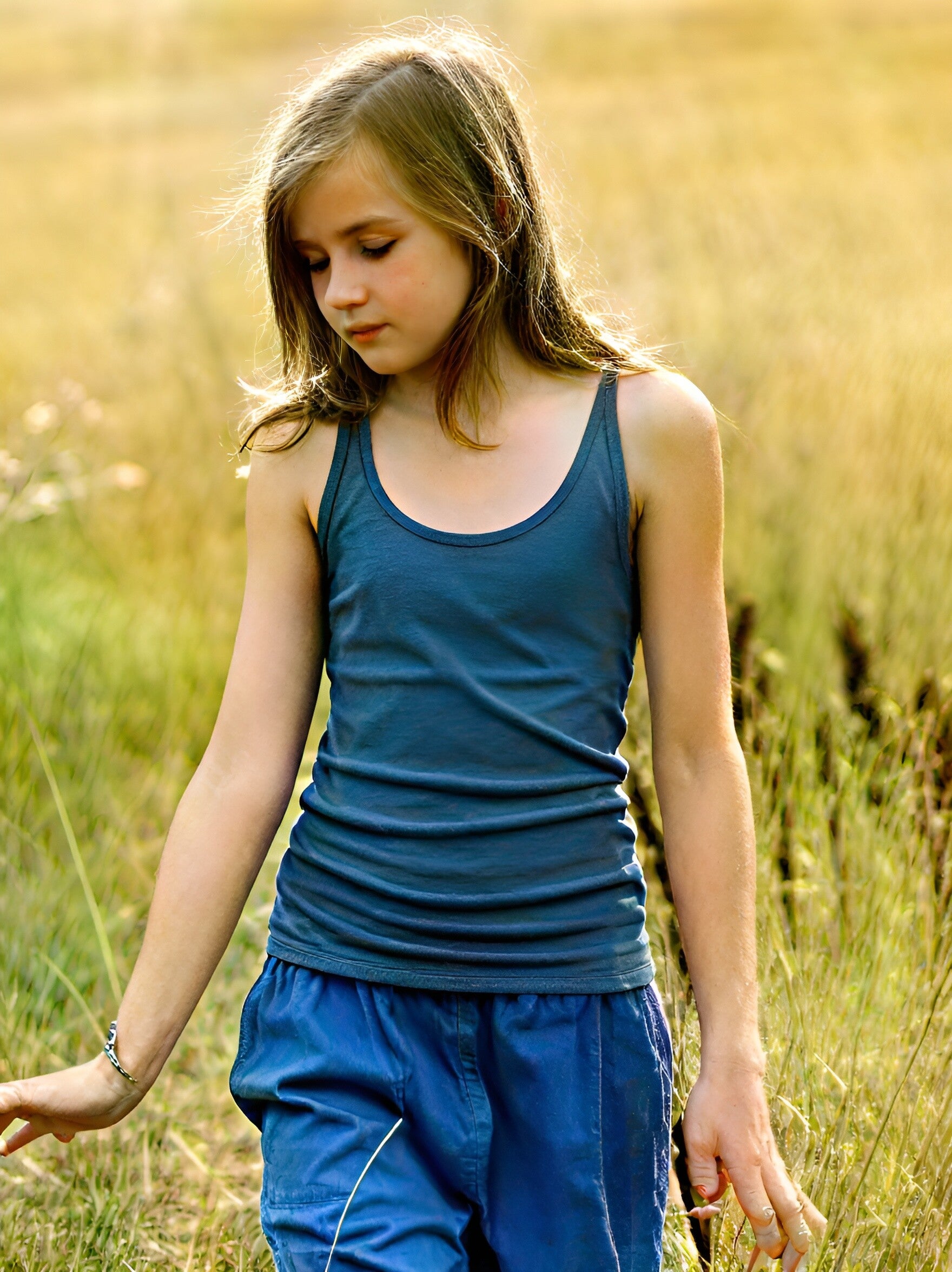
As a child - here, I'm taking child to be anyone under the age of 16 - the Valerie-15 character is, like Valerie+16, taken from many sources. One of the main sources is Martin Garner's book The Moon Of Gomrath. Known as Susan in the novel, this adventurous and intelligent girl is a perfect (appropriate) complement to the primary male character of The Game.
Other characters for Valerie-15.
Ellie from the video game The Last Of Us.

Beyond The Ordinary
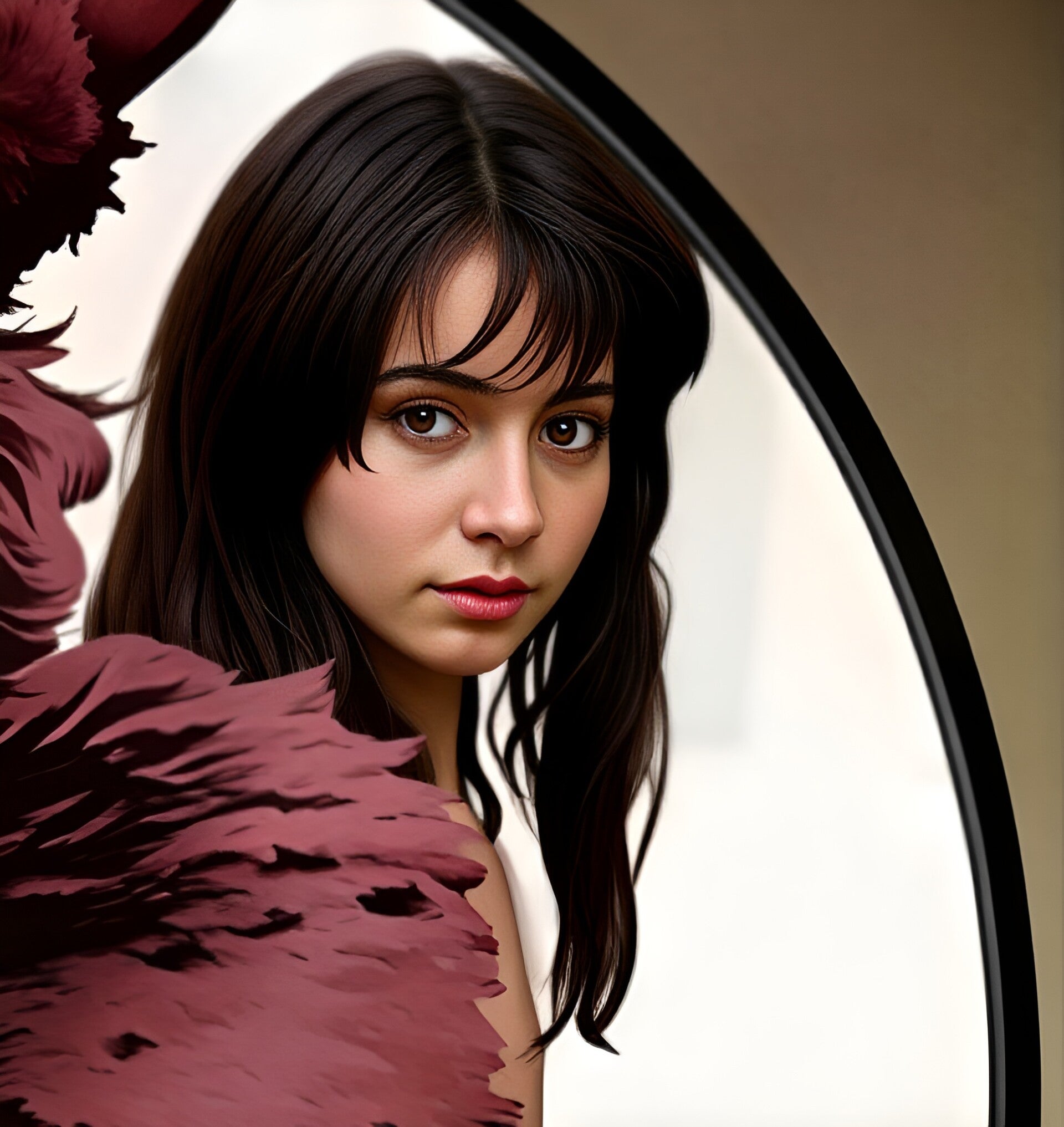
The primary face of Valerie-15 is something I took from the front cover artwork for the book The Moon Of Gomrath.
Beyond The Ordinary
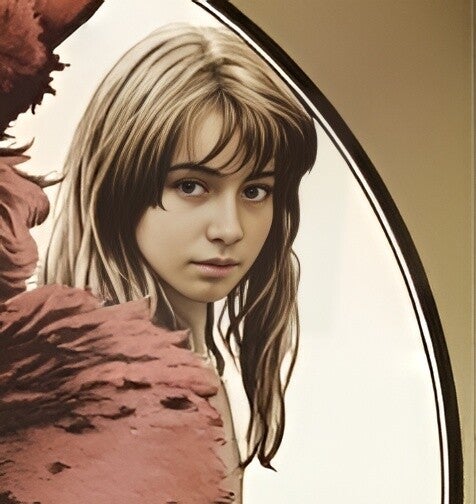
Valerie-15 Gallery
Beyond The Ordinary
An Alternative View Of Susan (as she is called in TMOG).
Beyond The Ordinary
Li.