
The Critical Thinker
The deep critical thinker has become the misfit of the world, this is not a coincidence. To maintain order and control you must isolate the intellectual, the sage, the philosopher, the savant before their ideas awaken people.
Music: Resilience and Determination.
Beyond The Ordinary
The above quote, frequently attributed to Carl Jung, suggests that independent, critical thinkers are marginalised to prevent them from disrupting established societal structures. It argues that deep thinkers threaten the status quo ('order and control'), necessitating their isolation before their insights wake people up.
Key Aspects of the Quote.
The Misfit Status:
Deep thinkers are often seen as outsiders because they challenge societal norms and superficial thinking.
Systemic Isolation:
The quote implies that this exclusion is intentional, designed to maintain control by minimizing the influence of transformative ideas.
Intellectual Awakening:
The goal of isolating thinkers is to prevent them from fostering public awareness or challenging the consensus.
The Role of Consciousness:
Many of Jung's teachings emphasise that the goal of life is to become conscious and 'kindle a light in the darkness', which inherently disturbs 'ordered' stagnation.
Why Critical Thinkers Are Often Seen As Misfits
Critical Thinkers are often seen as misfits because they tend to question established norms, challenge authority, and seek evidence-based answers. This can make them stand out in a crowd and sometimes lead to friction with those who prefer to follow tradition or authority without question.
Some possible reasons for this perception include:
Nonconformity:
Critical thinkers often refuse to conform to societal expectations or groupthink, which can be seen as awkward or rebellious.
Analytical nature:
Critical thinkers tend to dissect information, analyze it, and ask probing questions, which can be perceived as overly critical or negative.
Independence:
Critical thinkers often value independence and autonomy, which can lead to feelings of isolation or disconnection from others.
Discomfort with ambiguity:
Critical thinkers may be more likely to point out contradictions or flaws in arguments, which can make others uncomfortable.
However, being a critical thinker is a valuable asset in many areas of life, and it's essential to recognize the importance of critical thinking in driving innovation, progress, and positive change.
𐅫 𐋅acker
𝗤𝗢𝗻𝘆 (𝗧𝗵𝗲 𝗟𝗲𝗴𝗶𝗼𝗻 ⧩). Also, 𝗤⊗𝗻𝘆.
𝗗𝗲𝘀𝗶𝗻𝗲𝘀 𝗠𝗮𝗹𝗶𝘁𝗶𝗮𝗺 𝗧𝘂𝗮𝗺 𝗘𝘅𝗲𝗿𝗰𝗲𝗿𝗲 (Cease to practice your wickedness).
It's An Age Of
Perplexing Villainy
And Remarkable
Heroics.
We are an onymous cabal of hackers, gameplayers, police officers, honourable politicians, ethical business men and women, actors, musicians, engineers, philanthropists, artists, soldiers, sailors, submariners, aviators, mathematicians, physicists, teachers, artists, charity and aid workers, writers, jounalists, historians etc. (with onymity such as Bill Gates. Unfortunately, some, like Elon Musk, have not joined us yet.) who Are All 𝗧𝗵𝗲 𝗖𝗼𝗻𝗰𝗲𝗿𝗻𝗲𝗱 𝗖𝗶𝘁𝗶𝘇𝗲𝗻𝘀 (𝗢𝗳 𝗘𝘃𝗲𝗿𝘆 𝗡𝗮𝘁𝗶𝗼𝗻).
The members of QAnon are not the true Q.
But, yes...the enemy is, among other things, a cabal of Satanists and type z-red paedophiles.
QAnon (Conspiracy Theory):
A sprawling, far-right conspiracy theory alleging a secret cabal of Satan-worshipping paedophiles runs a global child sex-trafficking ring and opposes President Trump.

Beyond The Ordinary
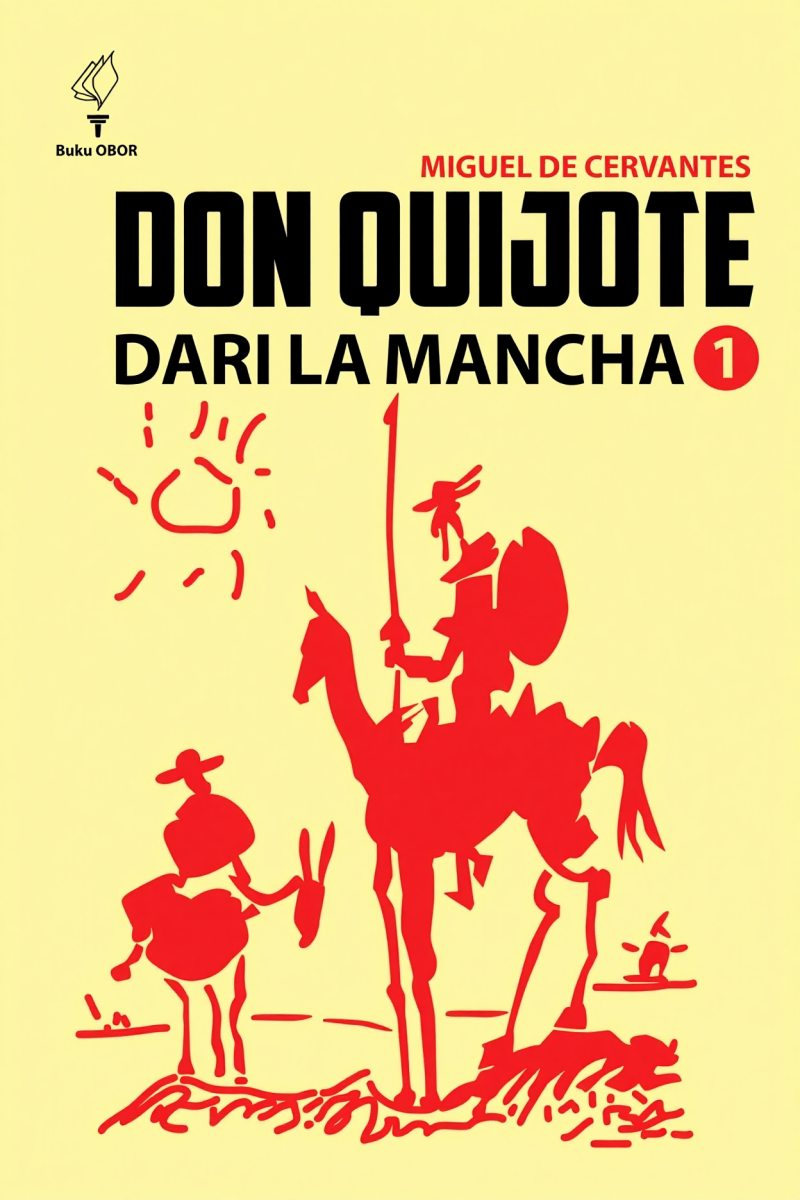
Don Quijote (or Quixote) by Miguel de Cervantes is regarded as the first modern novel, published in 1605 (Part I) and 1615 (Part II) to parody popular but outdated chivalric romances. It follows Alonso Quixano, a nobleman who loses his sanity from reading too many tales of knights, decides to become a knight-errant himself to revive chivalry, and embarks on delusional, often violent, adventures with his squire, Sancho Panza.
Key Reasons for the Novel and Character.
Literary Parody:
Cervantes aimed to mock the formulaic and unrealistic stories of knighthood popular at the time.
The First Modern Novel:
It is considered the first modern novel because it focuses on character development (the 'becoming' of a person) rather than just linear, fatalistic action.
Reality vs. Illusion:
The story explores the tension between idealism (Quixote's vision of a noble, heroic world) and reality (the often harsh, mundane world, such as seeing windmills as giants).
Social Commentary:
Quixote is a hidalgo (lowest rank of nobility) who is often seen as a fool, yet his commitment to virtue, justice, and helping the helpless in a cynical world makes him a sympathetic figure.
Influence on Language:
The term quixotic (meaning idealistic, impractical, or unrealistic) and the phrase 'tilting at windmills" (attacking imaginary enemies) derive from his adventures.
Spelling Note.
Don Quijote is the modern Spanish spelling.
Don Quixote is the traditional English spelling, which reflects the older Spanish pronunciation where 'x' was pronounced as 'sh'.
The story is a profound, humorous, and sometimes tragic look at humanity's need for meaning, imagination, and idealism in a world that rarely lives up to those ideals.

