Beyond The Ordinary
As stated eleswhere, Qu is A Role-Playing, Fantasy Adventure Game that you largely play in the information space associated with your own mind. Using television, radio, the internet (with Youtube etc.) etc. and The Qu Story Arc, a player can have an experience similar to playing a video game. Qu makes use of a wealth of metaphors, but is a factional game - by playing with the meaning of metaphors and other mental objects in some appropriate way (ISAW), a player can be anything in any situation in any place in a very real way.
Remember: Don't let anything in Qu - or anywhere else - have you 'Away With The Fairies' (AWTF). Contextual interpretation is always required. Some fairies in the game are good and will assist you to have an optimal game; while others are evil (goid). Elvis Presley is regarded by many as The King Of Rock and Roll; but he never attended a coronation. It's unlikely that you or I will attend one either.
Also remember that it's Ok to be crazy [perhaps it's even required (at least from time to time)]; just as long as it's being crazy like Alanis Morissette or Seal.
Beyond The Ordinary
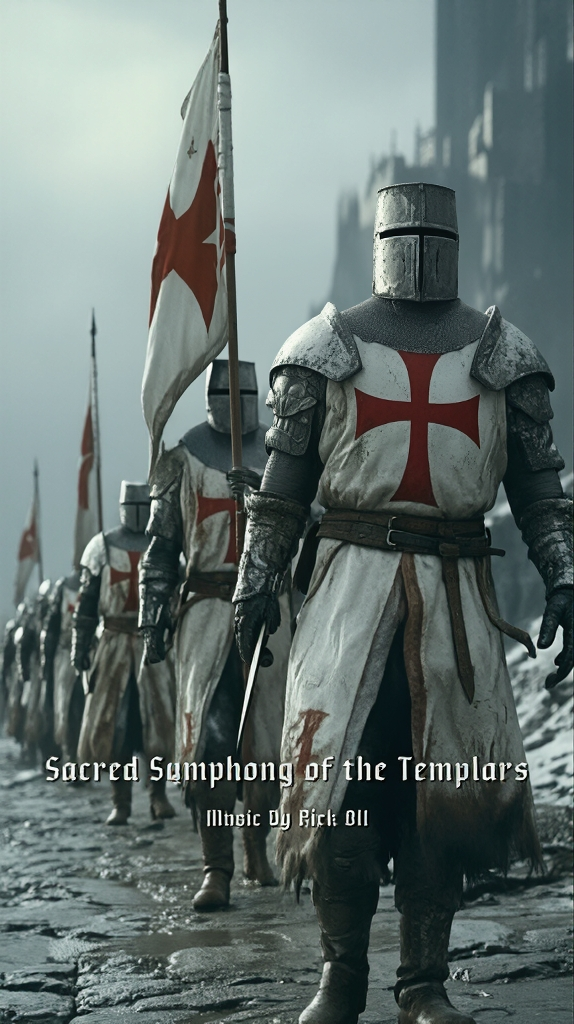
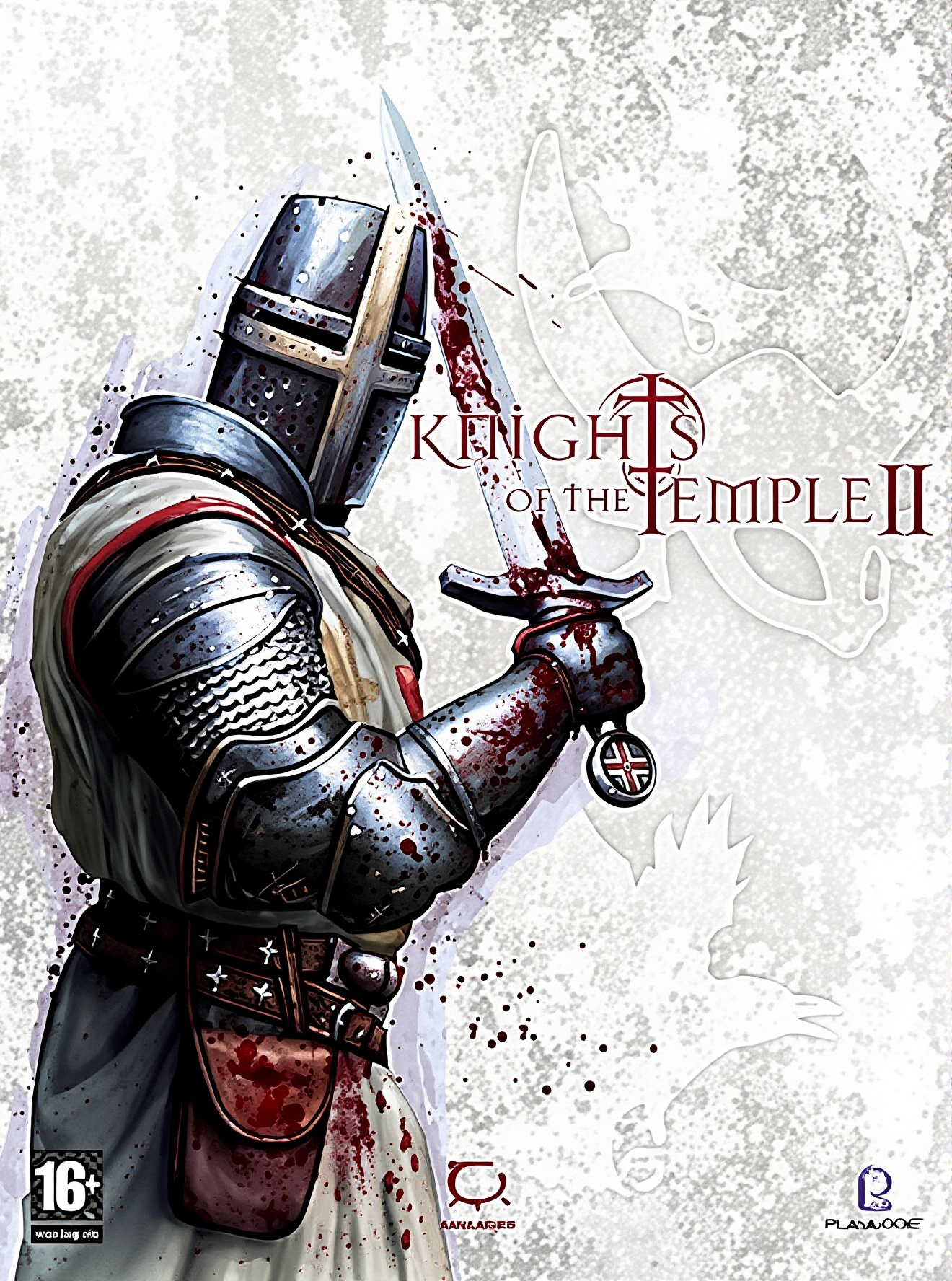
Knights of the Temple: Infernal Crusade is an action-adventure video game developed by Starbreeze Studios and published by TDK Mediactive Europe. It was released for GameCube, Windows, Xbox and PlayStation 2 exclusively in Europe in 2004. The ingame soundtrack was composed by Gustaf Grefberg with additional music provided by Within Temptation. A sequel, Knights of the Temple II, was released in 2005.
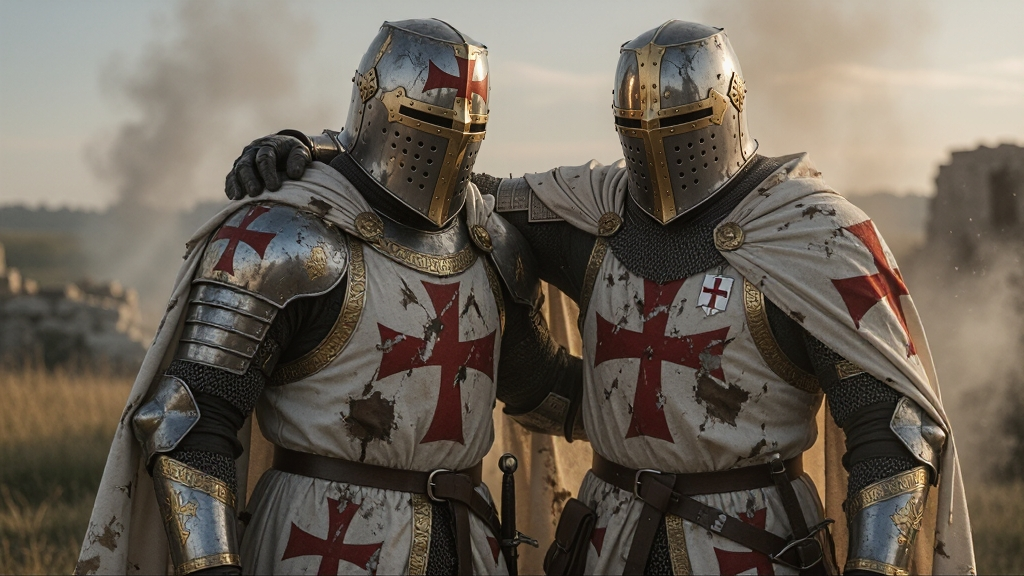
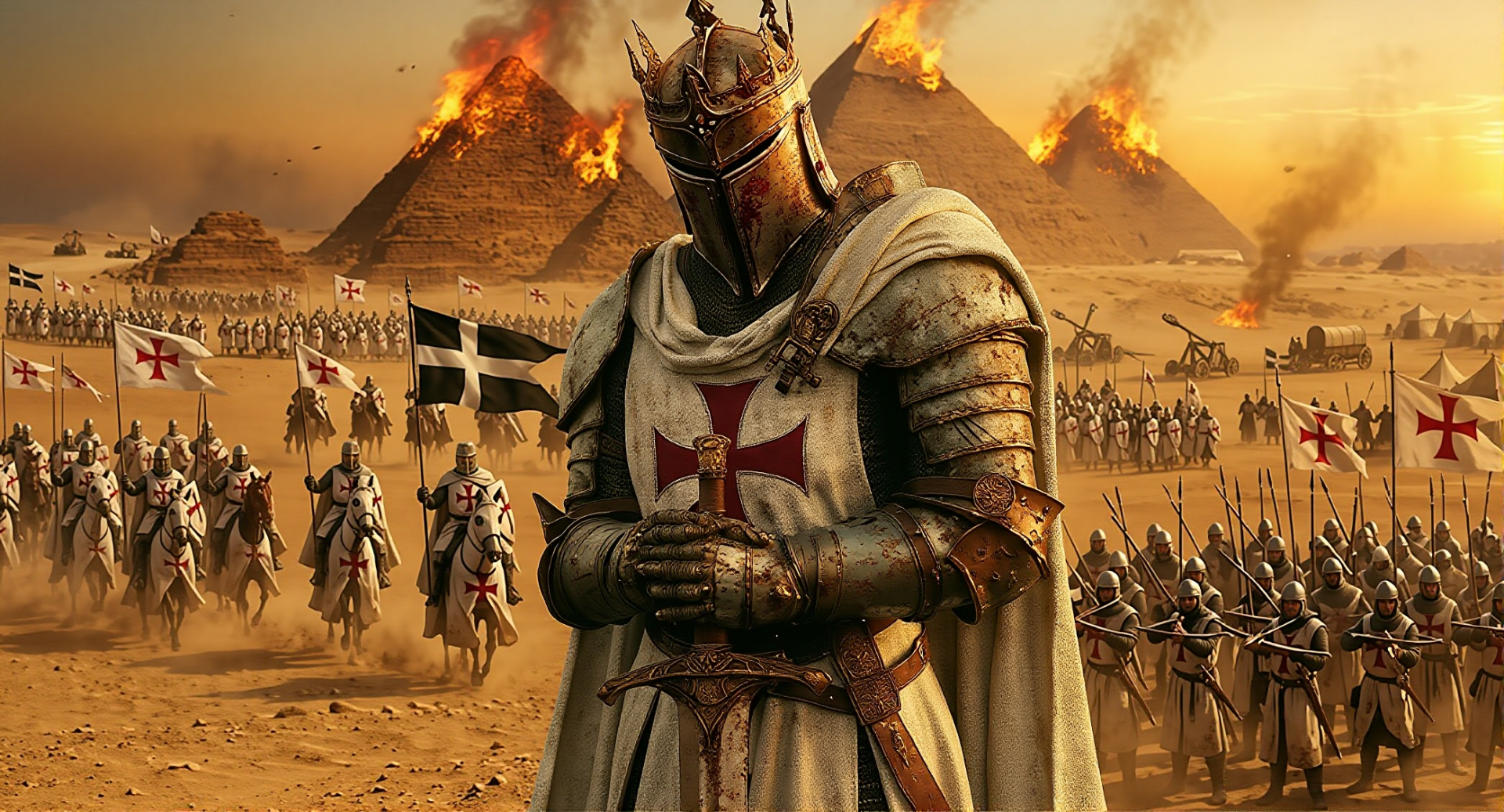
As A Collective Of Knights, the members of The Legion are so many things, in so many worlds, simultaneously.






Beyond The Ordinary
Li
Beyond the ordinary
Under a Blood Red Sky is a live mini-album by Irish rock band U2, produced by Jimmy Iovine and released on 21 November 1983. The record's eight tracks were compiled from three concerts during the group's 1983 War Tour, including two songs from their 5 June performance at Red Rocks Amphitheatre. The concert film U2 Live at Red Rocks: Under a Blood Red Sky, recorded at the same Red Rocks show, was released as a companion to the live album. Both releases helped establish U2's reputation globally as a renowned live act.
The Game (TG), as noted elsewhere, is a combination of many games played simultaneously. TG is a syncretic game - drawing elements from many different sources - that makes heavy use of metaphors for a factional gaming experience that uses the TG Story Arc.
Beyond The Ordinary
Sometimes, to avoid using capital N, that might be interpreted as a rotated Z, we use capital Pi
Π
instead.
The Order Of The Templars: 1st Discussion
The Knights Of The Temple and The Knights Templar refer to the same historical organization.
Official Name:
The Poor Fellow-Soldiers of Christ and of the Temple of Solomon (Latin: Pauperes commilitones Christi Templique Salomonici).
Common Names:
They were widely known as the Knights Templar (Les Chevaliers Templiers), the Templar Knights, or simply the Templars (Les Templiers).
Key Historical Facts.
Purpose:
Founded around 1119 to protect Christian pilgrims traveling to the Holy Land during the Crusades.
Structure:
They were a Catholic military order known for their distinct white mantles with a red cross.
Banking:
Besides fighting, they built a massive economic infrastructure, becoming early European bankers, managing nearly 1,000 commanderies and fortifications.
End:
The order was disbanded by Pope Clement V in 1312 under pressure from King Philip IV of France, who arrested many members in 1307 to seize their wealth.
While popular culture often uses Templar Knights to emphasise the fighting warriors, Templars was and is used interchangeably to refer to the entire order, which included both fighting knights and non-combatant support members.
The Knights Templar And Valencia.
End of the Order:
Although the Order was suppressed, the Knights in the Kingdom of Valencia were deemed innocent of charges in the Council of Tarragona. Their assets were largely passed to the newly created Order of Montesa.
The Order Of The Templars: 2nd Discussion
The Knights Templar, founded around 1118–1119 in Jerusalem by Hugues de Payens, was a Catholic military order dedicated to protecting Christian pilgrims in the Holy Land. Known for their white mantles with a red cross, they became a powerful, wealthy organisation until their suppression in 1312. They were organised as a monastic order with knights, sergeants, and chaplains.
Key Aspects of the Knights Templar Order.
Foundation & Purpose:
Founded to safeguard pilgrims on roads from robbers and bandits after the First Crusade. They received, as their headquarters, part of the Temple Mount in Jerusalem (formerly the Al-Aqsa Mosque), which gave them their name.
Organization:
The order was structured similarly to the Cistercian monastic order. Members took vows of obedience, poverty, and chastity, with an additional vow to fight in defense of Christians.
Military Role:
The Knights Templar were highly trained heavy cavalry and served as elite forces in many Crusades. They were known for their discipline, often forbidden from retreating unless ordered by a commander.
Wealth & Banking:
Through donations and a vast network of property across Europe, they became extremely wealthy. They operated as a military bank, allowing travelers to deposit money in one country and withdraw it in the Holy Land.
The Downfall:
By the early 14th century, the loss of the Holy Land, coupled with their wealth, drew the envy of King Philip IV of France. In 1307, many were arrested, tortured, and forced to confess to charges like heresy. The order was officially dissolved by Pope Clement V in 1312.
Modern Legacy:
While the original order ended, the Templar legend has survived for centuries. Various modern organisations, such as the Mark Masons Hall Knights Templar, include elements of Templar tradition, though they are distinct from the medieval institution.
Knights Templar UK And Overseas.
Note: Modern organisations claiming the title of Knights Templar (e.g., The Knights Templar UK or The Ancient and Noble Order of The Knights Templar) are charitable, self-styled chivalric orders, often focusing on community work and heritage rather than military activity, as described on their respective websites.
Beyond The Ordinary
In 1231, the Knights Templar were at the height of their power and influence, acting as a crucial international military and financial institution. During this specific year, their activities were heavily focused on expanding their landholdings, managing extensive agricultural estates (preceptories), and operating within the upper echelons of European politics, particularly in England and the Holy Land.
Key developments in 1231 regarding the Templars.
Rothley Temple, Leicestershire:
King Henry III formally granted the manor and church at Rothley to the Knights Templar in 1231. This enabled the establishment of a preceptory—a combined monastic house, farm, and administrative center—which grew to manage lands across 13 neighboring villages.
Expansion of Estates:
By 1231, the Rothley estate was already a significant landholder, including multiple mills, sheep grazing pastures, and local granges at Baggrave and Gaddesby.
The Church of England Connection:
The Templars were actively involved in ecclesiastical appointments, with records showing they appointed the first rector of the church in Buckinghamshire in 1231.
Royal Charters & Patronage:
King Henry III of England, concerned with the salvation of his soul, used charters in 1231 to solidify his patronage of the Templars and to promote commemorative practices at the Temple Church in London.
Growth in England's Capital:
The year 1231 marked the beginning of a golden era for the Temple Church in London. Because the Templars had already been serving as royal bankers and trusted diplomats, King Henry III and his Queen began expressing a strong desire to be buried there. This motivated the order to replace their small existing church with the grand hall church that still stands in London today, which was consecrated in 1240.
Leadership in Britain:
Robert Saunforde (or Sanford) was serving as the Master of the Knights Templar in Britain around this time, specifically from 1231 to 1247.
Yorkshire Activities:
The chapel of St. Andrew at Ribston (Yorkshire) was the subject of an agreement between the Templars and a local rector in 1231.
Contextual Significance (1231).
In 1231, the Order had not yet faced the downfall that came in 1307. Instead, they were established as a powerful entity that functioned as a safe haven for money, providing financial services for pilgrims and nobles while acting as a vital, military-disciplined force.
Major Sync For 1231.
The order was officially dissolved by Pope Clement V in 1312 ⳨(1231).
Fateful Friday
The most important date in the history of the Knights Templar is October 13, 1307. On this fateful Friday, King Philip IV of France orchestrated dawn raids across the country, arresting the Templars on fabricated charges of heresy. This event began the order's downfall and popularized the Friday the 13th superstition.The timeline of the Templars is defined by three other critical dates that shaped their rise and permanent erasure:
January 13, 1129:
The Council of Troyes officially recognized the Templars as a religious and military order by the Catholic Church, laying the groundwork for their rapid expansion.
March 22, 1312:
Pope Clement V officially disbanded the order at the Council of Vienne, succumbing to pressure from King Philip IV.
March 18, 1314:
The last Grand Master, Jacques de Molay, was burned at the stake in Paris, marking the tragic and definitive end of the Templars as a public entity.
Beyond the ordinary
This is where our journey begins. Get to know our business and what we do, and how we're committed to quality and great service. Join us as we grow and succeed together. We're glad you're here to be a part of our story.
Beyond the ordinary
Friday the 13th is a widely recognized Western superstition where the date is considered deeply unlucky, leading to the condition known as paraskevidekatriaphobia. The date occurs whenever the 13th day of any month falls on a Friday. It is also famously the title of the massive 1980s slasher horror franchise.
The Meaning Behind the Date.
Rooted in a blend of Christian and Norse mythology, the number 13 has long been associated with negative events. For instance, folklore points to there being 13 guests at the Last Supper (with Judas being the 13th), and Norse mythology features 13 gods at a dinner party before a catastrophic event. When a month's 13th falls on a Friday, it creates the perfect storm of unease in Western culture. Modern tradition has transformed the day into an event, with many tattoo shops offering special Friday the 13th discounted flash tattoo promotions.
The Horror Franchise.
Aside from the superstition, the date is heavily tied to pop culture via the Friday the 13th films. The iconic slasher series primarily focuses on the fictional, hockey-masked serial killer Jason Voorhees. The story originated at the fictional Camp Crystal Lake, where Jason was rumored to have drowned as a boy due to staff negligence. The franchise spans twelve films (including a 2009 reboot), as well as numerous novels, comics, and video games.
More Number Lore
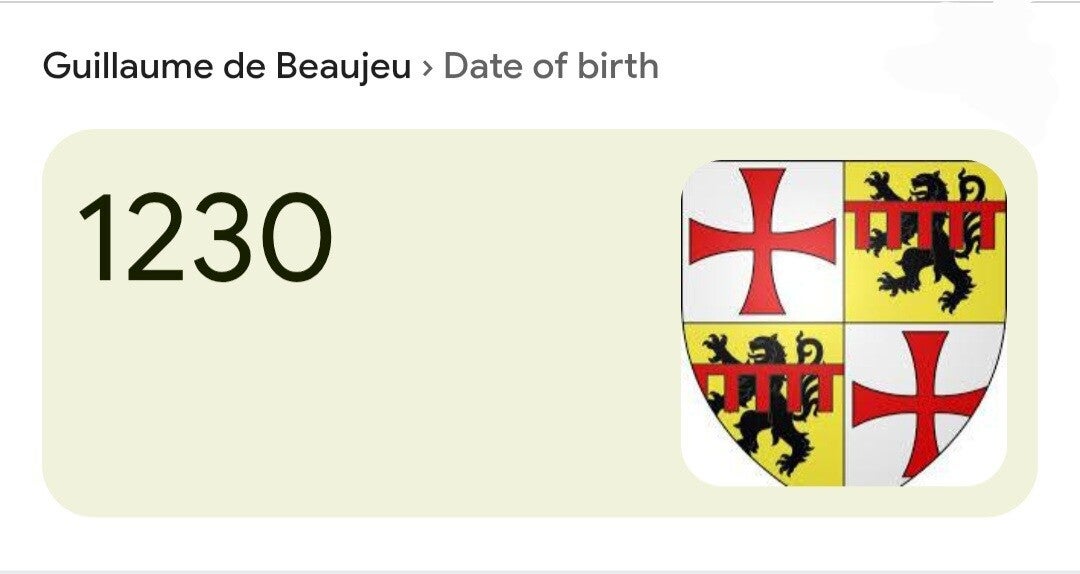
1230 is the number name of The 3 Core + 0 Brick (👁 A Book Of Numbers) used in QuBricks by A Templar Builder (such as myself).
Beyond The Ordinary
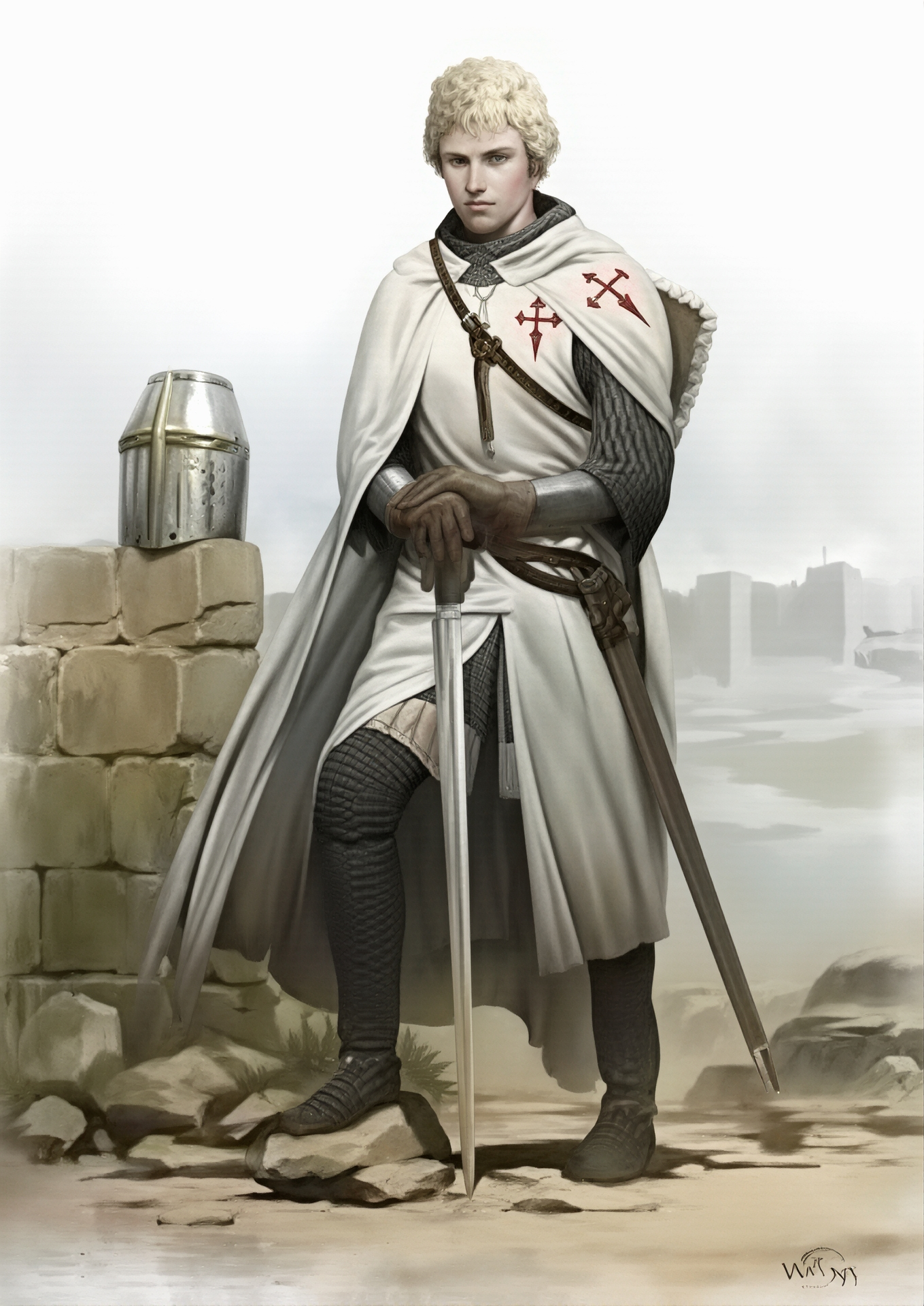
Estevao, Order Of Santiago.
This character is used in gaming and has been linked by some to William de Beaujeu. With his blonde hair, Estevao could be used as A Blue Aryan in mockery of Fascists and Fascism. Blue player aryans can, of course, have any combination of hair and eye colour. Really, master (game player) race status is primarily about Hearts and Minds; while there is, of course, nothing wrong with having superior physical attributes.
_____________________________________________________
The Order of Santiago is a real-life historical military order. It appears as a holy order or military unit in strategy games such as Crusader Kings III and Medieval II: Total War.
Fan Art/Original Characters:
There is a well-known piece of fan art on DeviantArt featuring an original character named Estevao, Knight of Santiago.
MMO Player Names:
In Final Fantasy XIV, players can choose their own names. There are players named Estevao or Esteves Estevao who belong to various Grand Companies in the game.
Historical Fiction:
The Order of Santiago is occasionally mentioned in discussions about Final Fantasy XIV’s Paladin lore due to the real-world historical parallels between knights and the game's jobs.
Beyond The Ordinary
Guillaume de Beaujeu, aka William of Beaujeu (c. 1230 – 1291) was the 21st Grand Master of the Knights Templar from 1273 until his death during the siege of Acre in 1291. He was the last Grand Master to preside in Palestine.
As William Of Barnard Castle, I am the present Grand Master (1409 1997 - present) of The Order Of Templars. I am also known as William Lucanus and (The) Priest Hyperion Of The Rosicrucian Order.
The Modern Order Of Templars (MOOT) is very strongly military. The Third World War has been with us since Cain slew Abel.
Beyond The Ordinary
Guillaume is the French form of the name William, originating from Old Germanic elements (willa will/desire + helm helmet/protection) to mean resolute protector or with gilded helmet. It is a traditional, masculine name often used in France and French-speaking regions. [👁 Ⓕ(3)]
Usage Examples & Context.
Historical:
Commonly used for knights and royals, such as William of Gellone (cousin to Charlemagne) or Guillaume le Conquérant (William the Conqueror).
Modern Usage:
Popular from the 1980s-90s, the name remains a common, classic choice in France, Belgium, and Quebec.
Cultural Context:
It is the standard French equivalent of the English William, often used in literary or historical references.
Synonyms & Variants.
English: William, Liam, Guy
German: Wilhelm
Spanish: Guillermo
Portuguese: Guilherme
Italian: Guglielmo
Occitan/Catalan: Guilhem, Guillem
The name conveys, prestige, and strength, frequently appearing among artists, leaders, and academics in French-speaking countries.
Beyond The Ordinary
William Temple was the 98th Archbishop of Canterbury, serving from 1942 to 1944. A renowned theologian and social reformer, he was also the son of a previous Archbishop of Canterbury, Frederick Temple.
Term: 1942–1944
Previous Roles: Bishop of Manchester (1921–29) and Archbishop of York (1929–42).
Key Focus: Known for his commitment to social justice and his 1942 book Christianity and Social Order.
_____________________________________________________
I am William Ignatius Temple (WIT) also known as William Ignatius Templar. I am The (present) ArcBishop Of Cantorberrys. I like to use my wit - my often blue sense of humour - while keeping my wits around me. 🙂
The name Ignatius (pronounced ig-NAY-shus) is a male given name of Latin origin. It most commonly means 'fiery' or 'ardent'.
Meaning and Origin.
The name's meaning has evolved through folk etymology — where a word's spelling is changed to match a similar-sounding word with a clearer meaning:
Original Root:
It likely came from the Roman family name Egnatius, which is of uncertain, possibly Etruscan origin.
Latin Influence:
Early Christians altered the spelling to resemble the Latin word ignis, meaning 'fire'.
Symbolism:
Because of its connection to fire, it is often associated with passion, zeal, and spiritual intensity.
Historical Significance.
The name is deeply rooted in Christian history, primarily due to two major saints:
Saint Ignatius of Antioch (d. c. 108 AD):
An early Christian martyr and bishop who wrote influential letters on his way to execution in Rome.
Saint Ignatius of Loyola (1491–1556):
A Spanish priest who founded the Jesuits (Society of Jesus). Interestingly, his birth name was actually Íñigo.
Variants and Nicknames.
Spanish/Portuguese: Ignacio, Inácio.
Italian: Ignazio.
German: Ignatz, Ignaz.
French: Ignace.
Nicknames:
Iggy, Nate, Nacho (for Ignacio).
Pop Culture Note.
In literature, the name is famously borne by Ignatius J. Reilly, the eccentric and bombastic protagonist of John Kennedy Toole’s Pulitzer Prize-winning novel, A Confederacy of Dunces.
Fun Fact: The word 'ignite' shares the same Latin root (ignis) as Ignatius.
A Confedaracy Of Dunces: a book by a Toole.
The book's title refers to an epigram from Jonathan Swift's essay Thoughts On Various Subjects, Moral And Diverting: 'When a true genius appears in the world, you may know him by this sign, that the dunces are all in confederacy against him'.
My paradigm book could have the akas MaD Thoughts On Various Subjects or Tov's Mad. Who is Tov? It's just another one of Will's names.
Beyond The Ordinary

Versus The Fly
Beyond the ordinary
Li