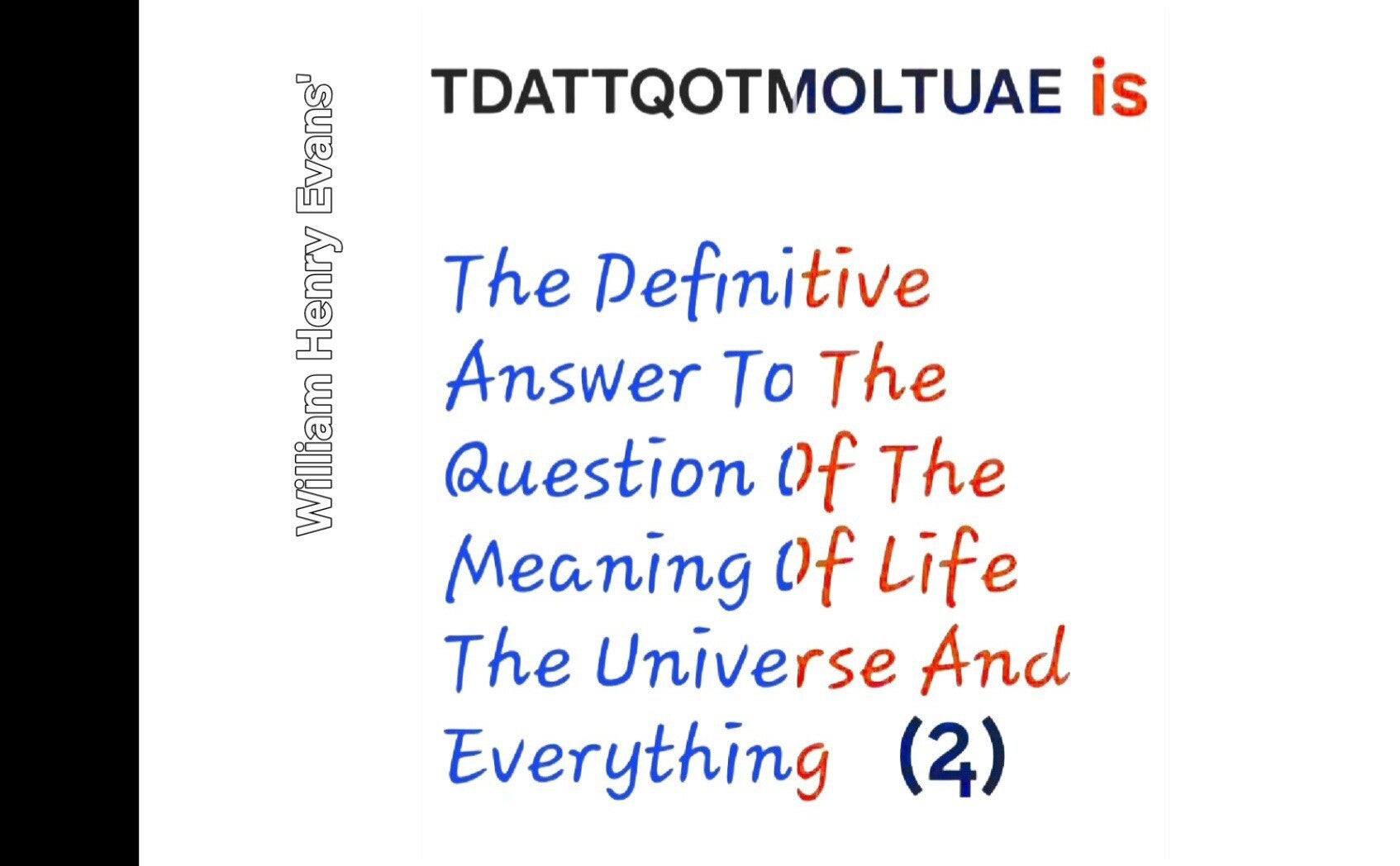
A Borg+ Cube
The Magic Cube below has sum of every horizontal or vertical line equal to TDATTQOTMOLTUAE =
Ꝝ
_____________________________________________________
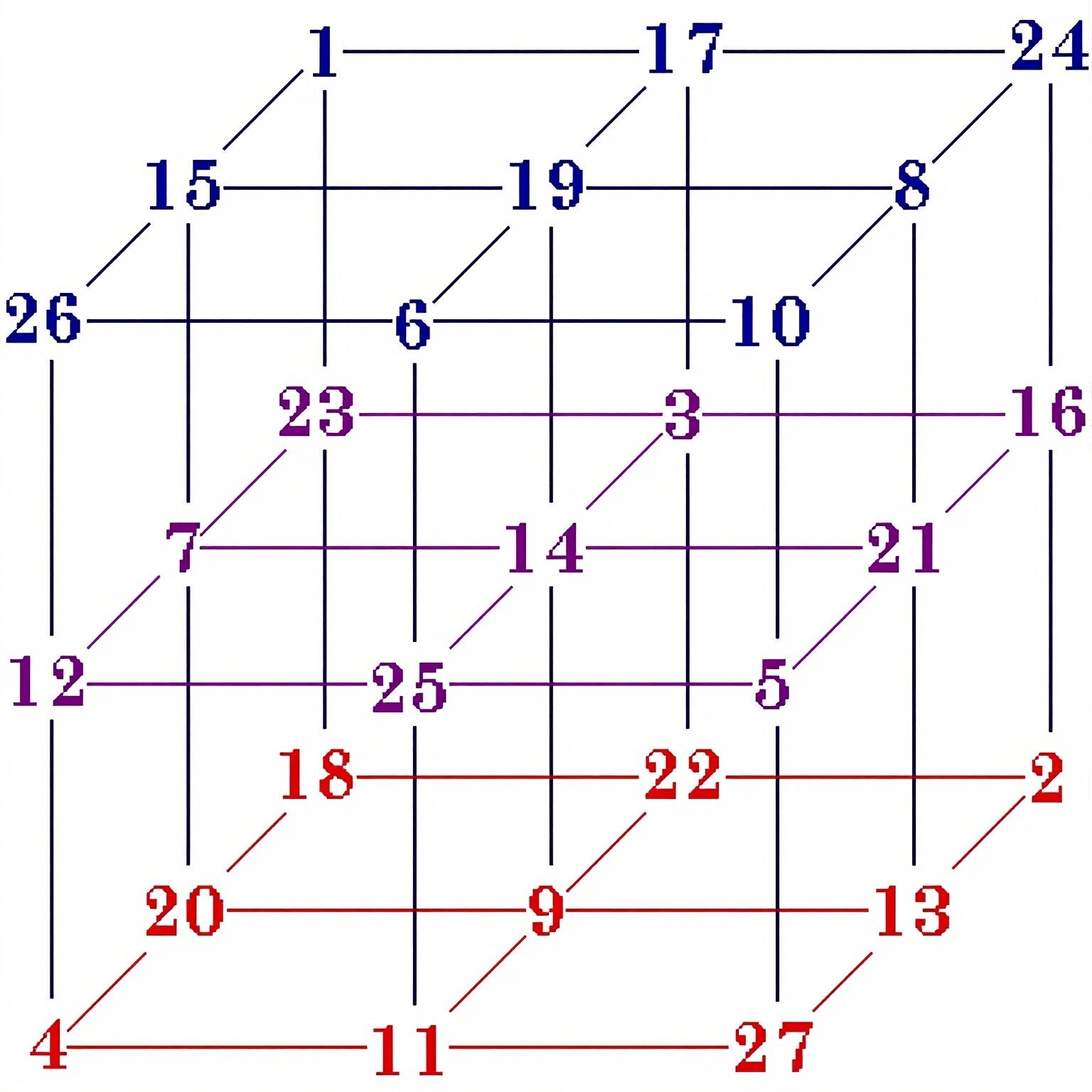
The Magic 42 Cube
For A T-Party
Depending on the specific technology and material density used, a crystal or glass piece the size of a sugar cube (roughly 1 cubic centimeter) can theoretically store anywhere from 1.25 gigabytes using older holographic concepts, up to hundreds of terabytes or even petabytes using modern 5D optical nanostructuring or quantum-inspired atomic defect trapping.
Crystal And Glass Storage Capacities.
Holographic Crystals (Early Models):
Early IBM and academic demonstrations estimated a sugar-cube-sized crystal could hold about 1.25 gigabytes of data via optical interference patterns, which could scale to 1 terabyte under ideal holographic memory configurations.
5D Optical Memory Crystals:
Developed using ultrafast lasers to carve nanovoids in quartz glass (similar to technologies researched by the University of Southampton Optoelectronics Research Centre or commercialized as 5D Memory Crystals), volumetric scaling suggests a cubic centimeter could hold tens to hundreds of terabytes. Scaled up to standard 12cm discs, they reach up to 360 TB.
Quantum-Inspired Atomic Gaps:
Recent research from institutions like the University of Chicago demonstrates packing terabytes of data into millimeter-scale crystals by trapping electrons at single missing atom defects. Scaled to a sugar-cube volume, this approach pushes theoretical limits into the petabyte range.
Key Characteristics Of Crystal Storage.
Longevity:
Data can survive for billions of years without power or degradation.Durability: Highly resistant to extreme heat (up to 1,000°C), magnetic fields, water, and cosmic radiation.