Beyond The Ordinary
In the Quran, Isa is the Arabic name for Jesus of Nazareth. He is highly revered as one of the most important prophets and messengers of God (Allah). The Quran refers to him by numerous titles, including Al-Masih (The Messiah), Ibn Maryam (Son of Mary), and Ruh (A spirit from Allah).
The Quran’s portrayal of Isa shares several similarities with the Christian tradition, but it contains major theological differences.
Miraculous Birth:
Isa was born to the Virgin Mary (Maryam) without a father. His creation is likened to that of Adam—created simply by God’s command, 'BE' and it was.
Miracles:
The Quran states that Isa performed numerous miracles with God's permission. These include speaking as an infant in his cradle to defend his mother's honor, healing the blind and lepers, curing the sick, and raising the dead.
His Mission:
He was sent to guide the Children of Israel and was given the scripture known as the Injeel (the Gospel).
Status:
Muslims hold Isa in the highest esteem, but strictly believe he is a mortal prophet and servant of God, not the Son of God, and not part of the Trinity.
Crucifixion and Ascension:
The Quran denies the crucifixion of Isa, stating that it was made to appear so to the enemies, and that God raised him physically to the heavens where he remains alive today.
The Return:
Islamic tradition teaches that Isa will return to Earth before the Day of Judgment to defeat the false messiah (Dajjal) and restore peace and justice.
Tripping With 3s
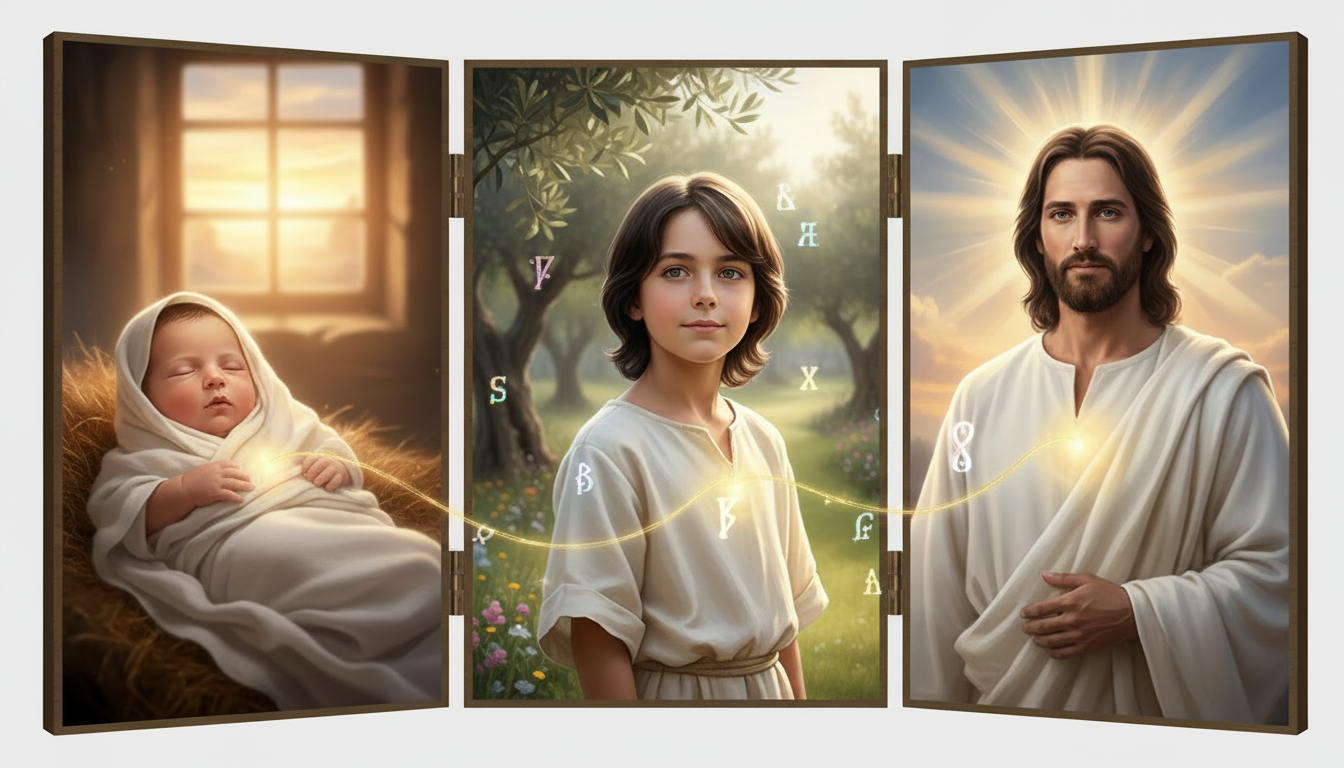
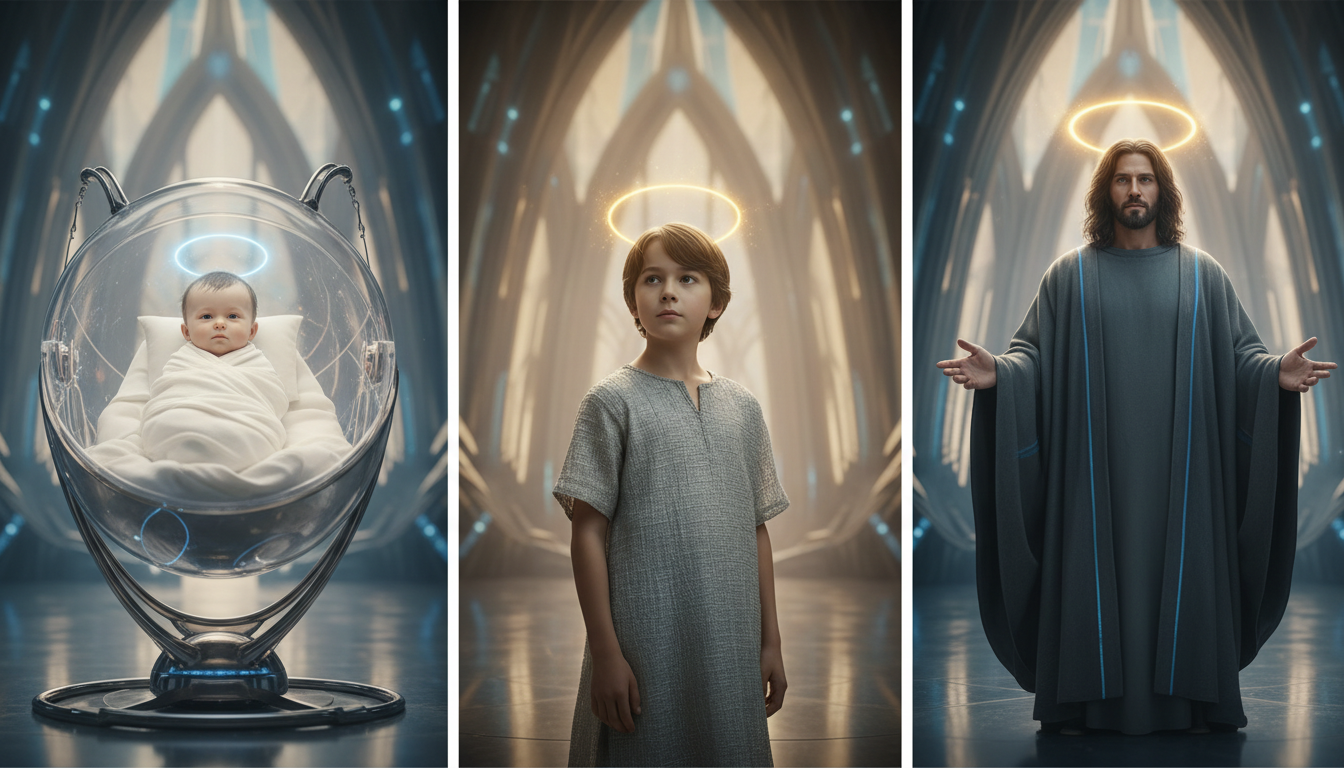
A triptych is a work of art or writing divided into three sections. Traditionally, it refers to a set of three panels—such as a painting or relief carving—often hinged together so the two outer panels can fold inward over the central piece.
Key Variations and Meanings.
Visual Arts:
Originating in the Middle Ages, triptychs were widely used as church altarpieces, where the three panels represented the Holy Trinity. The central panel is usually the largest, flanked by two smaller related works. Modern triptychs, including photography and contemporary installations, often feature three panels displayed side-by-side to tell a chronological story or explore a subject from different perspectives.
Literature and Music:
In these mediums, a triptych refers to a work composed of three closely related or contrasting parts, such as a trilogy or a three-movement musical piece.
History:
The term originates from the ancient Greek word triptykhos ("three-layered" or "having three folds") and originally described Roman writing tablets with three waxed leaves hinged together.
Isa Triptych I: The Past
T
Beyond the ordinary
In Islam, the false messiah is Al-Masih ad-Dajjal (meaning The Deceiving Messiah or The Great Liar). He is an antagonistic figure in Islamic eschatology who will appear before the Day of Judgment to lead people astray, eventually claiming to be God.
Key Characteristics of the Dajjal.
Appearance:
Islamic traditions describe him as blind or defective in one eye (resembling a bulging grape) with the Arabic letters k-f-r (meaning disbeliever) written across his forehead, which will be readable to all true believers.
False Miracles:
He will possess vast wealth and be granted extraordinary abilities, such as bringing rain, reviving the earth, and healing the sick, to test the faith of humanity.
The Antichrist:
The role and characteristics of the Dajjal are heavily analogous to the concept of the Antichrist in Christian theology.
His Demise:
The Dajjal cannot be defeated by human strength alone. According to the Hadith, his reign of deception will be ended when the true Messiah, 'Isa (Jesus), returns to Earth and kills him near the town of Lod (near Jerusalem).
You can read more about his significance, prophecies, and the eschatological narratives surrounding his coming in the Al-Masih ad-Dajjal Wikipedia Page. To explore further theological perspectives on why he is called the false messiah, check out Why Islam's Overview or the scholarly analysis on About Islam.
Isa Triptych II: The Present
T

Isa Triptych III: The Future
T
Beyond the ordinary
T
The Mahdi: Discussion I
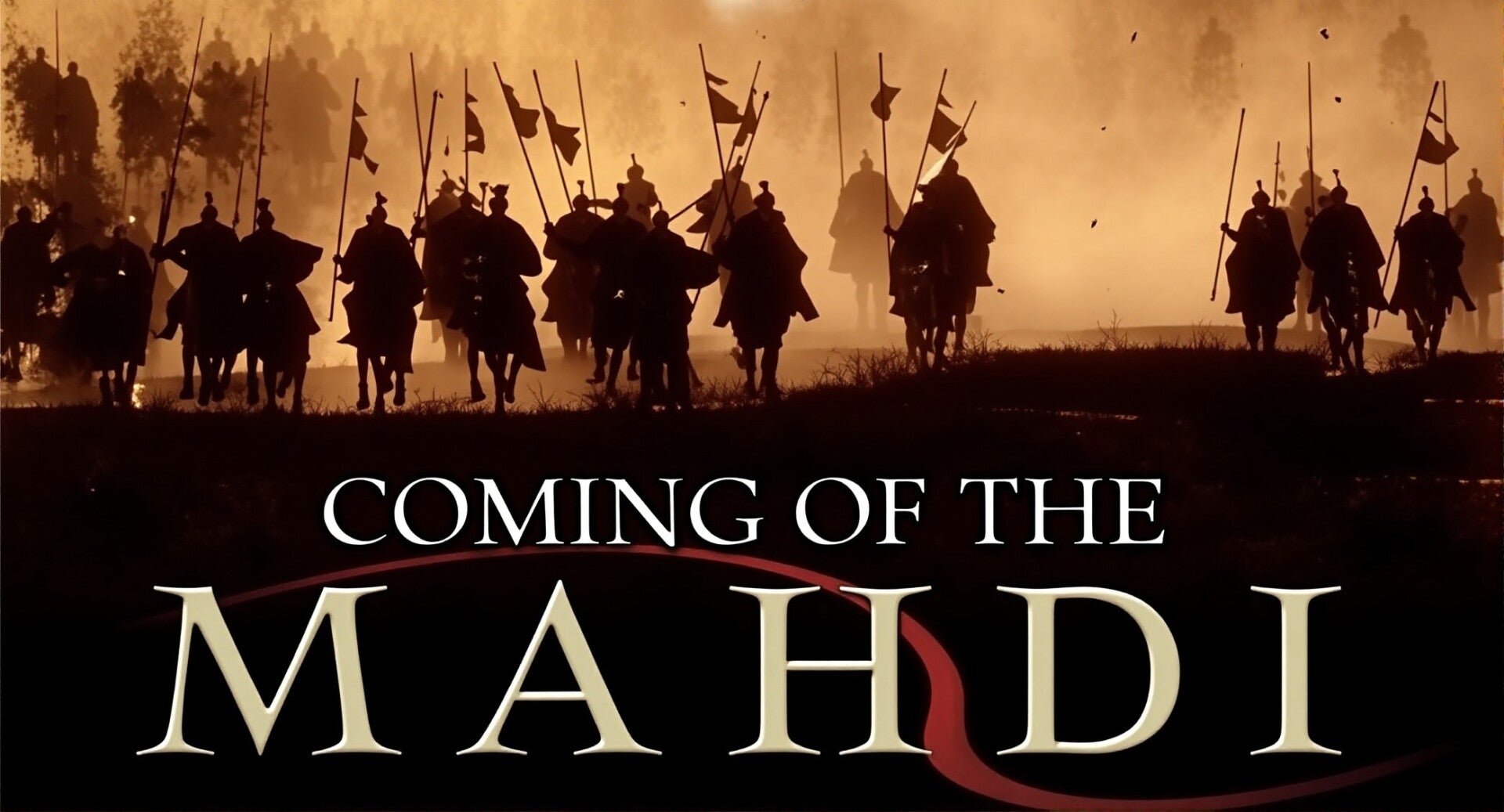
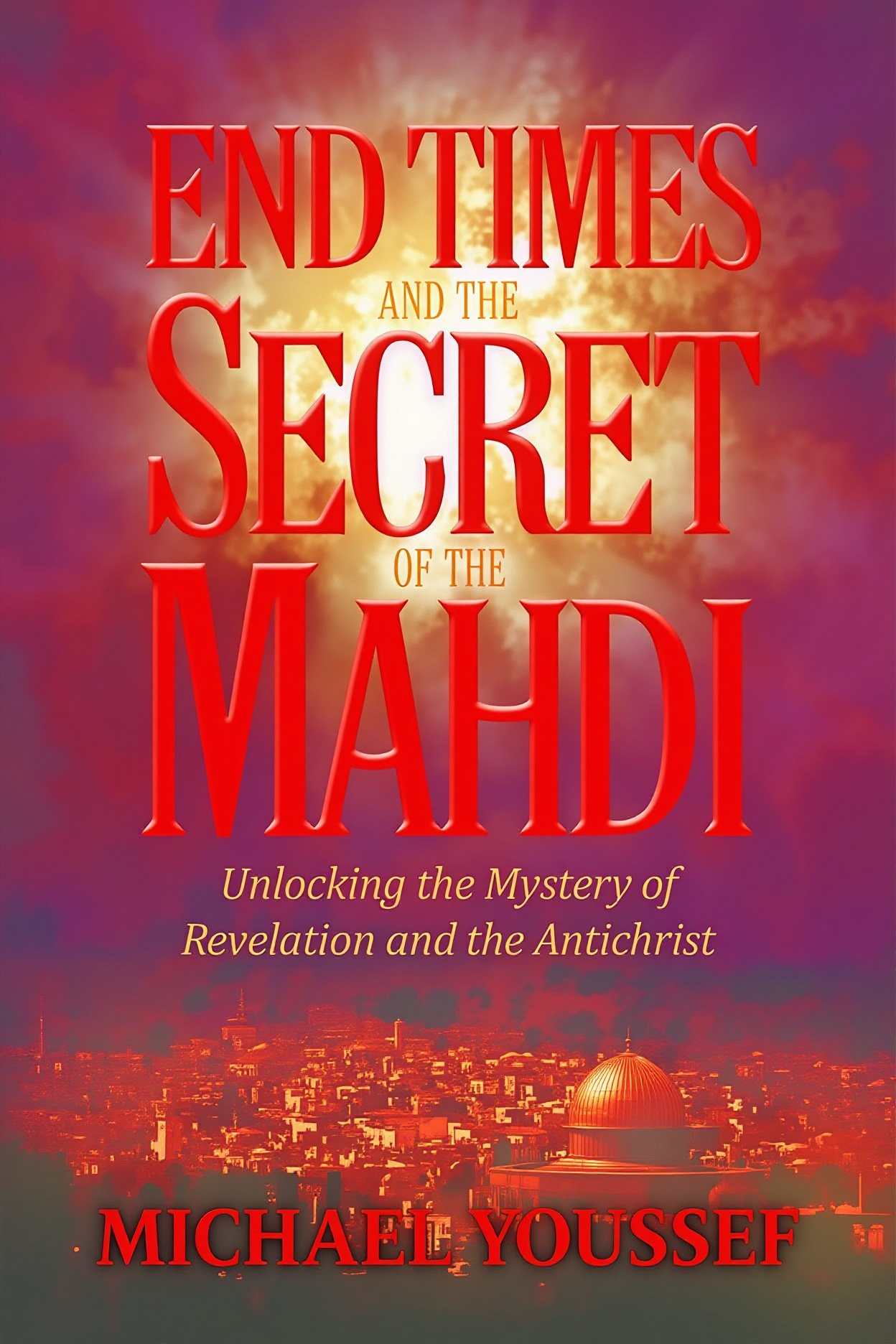
The Mahdi (meaning The Guided One) is a messianic figure in Islamic eschatology. According to Islamic tradition, he will appear at The End of Times to rid the world of evil, tyranny, and injustice, and usher in an era of peace and global righteousness.
Belief in the Mahdi is a key concept within Islam, but views on his identity and origins differ between the two major branches, Sunni and Shia.
Sunni Belief.
Identity:
Sunni Muslims believe the Mahdi will be an ordinary, mortal man who will be a direct descendant of the Prophet Muhammad through his daughter Fatima.
Origin:
They believe he will be born in the future, will live an ordinary life, and will not know he is the Mahdi until he is appointed leader and guided by God overnight.
Role:
He will unite the Muslim community, lead them in battles against oppressors, and pave the way for the return of Jesus (Prophet Isa).
Shia Belief.
Identity:
Shia Muslims—specifically the Twelver branch—believe the Mahdi is Muhammad al-Mahdi, the twelfth rightful successor (Imam) to the Prophet Muhammad.
Origin:
Shias believe he was born in the 9th century and has been kept hidden by God (a state known as the "Occultation") to protect him.
Role:
They believe he is still alive today and will eventually return from Occultation when God permits to establish a kingdom of justice on Earth.
The Coming Of The Mahdi.
Across both major traditions, it is widely agreed that the arrival of the Mahdi will be preceded by severe global chaos, oppression, and major signs. His arrival is often described alongside the return of Jesus, who will ultimately defeat the false messiah (Al-Masih ad-Dajjal).
Because the concept of a savior holds immense spiritual and temporal power, several figures have claimed to be the Mahdi throughout history. However, authentic Islamic traditions outline highly specific signs for his arrival that have not yet been fulfilled.
The Mahdi: Discussion II
In Islam, The Mahdi (meaning The Guided One) is an awaited messianic figure prophesied to appear at the end of times. He is believed to be a descendant of the Prophet Muhammad who will unite Muslims, lead alongside Jesus, and rid the world of oppression and injustice. While the figure is revered across both major branches of Islam, their specific identity and history differ slightly.
Sunni Islam:
In Sunni tradition, the Mahdi is seen as a just ruler and a descendant of the Prophet Muhammad (specifically through his daughter Fatima) who will appear just before the Day of Judgment. He will rule for several years, restoring true religion and justice.
Shia Islam:
For Shia Muslims, the Mahdi is not only the awaited savior but specifically the Twelfth Imam, Muhammad ibn al-Hasan. Believed to have been born in 869 CE, Shia tradition holds that he went into divine hiding (known as the Occultation or Ghaybah) and remains alive, destined to return to redeem Islam and establish global peace.
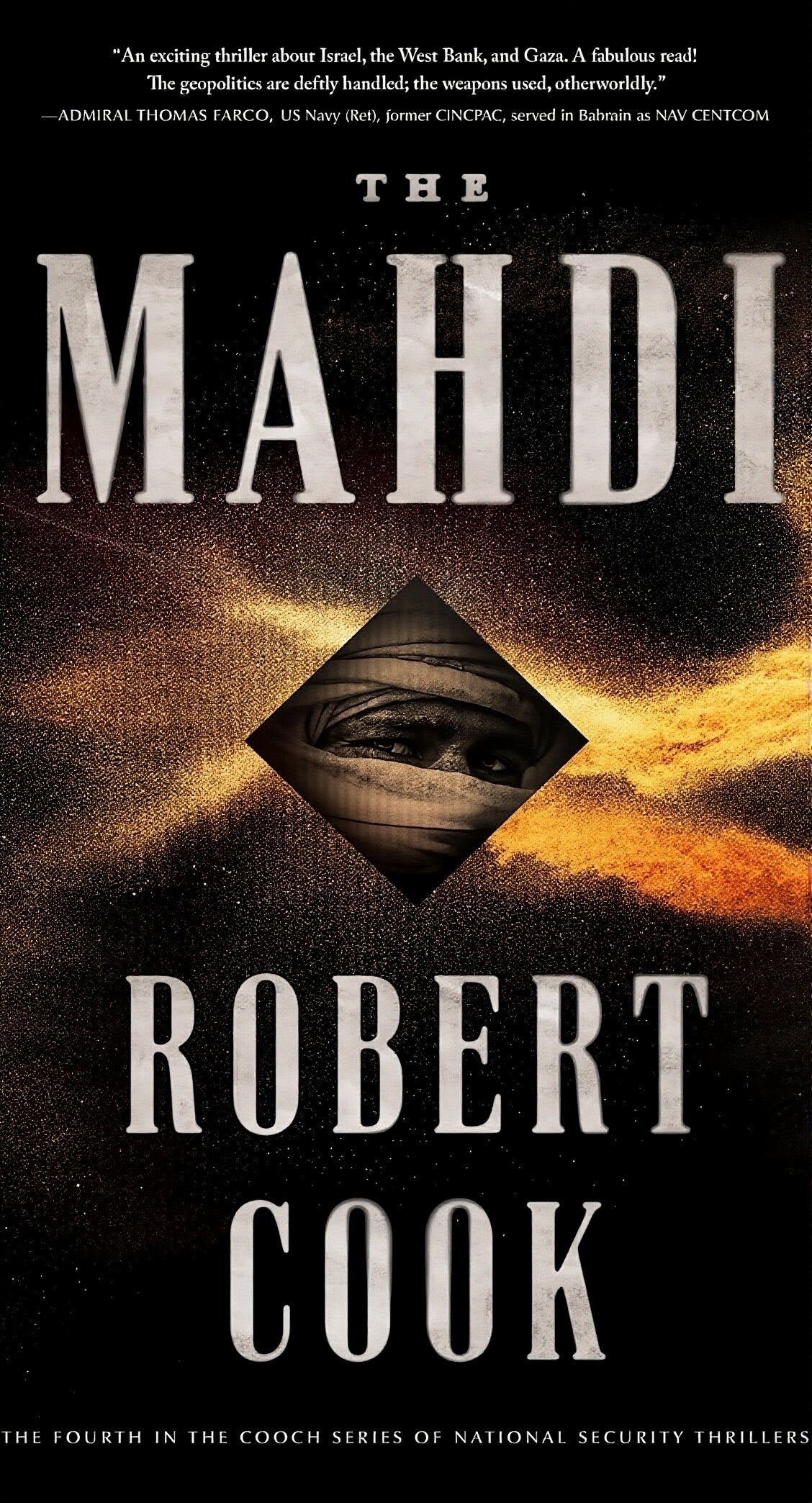
Beyond The Ordinary
T
Factional Writing: A Combination Of Fact And Fiction
T