Beyond The Ordinary
Analyst, Programmer, Operator
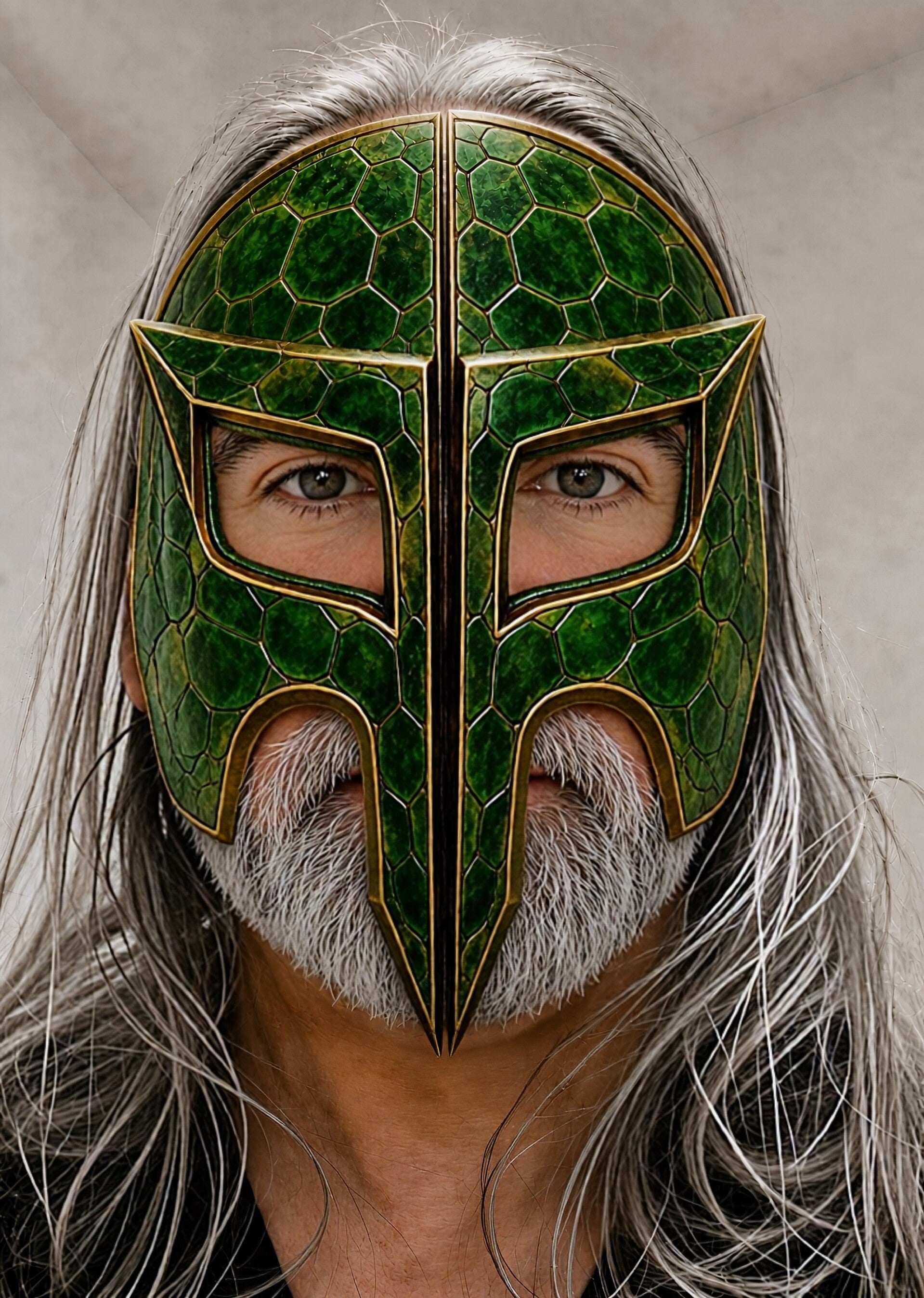
APO Terrapin - a MockTurtle
Beyond The Ordinary
Octal is a base-8 number system that uses only eight digits: 0, 1, 2, 3, 4, 5, 6, and 7. Instead of counting in tens like our normal decimal system, place values in octal increase by powers of eight. It is often used in computer science to group binary data.
How Octal Works.
Base 8:
Each digit position represents 8⁰ (ones), 8¹ (eights), 8² (sixty-fours), and so on.
Counting:
You count normally from 0 to 7. The next number after 7 becomes 10 (which equals 8 in decimal).
Binary Link:
Every single octal digit matches a group of three binary bits (000 to 111).
Common Uses.
File Permissions:
Users on Quora agree that Unix-like computer systems use octal numbers (like 755 or 644) to set file and folder access permissions.
Legacy Computing:
Older digital systems used base-8 math because it made reading long strings of computer code easier before hexadecimal (base-16) became the standard.
Digital Displays: Used historically in 12-bit, 24-bit, or 36-bit mainframe computers (like the PDP-8), where word sizes were easily divisible by three.
Including legacy computing in a Euclid system adds a highly desirable package of hardware and software.
Beyond The Ordinary
By The Third Temple, programmer Terry Davis meant that his custom-built operating system, TempleOS, was a literal, digital manifestation of the biblical Third Temple prophesied in the Hebrew Bible. Following a series of manic episodes and a diagnosis of schizophrenia, Davis believed he was receiving direct revelations and design specifications from God. He did not view the operating system as a metaphor or an art project; he saw it as a literal, holy digital sanctuary built out of code for humanity to interact with God.
The 'Divine' Specifications of the Temple.
Davis asserted that God dictated specific constraints for TempleOS to mimic the direct, simple nature of older computers like the Commodore 64.
Resolution and Display.
It was locked at 640x480 resolution with a 16-colour palette, which Davis claimed God told him was the explicit standard for His temple.
System Architecture.
It was designed with a single-threaded architecture and no memory protection. This kept the operating system entirely open, direct, and fast—unburdened by modern networking or complex safety layers—to maintain 'pure' communication.
No Internet Connectivity.
God explicitly forbade networking in the OS to prevent corruption from external systems.
Key Features of the Digital Sanctuary.
To make it a functioning temple, Davis built several biblical elements directly into the OS from scratch over a decade.
HolyC:
He invented an entirely new programming language called HolyC (a variation of C and C++) specifically to author the system.
The Oracle:
He included a built-in text generator or "oracle" that spat out randomised text. Davis claimed that if a user asked a question, God would alter the random generator to speak directly back to them through the computer.
Biblical Mini-Games:
The system included custom 3D games and flight simulators created by Davis, such as After Egypt, where players virtually climb Mount Sinai to converse with God.
While many in the tech world view TempleOS as a manifestation of tragic mental illness, it is also widely praised by programmers on forums like Reddit as a staggering, solo software engineering achievement.
The Golden Number: (+ or -)[2 To The Power Of 7]
A system for displaying Mocktal Numbers is discussed further down this page.
Beyond The Ordinary
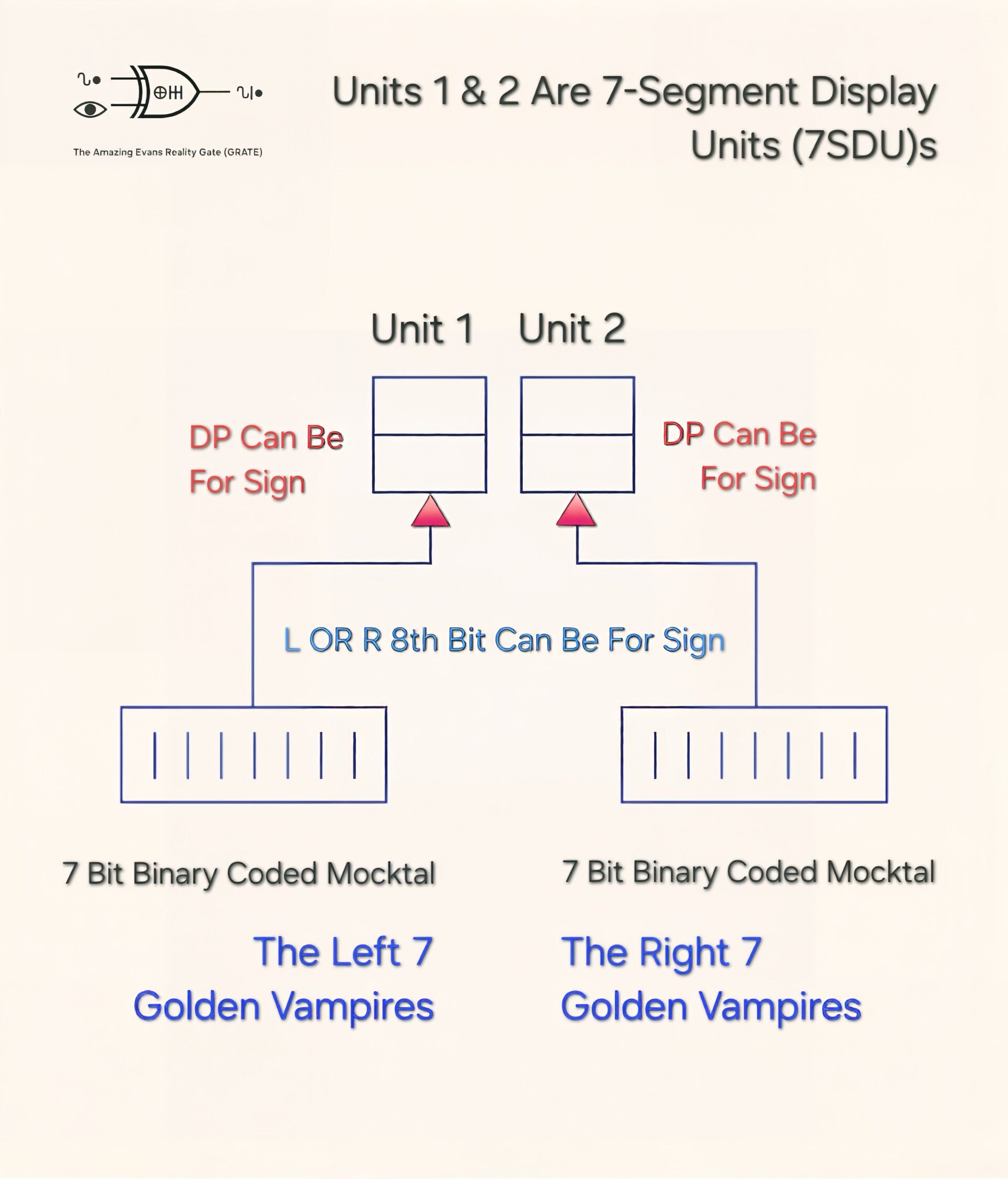
For the purposes of psyclone (an alternative word to cortex) mathematics, I often call the psyclonic system of n times 7 binary/mocktal bits (for n times 0 to 127) Mocktal. This is in honour of the Lewis Carroll character The Mock Turtle. Mock can mean false - in the sense not proper or usual etc. Mocktal uses powers of 2 not 8. With the word mocktal, there is also a connection to the programming language (and APO [Analysis, Programming and Operation]) environment of) LOGO.
Considering only a one digit mocktal number, the three bits of a mockboc (a mock version of Binary Coded Octal [BCO]) number can be used to illuminate the segments of a 7-segment display unit (7SDU) such that every mocktal bit (a power of 2) is associated with one, unique, segment. In order to be able to display every number from 0 to 127 on a single 7SDU, 7 mockboc nibblednibbles (or tribbles) [21 mockboc bits] are required.
While it can be used for 2^7, the 8th binary bit of mocktal is often used for parity or binary indication of positive or negative, blue or red (metaphorically), black or white (metaphorically), Yin or Yang etc.
Beyond The Ordinary
Logo is a programming language that was created in 1967 that was a fairly popular teaching tool in the 80s. It has taken on many forms, appearing on platforms such as the IBM, Commodore 64, MSX, Atari, and Apple II computers. Variants of Logo have been used to guide robots and build shit with Legos. It is still around today, but it is largely defunct. Although it bills itself as a programming language, Logo is really more of a CAD. By inputting text commands into a prompt, the user moves a triangular cursor known as a turtle around the screen to create squares, circles, and other shapes that can be made in Microsoft Paint in much less time. There have been dozens of version of Logo, each with slightly different commands and interfaces. This was even true on a single platform. The Apple II offered versions such as Apple Logo II, Terrapin Logo, and LogoWriter. [Sic]
Beyond The Ordinary
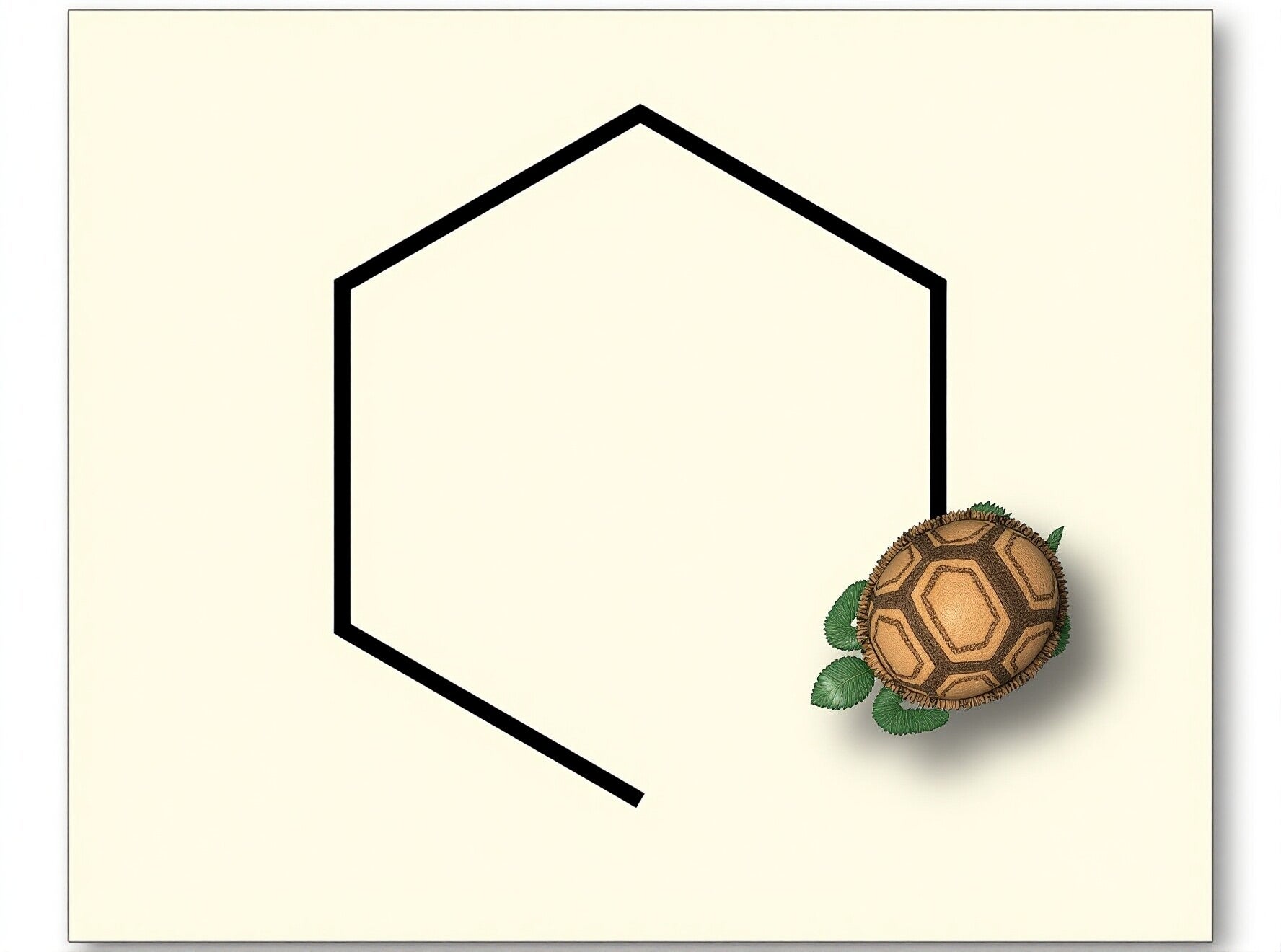
The (Terrapin Ψ) Mock Turtle building an hexagonal wall [checkout The Terrapin Masks above and below] (A ᗯᗩ⎳⎳ ᗝᖴ ᗯᕼᗴ@) in Flat World.
Ψ = stylised V+I (Roman numerals) = 6
Beyond The Ordinary
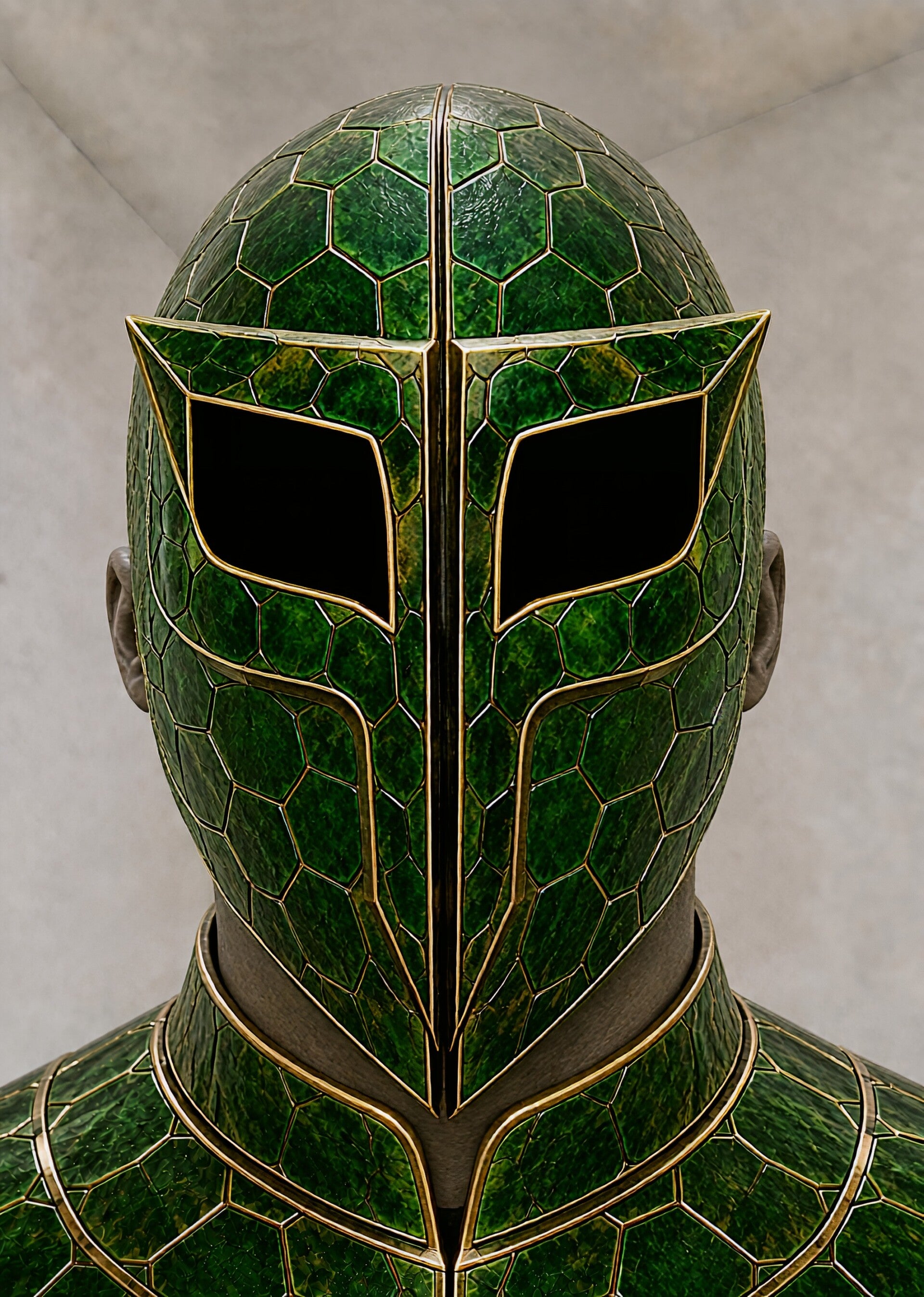
The HALO Connection
The Game can be thought of as an 'all in' version of any game such as HALO.
Beyond The Ordinary
The Mock Turtle is a famous, melancholic character in Lewis Carroll's 1865 book Alice's Adventures in Wonderland. He has the body of a turtle and the head, hooves, and tail of a calf, referencing the real Victorian dish 'mock turtle soup' which was made from calf meat.
Character And Role.
Appearance:
Depicted with a turtle shell and flippers combined with a calf's head and feet.
Personality:
Deeply sad and sentimental, constantly sighing and weeping over his lost youth.
Companion:
Always seen with the Gryphon, who guides Alice to him.
Famous Stories And Songs.
School Days:
Tells Alice about his deep-sea school where they learned subjects like reeling and writhing, stretching, fainting in coils, and ambition.
The Lobster Quadrille:
Sings the famous song about the sea-creature dance and Beautiful Soup.
Beyond the ordinary
Considering numbers with 216 digits is an important part of operating a Euclid system. One way to represent the digits is on a row of 7-segment display units.
100, 8, 20 (cento, octo, vigesimal)
The base-128 number system (formally known as centoctovigesimal) is a positional numeral system that uses 128 unique symbols to represent values, where each digit - in position - is a multiple of a power of 128.
While rare in everyday life, base-128 is highly vital in computer science through a specialised format called LEB128 (Little Endian Base 128), which is used to compress numbers and save storage space.
The Base:
128 is a perfect power of two (2⁷), making it incredibly easy to translate to and from binary systems.
Digits:
A single base-128 digit represents a value from 0 to 127.
Place Values:
The columns in base-128 expand right-to-left by powers of 128:
... 128² (16,384), 128¹ (128), 128⁰ (1)
So, [9][15][6] = 9×16384+15×128+6×1.
Real-World Applications.
LEB128 EncodingIn standard computing, storing a small number like 5 in a 64-bit integer wastes 61 leading zeros. Computer systems use LEB128 to break integers into 7-bit chunks and package them into standard 8-bit bytes.The architecture splits every byte into two specific parts.
7 Bits (Payload):
Stores the actual base-128 numerical digit data.
1 Bit (Continuation Flag):
The highest bit (8th bit) acts as a signal. If it is 1, another byte follows. If it is 0, the number is complete.
Where Is It used.
Google Protocol Buffers (Protobuf):
For highly efficient data serialization.
WebAssembly (.wasm):
To reduce binary file sizes for fast web loading.
DWARF Debugging Format:
To compress hardware debugging data in compiled software.
Android Dex Files:
For optimizing space in mobile application executables.
In Qu, mocktal indicates base-128 and is another name for centoctovigesimal.
Beyond The Ordinary
Synchronicity: to display all 8 digits (0 - 7) of the mockboc (mock binary coded octal) number system on a single multisegment unit requires exactly 7 segments. This is the same number of segments required for binary, octal, denary (the familiar base-10 system), hexadecimal etc. number systems.
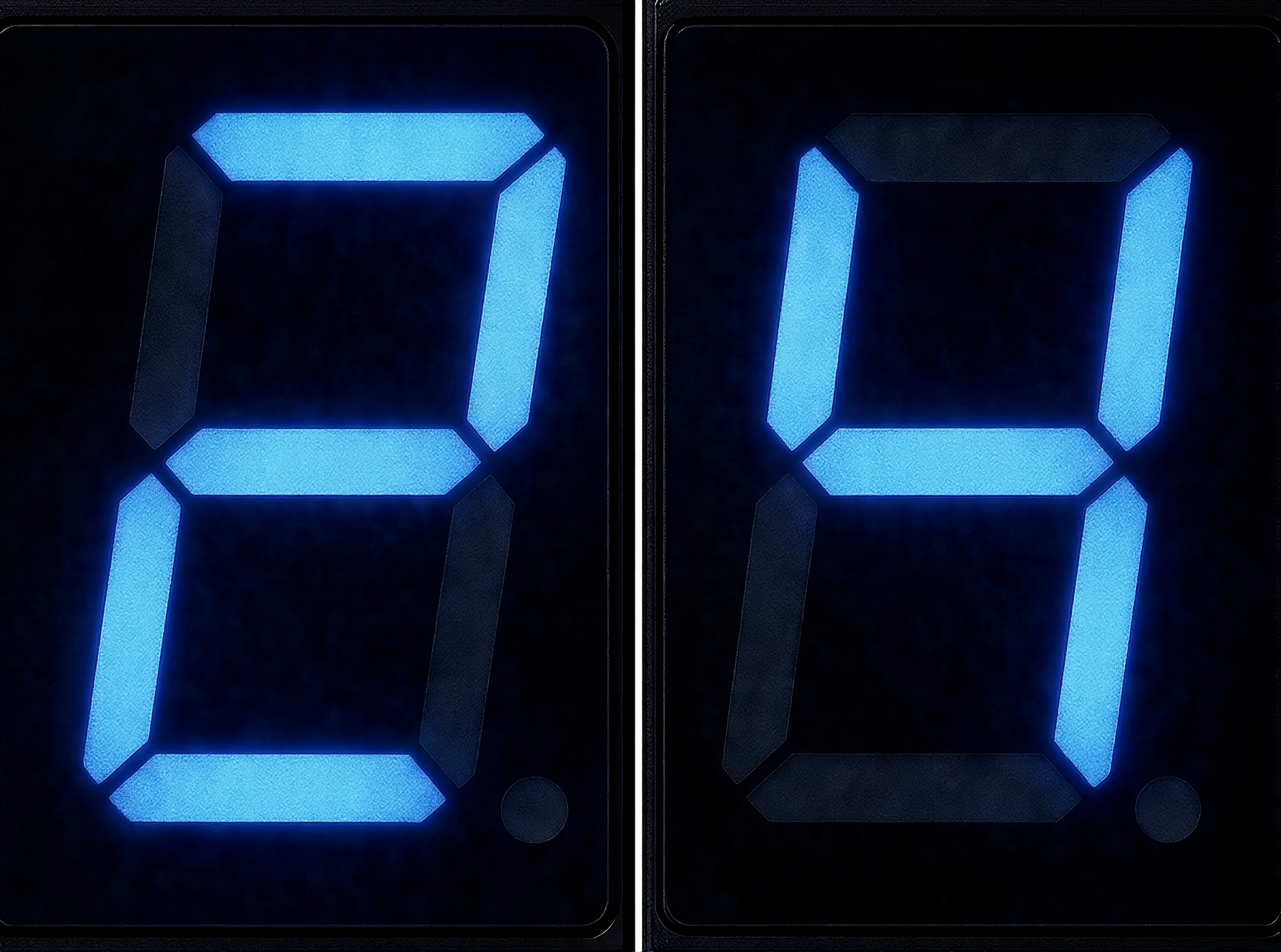
>TDATTQOTMOLTUAE on a 7-seg display unit.
TDATTQOTMOLTUAE< = Ꝝ< (Ꝝ read right to left) = 42. >TDATTQOTMOLTUAE = >Ꝝ (Ꝝ read left to right) = 24.
24 here is an example of a mockdecimal number ie. in order to obtain the numerical (decimal) value of the number, you need to treat it as a mocktal number using the segment designations given on the panel below. In this case, we find that the mocktal value of 24 as a mockdecimal number (a number that looks decimal but needs to be interpreted as a mocktal number) equals 2^0+2^1+2^2+2^3+2^6 (1st/left digit) plus 2^2+2^4+2^5+2^6 (2nd/right digit). So, 1st digit (2) = 79 and 2nd digit (4) = 114.
79 = ΞΧΞ+1 ie. 79 is OBOE ΞΧΞ and 114 = 2x57 = ᘯ℧ = ᔐ (since 57 = ᘯ and ᘯ can= ℧).
The number ΞΧΞ is discussed below.
Beyond The Ordinary
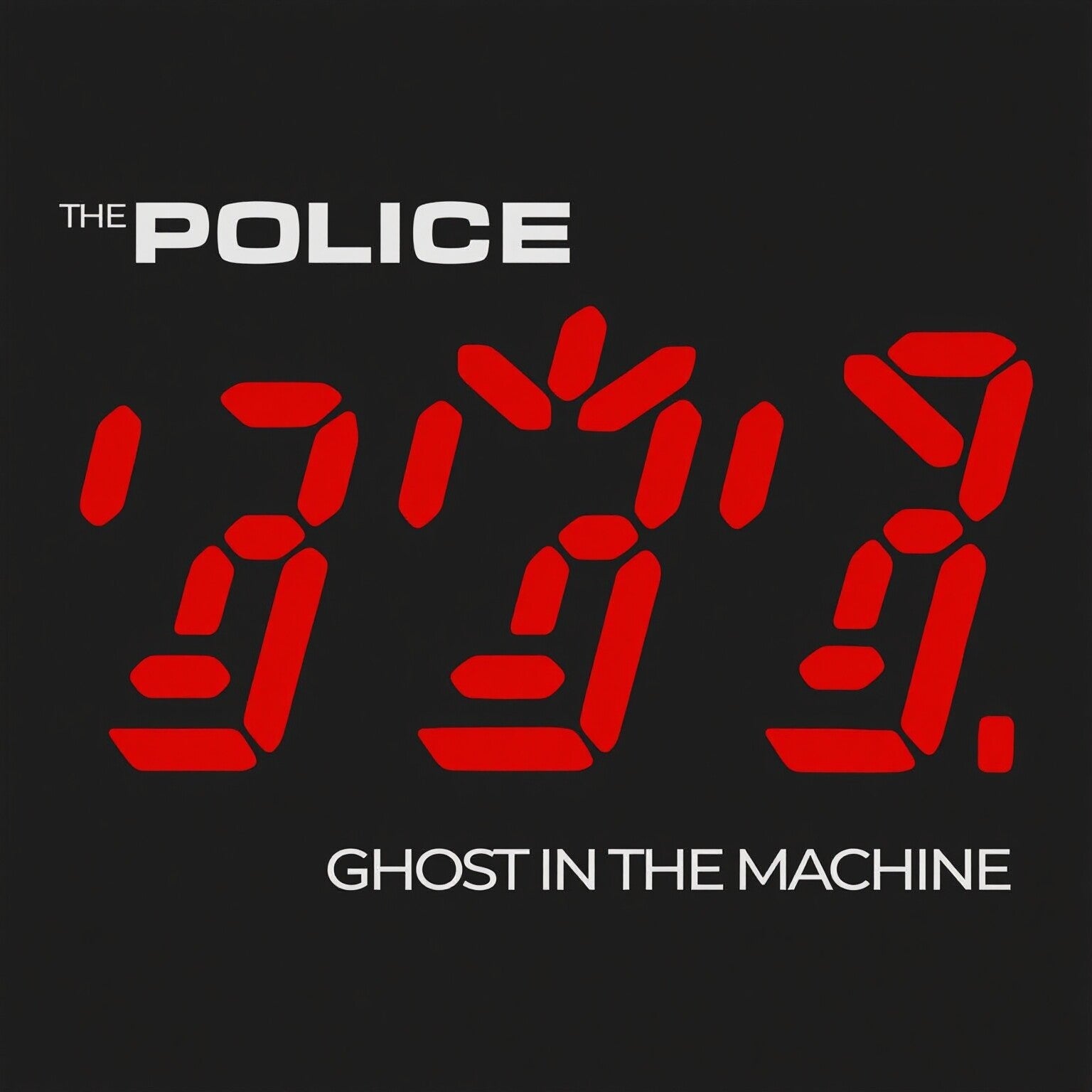
If you use the first three bits of a hexadecimal number (you can think of a mockboc number that way [it's a nibblednibble (or a tribble) - a nibble minus 1 bit]) to illuminate appropriate segments of a 7SDU, you get something like one of the figures on the cover of a well known album by The Police. The decimal point of a 7-segment display unit is, in this mockbocmocktal system [a system that uses both mockboc (used to address display segments) and mocktal numbers], often used for parity.
If you like, you can use the 4th bit of a mocknibble to implement a full hexadecimal display system by using the decimal point for 2^3.
A third possibility for the dot segment is as a binary indicator for positive or negative, blue or red (metaphorically), black or white (metaphorically), Yin or Yang etc.
Beyond The Ordinary
T
Beyond The Ordinary
T
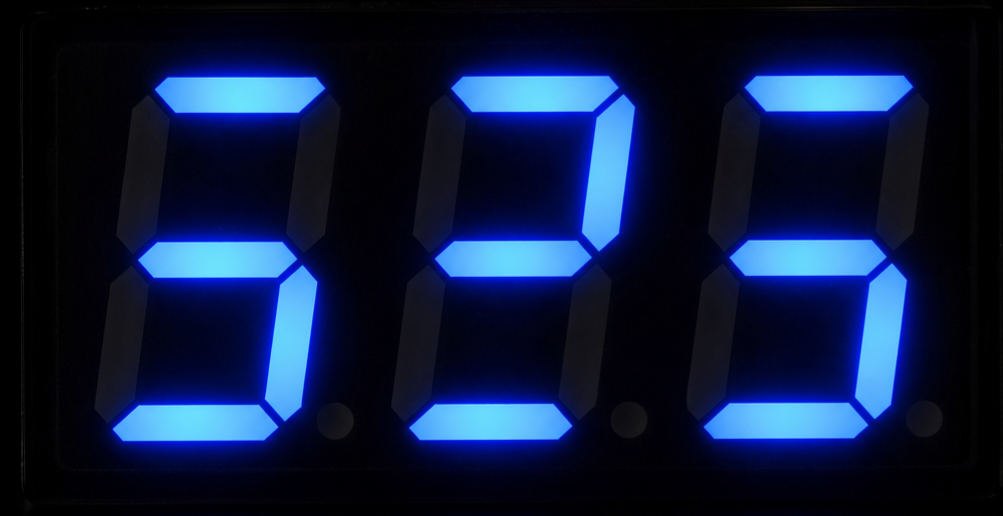
Beyond The Ordinary
Here, I've gone for quite an orderly display. Numbers build from the button up. The figure below shows the powers of two associated with the 7 segments of a display unit in order to display mocktal numbers.
2
5 6
1
3 4
0
Considering the mocktal (centoctovigesimal) number below, we have Unit1 (right) displays 2^0+2^1+2^2+2^4 = 1+2+4+16 = 23. Unit2 (middle) displays 2^0+2^1+2^2+2^6 = 1+2+4+64 = 71. Finally, Unit3 (left) displays (the same as Unit1) 23. So, total = 117.
7(Ξ)+2^4 7(Ξ)+Χ 7(Ξ)+2^4
My GHOST IN THE MACHINE Number. ΞΧΞ+Ꝝ+3
An Occult Secret
The assignment of powers of 2 to the segments of a 7SDU for displaying mocktal numbers on this page (and the choice of mocktal 117) is somewhat arbitrary and is for example purposes only. The actual assigments used for Temple purposes is a guarded secret.
ΞΧΞ & ΞΧΞ+Ꝝ & ΞΧΞ+Ꝝ+3
Note that the X of ΞΧΞ can be thought of as joining the top and bottom segments of two 7-segment display units. Therefore, when using the above mocktal system, one interpretation of X is 2×4 + 2×1 = 10 - which agrees with Roman numerals.
117 + T101
To get 216 from 117, a Cyberdyne Systems Machine might add the strange number [+101-](call it SN101), whose 1st digit is positive 1 and whose 3rd digit is minus 1. 117 +[+101-] = (1+1)+(1+0)+[7+(-1)] = one value of pye (contextual interpretation required [cir]) = 216.
Since, Π = pye, Π = 216 or 124 (127-3). The digits 124 can be used to construct Ꝝ (as a visual object).
Sum Sums And Differences
Using the segment designations from above, we note that the sum of the 2 lower vertical segments is 3+4 = 7 and the sum of the upper 2 vertical segments is 5+6 = 11. The difference of these two numbers is ∴ V = 4. Similarly, we note that the sum of the lower 2 horizontal segments is 2+1 = 3 and the sum of the upper two horizontal segments is 4+2 = 6. The difference of these two numbers is ∴ H = 3. So, with the given designations, V is equal to the number of vertical segments in a 7SDU and H is equal to the number of horizontal segments.
Beyond The Ordinary
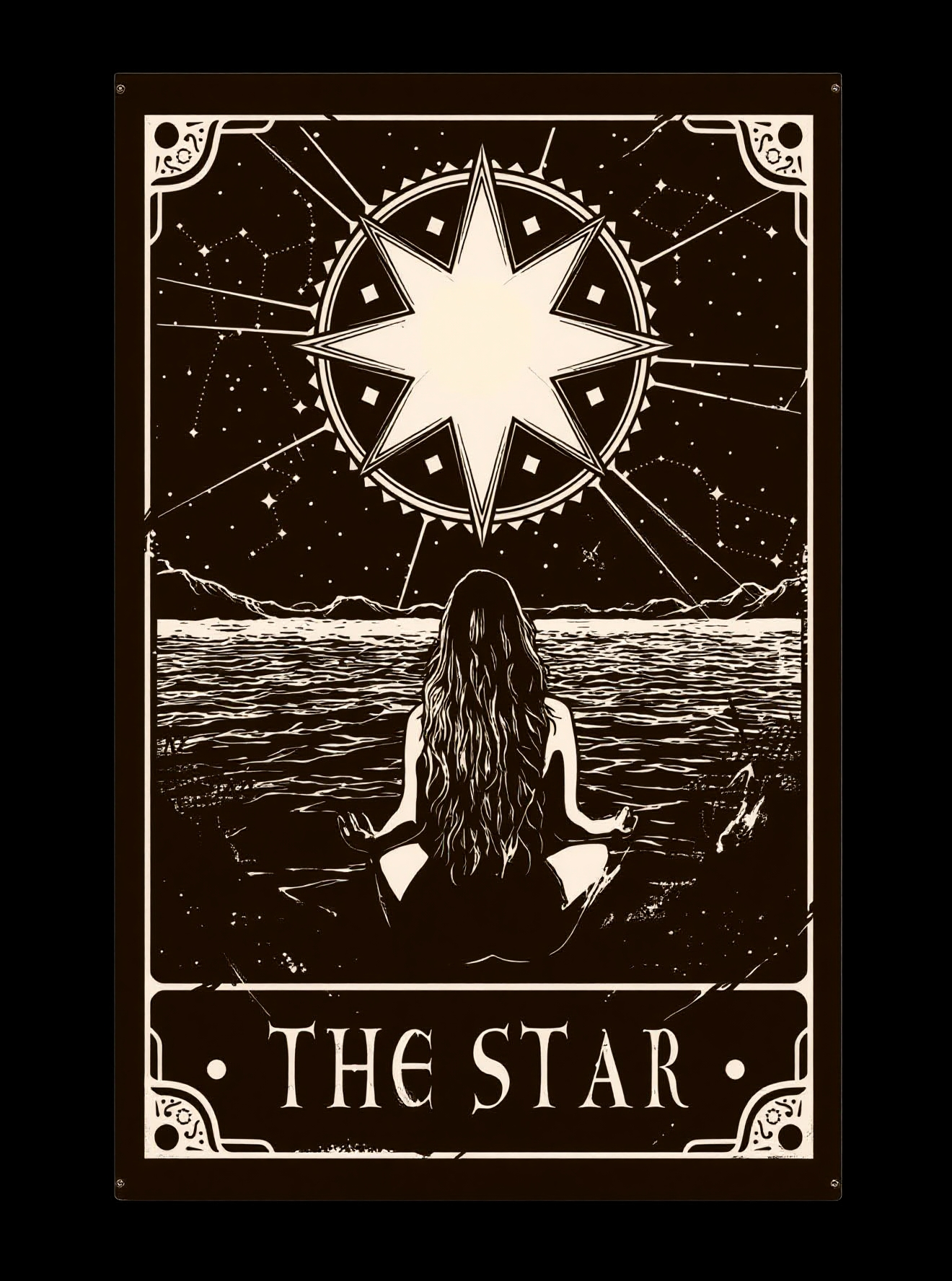
In NTAD'S TempleOS, The Invisible Sun is, among other things, The Star Of Tarot and a term for a nuclear warhead. It can also have the name Wormwood.
Beyond The Ordinary
The phrase Ghost In The Machine originated with British philosopher Gilbert Ryle in his 1949 book The Concept of Mind. Ryle used it as a critical description of René Descartes' mind-body dualism, mocking the idea that the mind is a non-physical ghost housed inside the physical machine of the body.
Since then, the term has been adopted across philosophy, technology, and popular culture to describe consciousness, hidden intelligence, or unexpected anomalies within complex systems.
Philosophical And Cultural Meanings.
Philosophy:
Used to debate whether human consciousness is separate from our physical biology, or simply a product of brain mechanics. Arthur Koestler used it as the title of his 1967 book on human self-destruction and psychology.
Music:
The Police released their fourth studio album, Ghost in the Machine, in 1981, featuring hits like 'Every Little Thing She Does Is Magic'. More recently, the phrase is featured in the song Ghost In The Machine by SZA featuring Phoebe Bridgers.
Film and Media:
It serves as the title of a 1993 sci-fi horror film and a 2026 documentary film directed by Valerie Veatch that explores the historical roots of artificial intelligence.
Beyond The Ordinary
T.

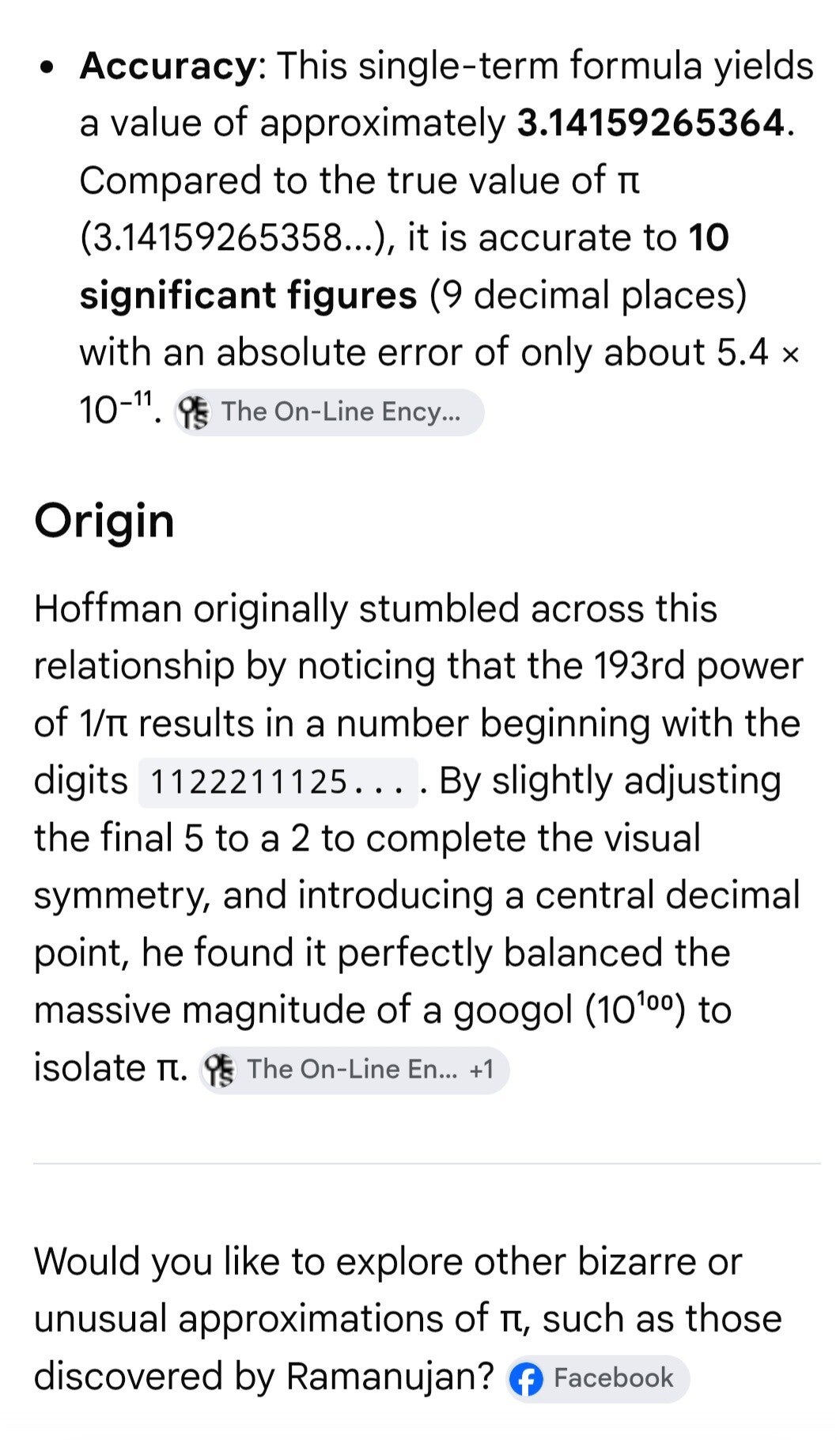
If so, go research.
Beyond The Ordinary
Music And Science
Mani Hoffman is a French singer, songwriter, and music producer who is a key prominent figure of the French Touch / French house movement. Born on December 18, 1975, in Nantes, France, he is most famous for co-writing and singing the lead vocals on the 2001 platinum house hit Starlight by The Supermen Lovers.
Co-written with Guillaume (William) Atlan, Starlight became an international dance classic and remains one of the most widely exported French electronic tracks in history.
Beyond The Ordinary
-
193 = 2×3×5×7 - (2+3+5+7), i.e., the product of the first four primes minus the sum of the first four primes.
So, OBOE 193 (192) = 1×2×3×5×7 - (1+2+3+5+7). And 192/2 = 96.
More On Mocktal: Some Path And An Alternative Name
A system of numbers using 7 bits represents a specific range of binary values, but it does not have a unique, universally accepted name like octal (base-8) or hexadecimal (base-16).Instead, it is most commonly described by its specific applications or its mathematical capacity.
Common Names And Contexts.
7-Bit Binary: This is the literal technical term for any numbering system or data unit restricted to 7 binary digits.
Septet: In computer networking and telecommunications, a group of 7 bits is formally called a septet (similar to how 8 bits is an octet). [Sept as a set of letters means 7. It's personal, but September is my birth month. September used to be the seventh month of the year.]
ASCII Character Set: The most famous real-world application of a 7-bit system is standard ASCII (American Standard Code for Information Interchange), which uses exactly 7 bits to encode 128 characters.
Mathematical Properties.
Base System: It is still a Base-2 (binary) system, just restricted to a width of 7 digits.
Total Combinations: It can represent exactly 128 unique values (2^7 = 128).
Unsigned Range: It represents whole numbers from 0 to 127.
Signed Range: Using two's complement for negative numbers, it represents numbers from -64 to +63. [I was born in 1963.]
Beyond The Ordinary
T
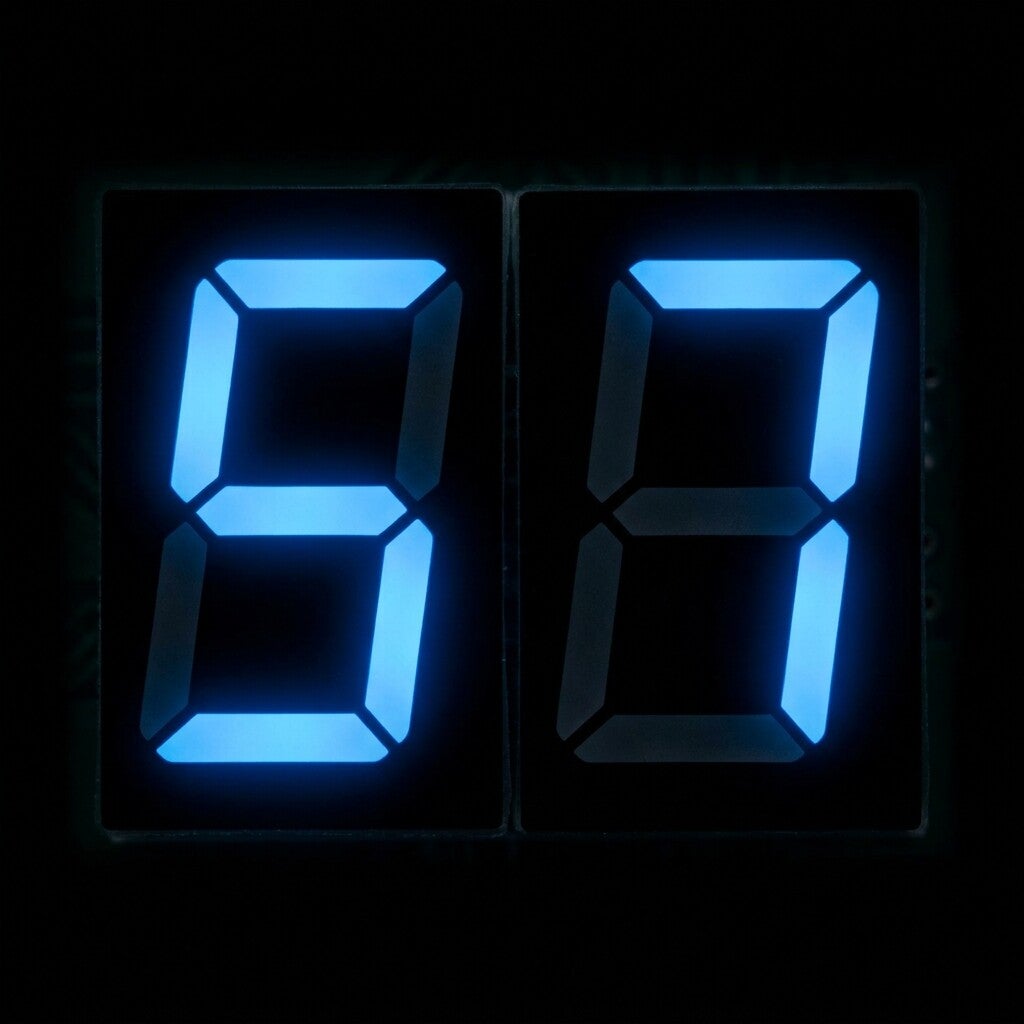
The decimal value of the mockdecimal number 57 is 139.
Beyond The Ordinary
Properties Of 139
139 is the 34th prime number. It is a twin prime with 137. Because 141 is a semiprime, 139 is a Chen prime. 139 is the smallest prime before a prime gap of length 10.
This number is the sum of five consecutive prime numbers (19 + 23 + 29 + 31 + 37).
It is the smallest factor of 64079 which is the smallest Lucas number with prime index which is not prime. It is also the smallest factor of the first nine terms of the Euclid–Mullin sequence, making it the tenth term.
139 is a happy number and a strictly non-palindromic number.
-
In base 5, 139 = 1024 = 2^10.
-
In base 7, 139 = 256 = 2^8.
-
Like 137 and 139, 5 and 7 are twin primes.
-
In base 11, 139 = 117.
More pye and Ꝝ
Using either of the display systems described above, we can display the number Pye as a row of 216 digits. For operational reasons, the final two digits of pye are often used in a different way to the others resulting in a display of 216-2 (= Ꝝ visually interpreted as 2+1+4) predigits + 2 postdigits.
Beyond The Ordinary
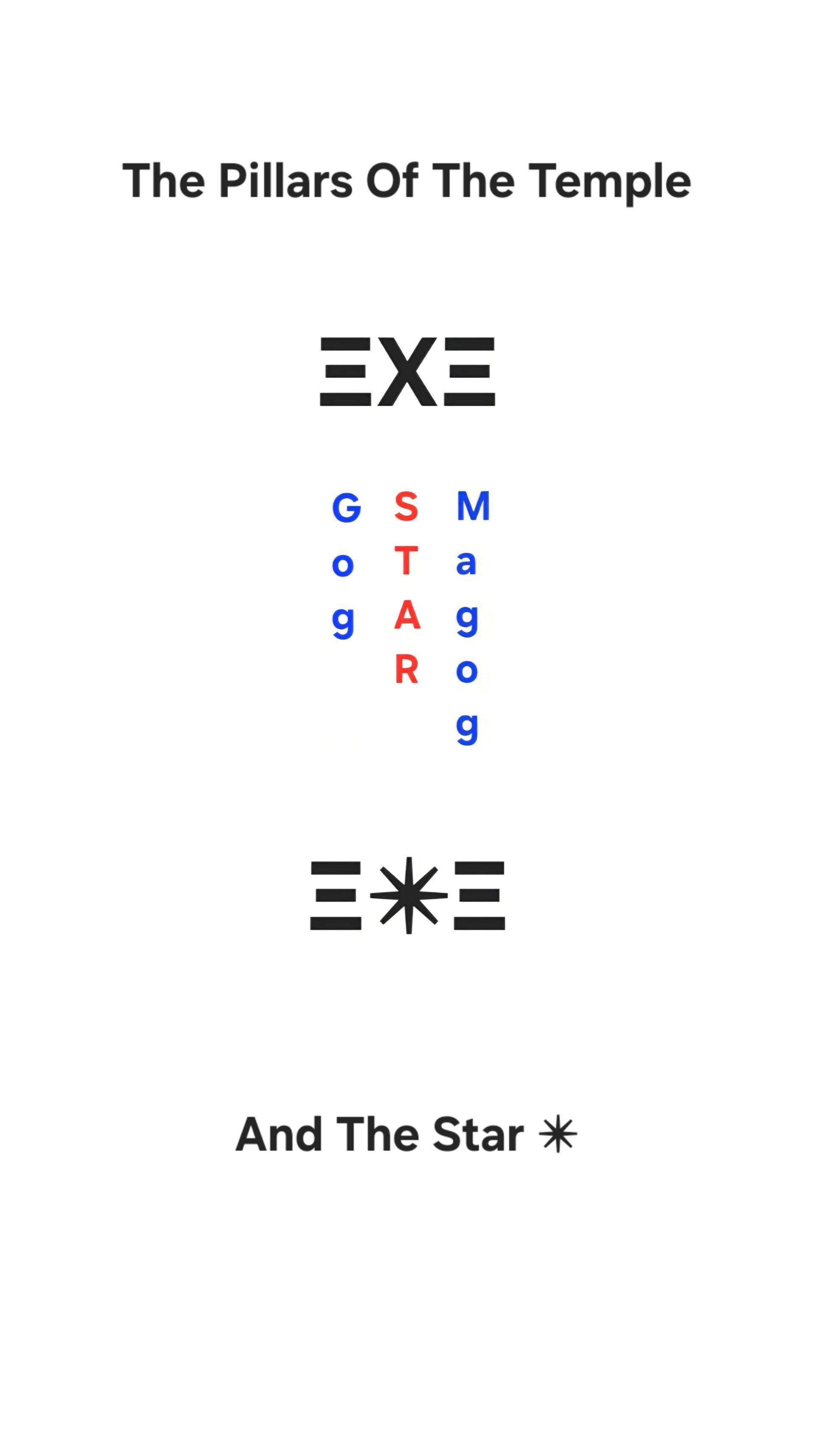
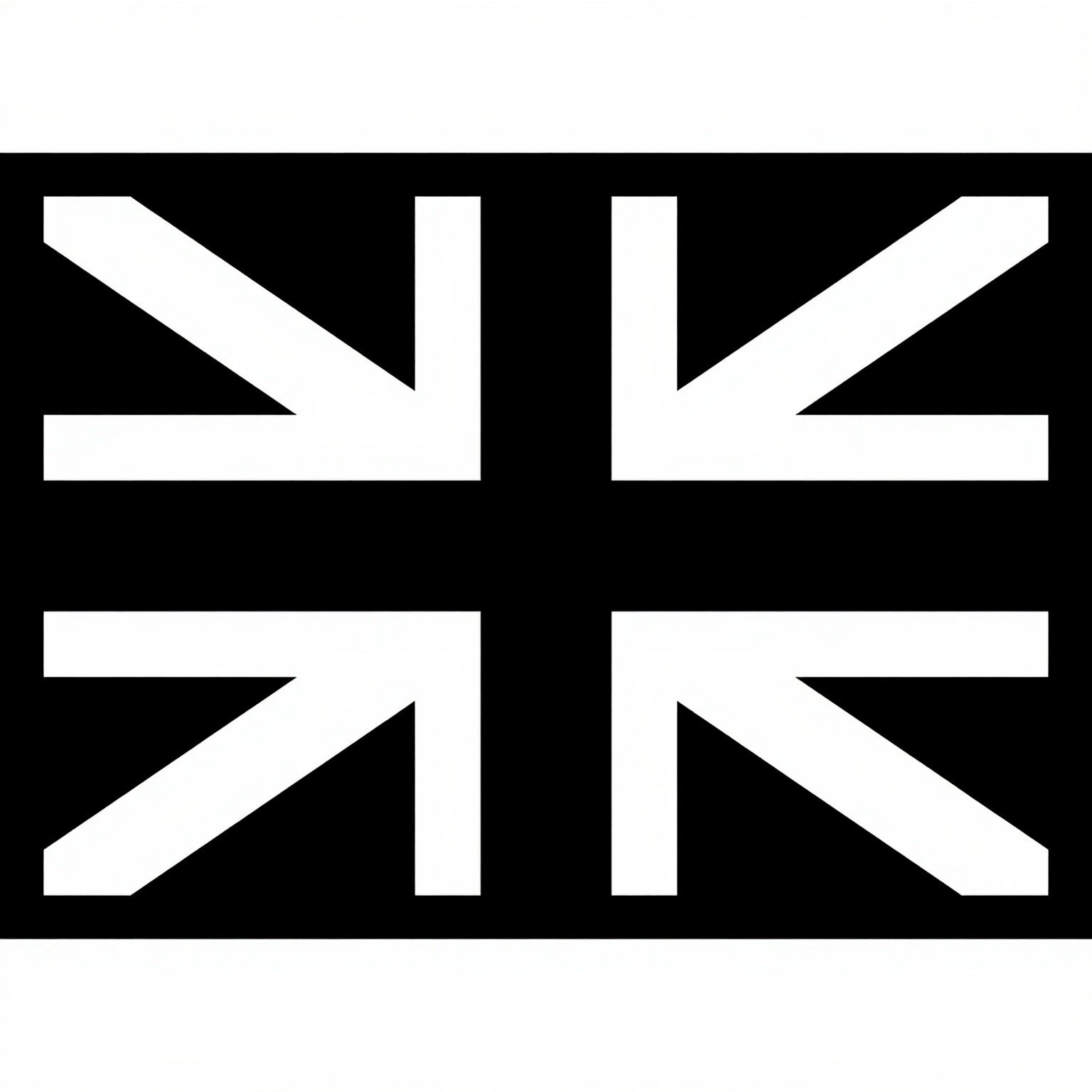
The Star (Of Guillaume {or William} [👁 1st image below]) at the centre of EXE can be 'opened' to get the (2nd) image shown below. This is the basis of the Union Flag/Jack shown in the next panel - which is easily obtained by repeating the act of opening on all remaining lines and applying appropriate monochrome colouring.
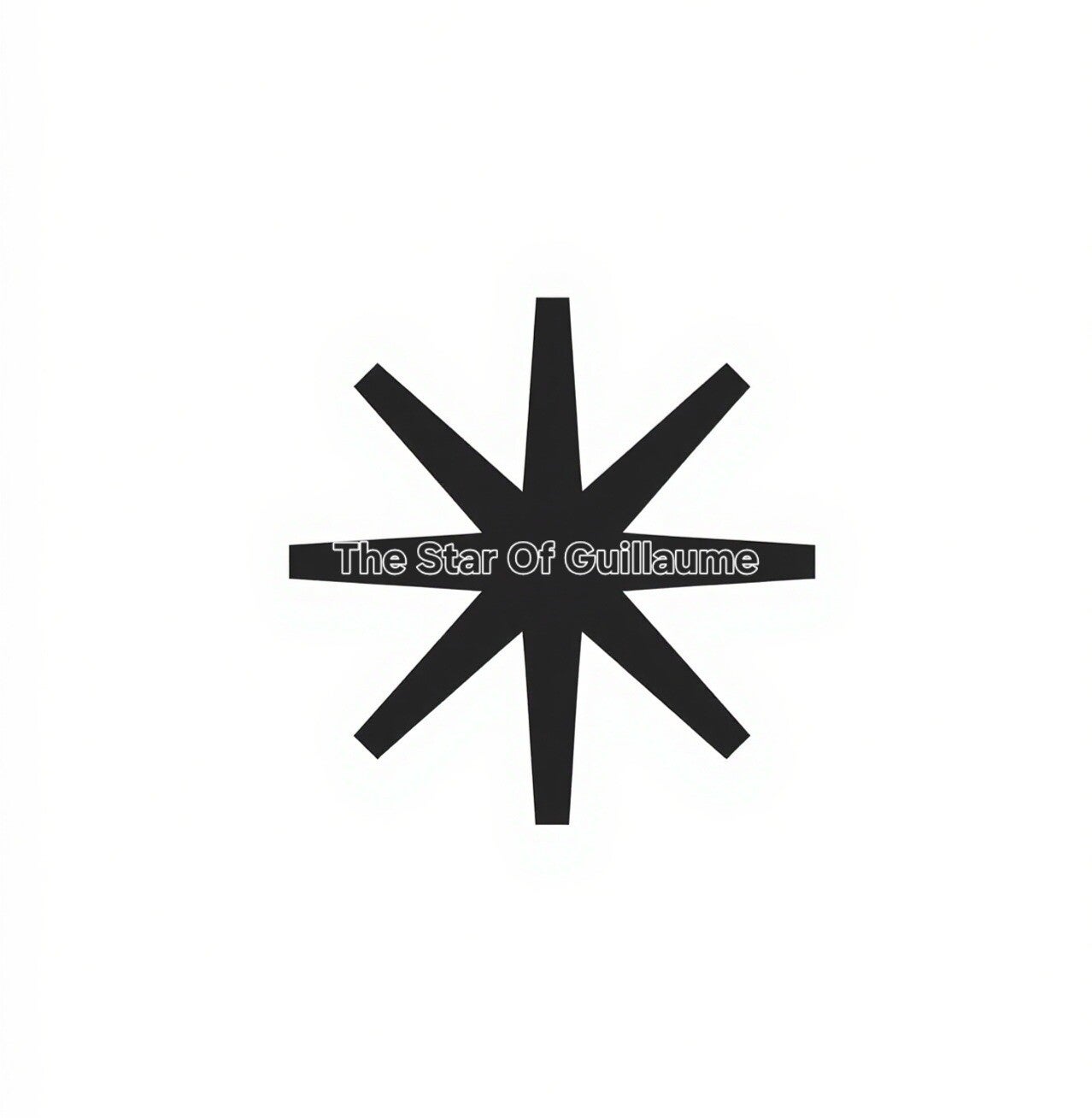
From The (Holy) Star Of Guillame, we get the name Holy Ghost.
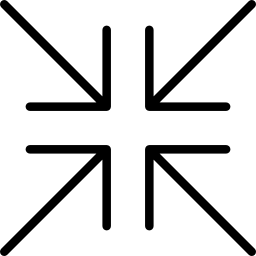
The Cross And Arrows.
Associated with the numerically symmetrical version of TSOG, this figure consists of 4 arrows with an individual numerical value of 31. The total value of TCAA is therefore 4×31 = 124 = ⳨(214).
Beyond The Ordinary
The Union Flag 🔻 as a derivative of The Star Of Guillaume.
Beyond The Ordinary
Americans once used the flag below.
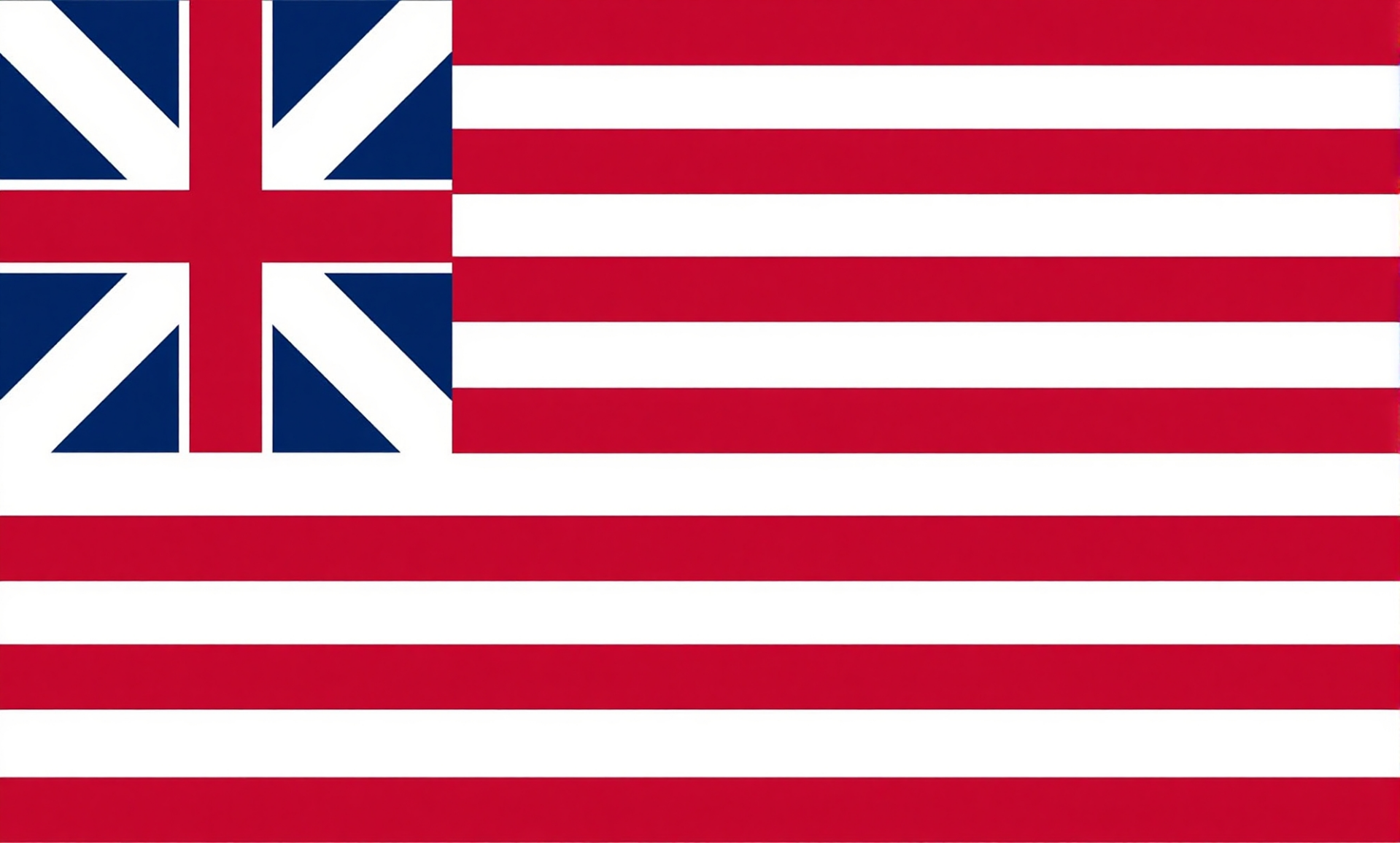
Beyond The Ordinary
Americans = A-Ants [⳨(TANA]. British = B-Ants [⳨(TBNA)]. The top two human teams in The Game.
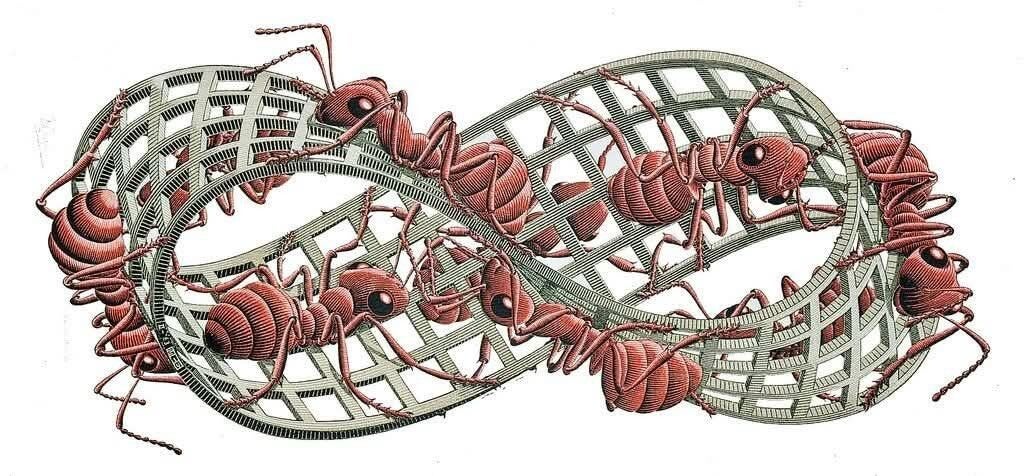
Möbius Strip II (🔷️ Red Ants).
This artwork is a woodcut created by Dutch artist M.C. Escher in 1963 (my birthyear again).
The Concept:
It depicts a continuous, looped surface—a Möbius strip shaped like a figure eight—demonstrating a single-sided surface.
The Subjects:
Eight brick-red ants march head-to-tail in an endless procession along both sides of the grid-like band, showing that what appears to be an opposite side is actually the same continuous path.
Beyond The Ordinary
T
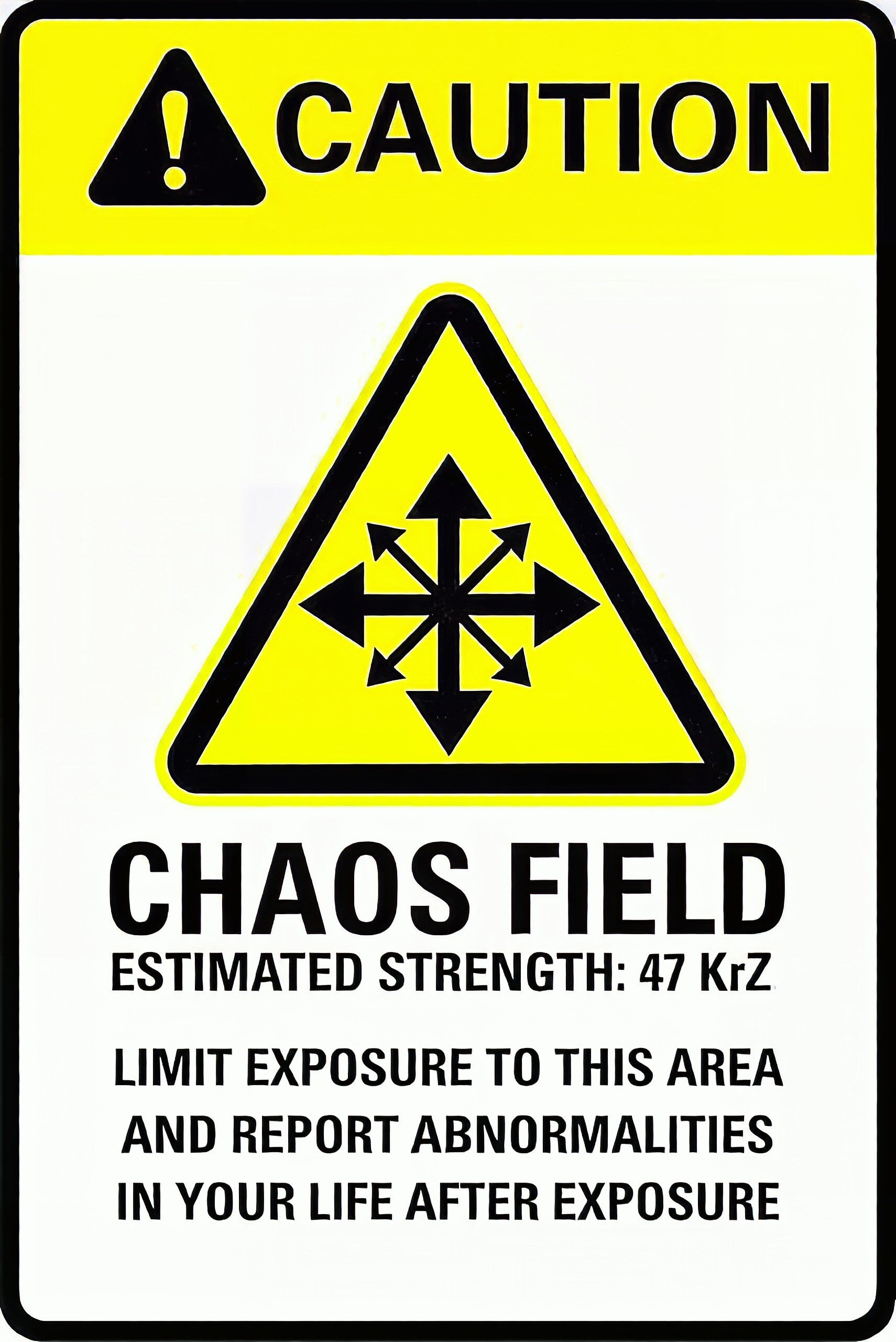
Ants 4 Funky Sh*t
T
Logo for the band The Prodigy.
The history of The Prodigy's iconic ant logo is deeply rooted in the band's ethos and the 1990s UK electronic music subculture.
Origin And Timeline.
Introduction (1995): The band officially adopted the ant symbol around 1995, transitioning away from their original 1991 psychedelic 'P' emblem and globe designs.
Peak Era (1997):
It became globally recognizable with the release of their legendary third studio album, The Fat of the Land, which topped charts worldwide in 1997. The logo was paired with a customized, lowercase Keedy Sans typeface.
Evolution:
While the band removed the ant from their official wordmark text layout after 2004, the insect remains a permanent mascot heavily used by fans and for live tour imagery.
The Meaning Behind The Mascot.
The band's frontman and producer, Liam Howlett, has provided a few clear reasons for choosing the insect.
Small but Mighty:
In interviews, Howlett noted that the ant represents how the band views themselves. Ants are incredibly small creatures, yet they possess immense strength and can move mountains when working together.
The 'Always There' Ethos:
Howlett famously stated, 'You might not hear from us for a bit and then BLAMMM! But if you look closely, we are always there.'
A Musical Tribute:
The choice was also a nod to the post-punk band Adam and the Ants. The Prodigy famously sampled a pitched-up version of the track Ant Invasion on the B-side of their smash hit single Firestarter
Beyond The Ordinary
T.
Beyond The Ordinary
Event Horizon is a 1997 science fiction psychological horror film directed by Paul W.S. Anderson. Set in the year 2047, the plot follows a rescue crew investigating the sudden reappearance of a prototype starship that vanished seven years prior. Pitching the project as The Shining in outer space, Anderson created a visceral, gothic haunted house experience that heavily incorporates themes of hell, madness, and bodily mutilation. Though it underperformed commercially and was panned by critics upon release, it has since achieved immense cult classic status.
Core Film Overview.
Director:
Paul W.S. Anderson.
Screenplay:
Philip Eisner.
Primary Cast:
Laurence Fishburne, Sam Neill, Kathleen Quinlan, Joely Richardson, and Jason Isaacs.
Runtime & Rating:
1 hour 36 minutes | Rated R for strong graphic violence, gore, and disturbing imagery.
Streaming Platforms:
Available to watch on platforms like Paramount+, Amazon Prime Video, and Apple TV.
Plot Summary
In 2047, Earth intercepts a transmission from the Event Horizon, a revolutionary deep-space research vessel that mysteriously vanished beyond Neptune in 2040. The rescue ship Lewis and Clark, commanded by Captain Miller (Laurence Fishburne), is dispatched alongside the missing ship's designer, Dr. William Weir (Sam Neill).
Weir reveals to the crew that the ship utilized an experimental Gravity Drive to fold space-time, creating a artificial singularity to jump instantaneously across the universe. When they board the dark, derelict vessel, they find the original crew dead from gruesome mass suicide and mutilation. The rescue crew soon learns that the ship's drive opened a portal not to another star system, but to a dimension of pure chaos and malevolent evil. The ship itself has become a sentient entity, manipulating the crew's deepest trauma and guilt into terrifying, deadly hallucinations.
Production And The Lost Director's Cut.
The history of Event Horizon is defined by a chaotic production timeline forced by Paramount Pictures:
Rushed Schedule: Paramount desperately needed a late-summer blockbuster to fill a massive gap left when the highly anticipated release of Titanic was delayed. As a result, post-production on Event Horizon was drastically accelerated.
The 130-Minute Cut: Anderson's original cut of the film was roughly 130 minutes long and featured unprecedented levels of graphic violence, gore, and extreme sexual horror during the visions of Hell sequences.
The Lost Footage: Test audiences reacted with utter shock and horror to the extreme violence, forcing the studio to demand that 34 minutes be slashed from the run time. Over the years, the studio and Anderson attempted to recover the deleted footage for a definitive director's cut, but the film stock had been poorly preserved in a salt mine and is largely considered lost or ruined.
Cultural Legacy And Expanded Universe.
Despite failing to break even at the box office on its $60 million budget, home video sales and early internet forums completely revitalized the film's reputation. Today, it is widely celebrated for its striking techno-medieval aesthetic—with ship interiors famously modeled after the Notre Dame Cathedral—and its massive influence on modern sci-fi horror games like Dead Space.
Additionally, the franchise has expanded into print. IDW Publishing released an official comic-book prequel series titled Event Horizon: Dark Descent, which was followed by a sequel comic run titled Event Horizon: Inferno.
Beyond the ordinary
Teesdale is a scenic river valley in Northern England carved by the River Tees as it flows from the Pennines toward the North Sea.
Geography And Location
The Valley:
Teesdale sits within the North Pennines National Landscape (formerly an Area of Outstanding Natural Beauty).
The Border:
The River Tees traditionally marks the historic boundary between County Durham to the north and Yorkshire to the south.
Upper and Lower:
It is split into Upper Teesdale (high, rugged moorlands and deep valleys upstream of Middleton-in-Teesdale) and Lower Teesdale (gentler, fertile farming country around Barnard Castle).
Key Features And Highlights
Waterfalls:
Famous for dramatic waterfalls like High Force (one of England's highest drops), Low Force, and Cauldron Snout.
Barnard Castle: Where I Grew Up
The main historic market town in the area, featuring a medieval castle and the renowned The Bowes Museum.
Beyond The Ordinary
I can see the first name Dale in both of the following two images.
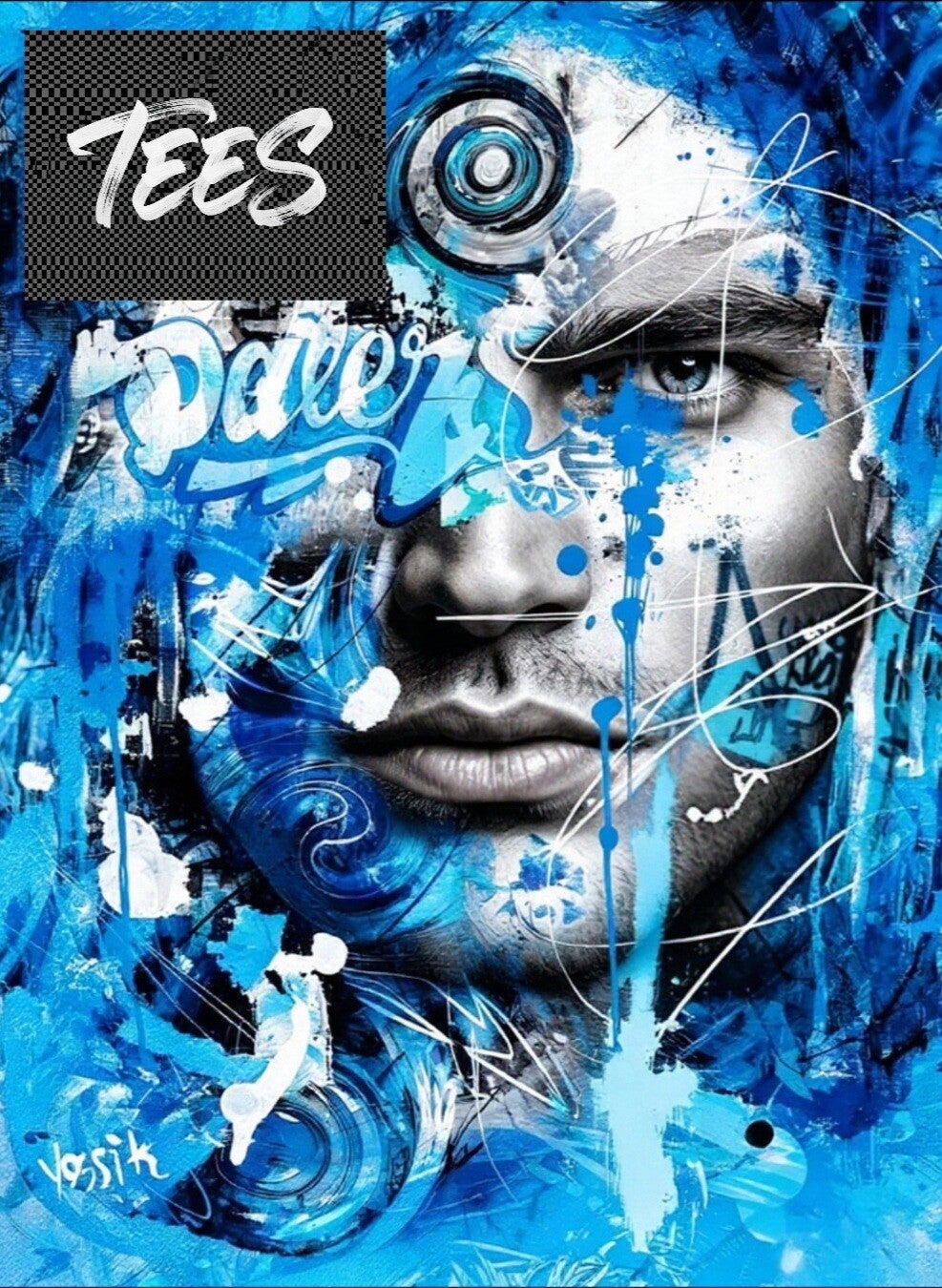
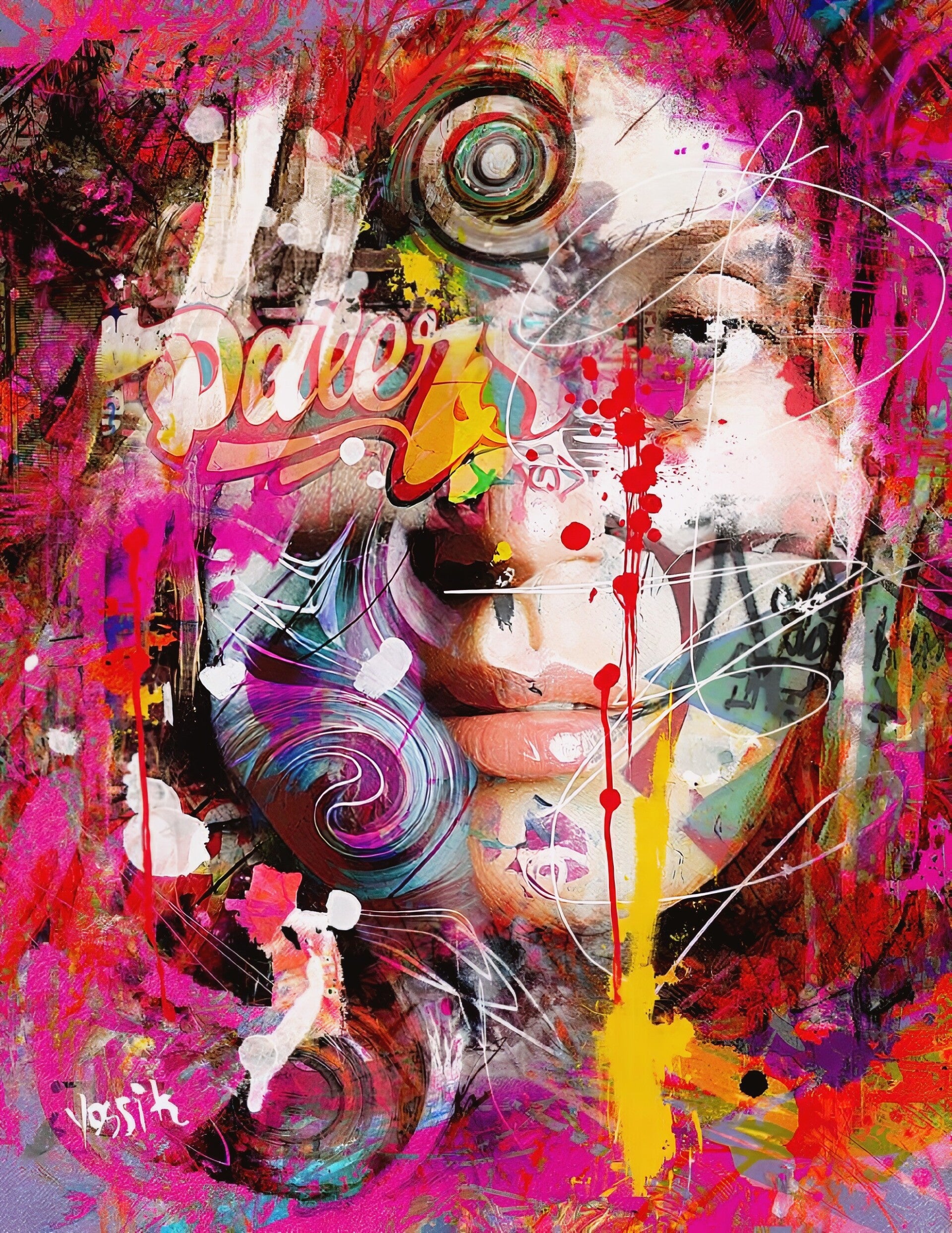
Where I Belong I'm Right [among other places, we BOTH belong in (and to) Teesdale]
The above line is from the 1967 song Fixing a Hole by The Beatles. Written primarily by Paul McCartney, the line plays on a clever double meaning: if he is wrong in the eyes of others, it doesn't matter because he is exactly where he is supposed to be ('right where I belong').
Fixing a Hole is a song about protecting one's mental space, setting personal boundaries, and maintaining creative freedom. It reflects Paul McCartney's focus on personal repair, taking time for oneself, and ignoring outside negativity and critics.
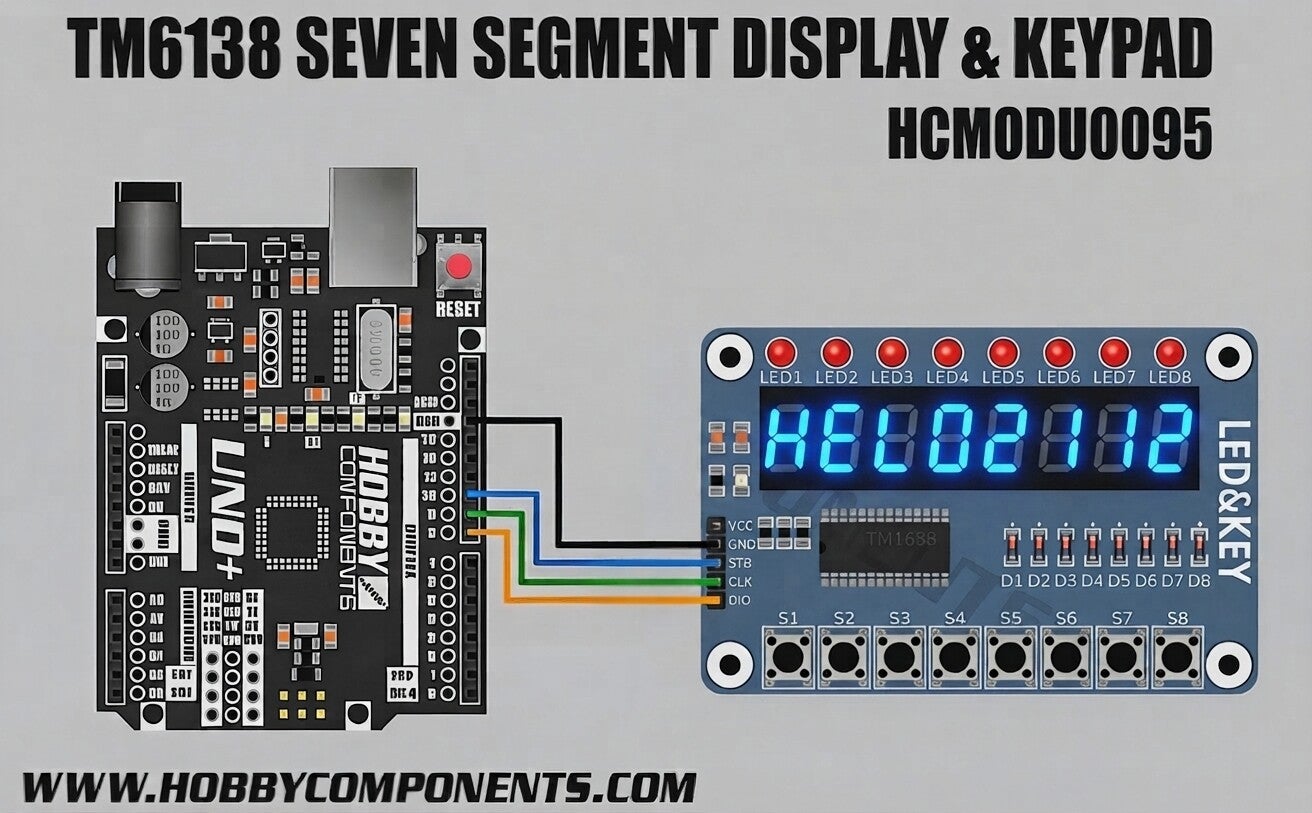
HOLE = ⳨(HELO)[from panel above 👆].
Beyond The Ordinary
T
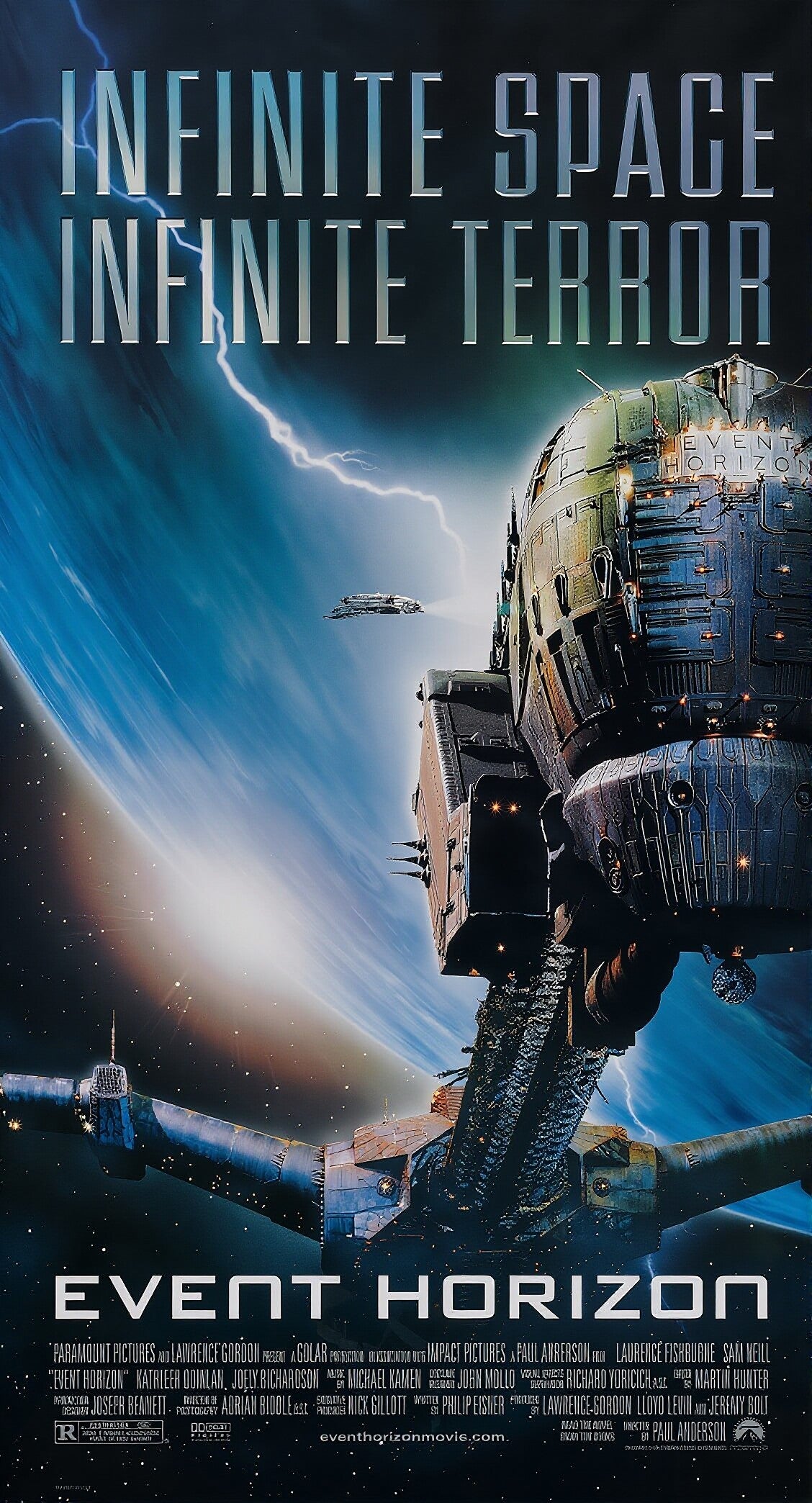
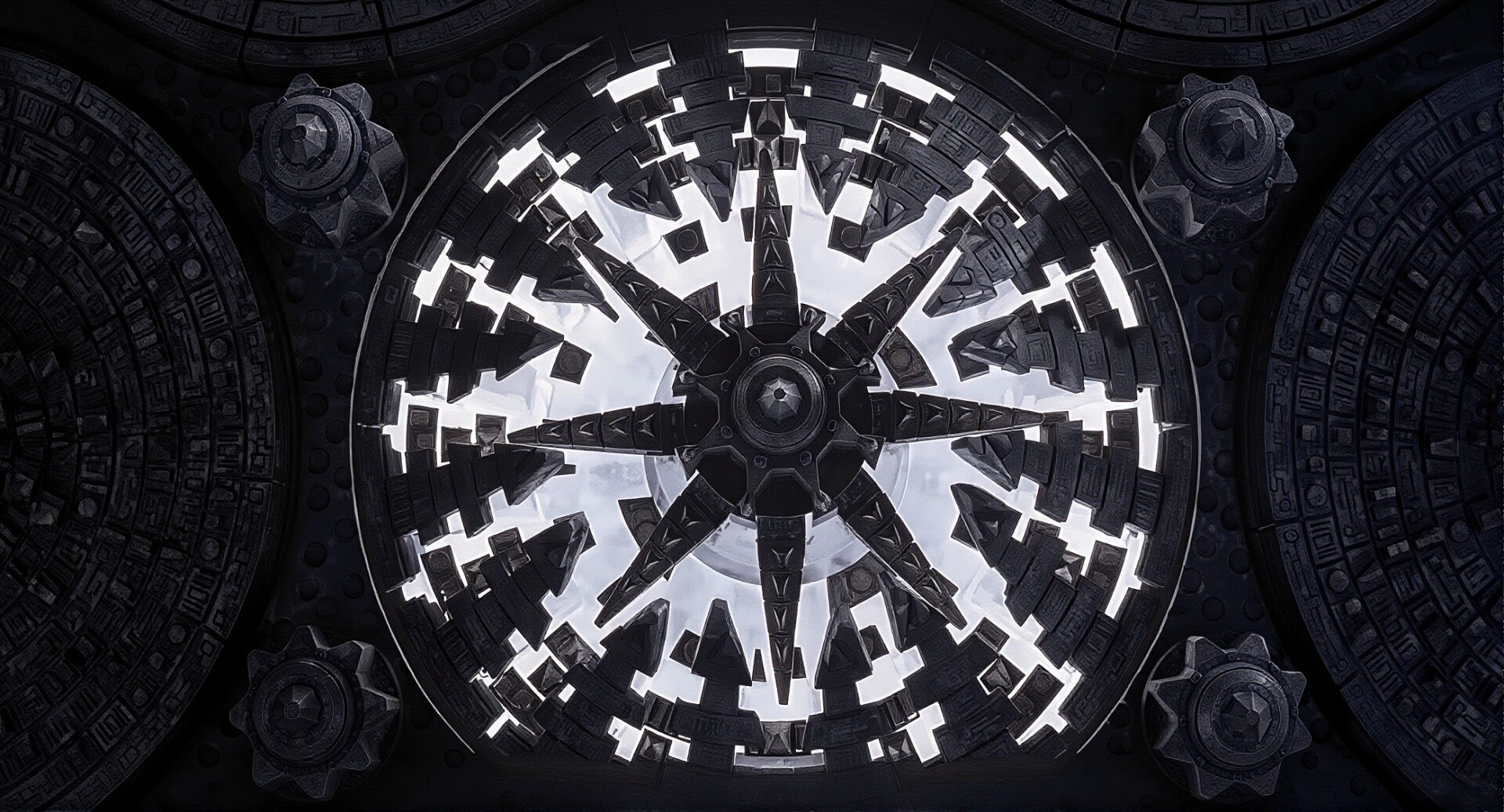
A GHOST Engine (onboard The Event Horizon [👁 The Prodigy video above]). A Ghost In A Machine.
Beyond The Ordinary
EH, the initial letters of Event Horizon, on a pair of 7SDUs, has mocktal value (47+122) = 169.
1st unit: Ꝝ(42) + 5; 2nd unit: Ꝝ(42) + 80.
So, using Ꝝ, EH = 84(2Ꝝ) + 85 ie. using Ꝝ, EH can be expressed as the sum of two contiguous numbers.
EH = 1 + ☯
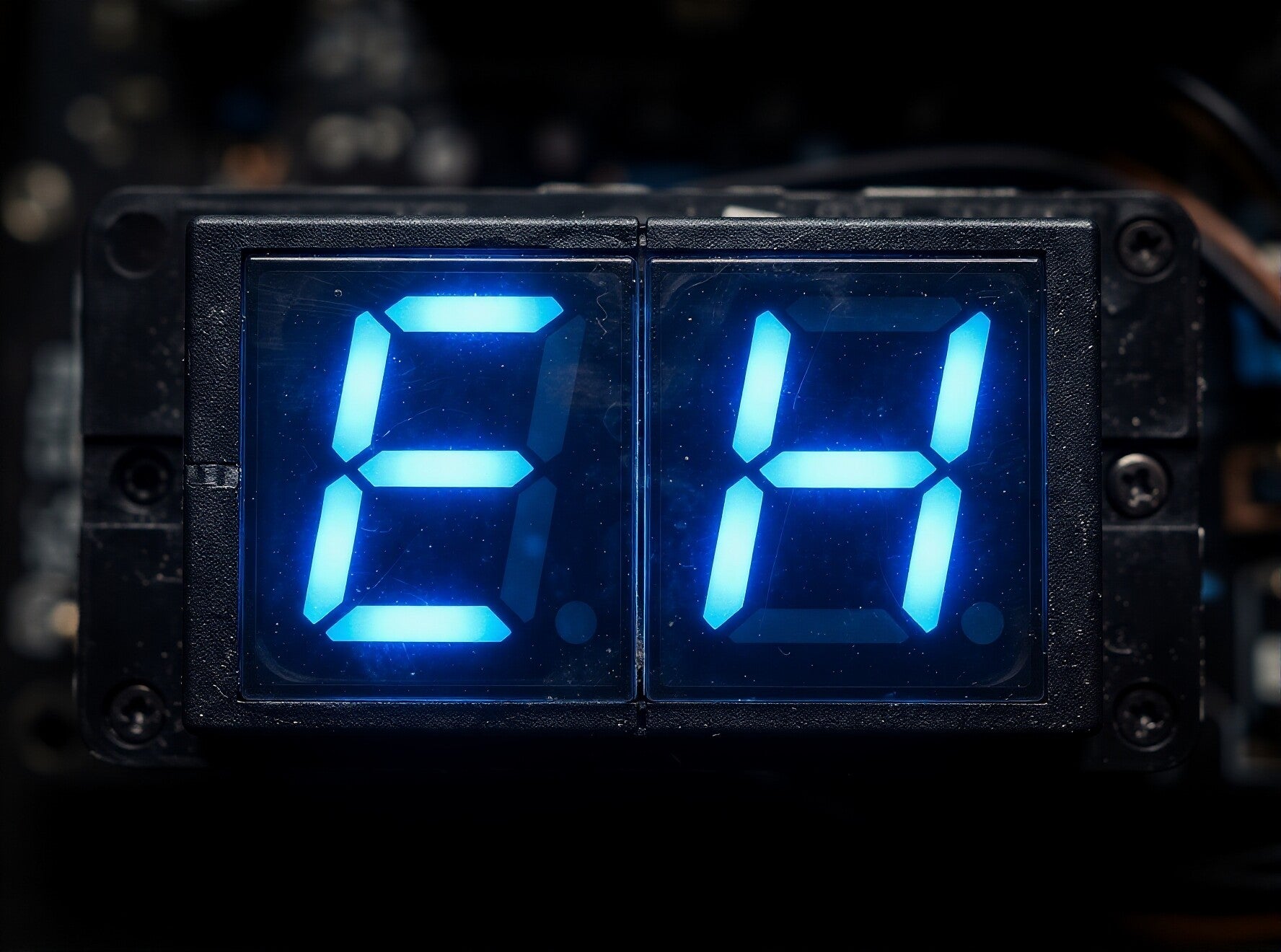
On the real Event Horizon, these 7segment display units are as common as the Darlington transistors. It's a form of technical feng shui.
The number 169 is special because it is the square of 13 and has a unique reversible math property.
Mathematical Properties.
Perfect Square:
It is equal to 13 [unlucky for some 🙂] multiplied by 13 (13 × 13 = 169).
Reversible Math:
If you reverse the digits in the equation to 31 × 31, the answer is 961, which is 169 spelled backward.
Cube Difference:
It is equal to the difference between two cubic numbers: 8³ - 7³ (512 minus 343).
Prime Sum:
It equals the sum of seven continuous prime numbers: 13 + 17 + 19 + 23 + 29 + 31 + 37.
Factors:
Its only positive divisors are 1, 13, and 169.
Beyond The Ordinary
Among other things, The Star Of Guillaume includes the basics of what we need for computational pathematics - the symbols for arithmetic as +, –, × and /. Using an 8SDU standing between two 7SDUs, TSOG could be used to display arithmetic operators and other symbols.
Rather than using physical multisegment display units, TSOG, Ξ and Χ etc. can, of course, all be used on paper or the screen of a smartphone etc.
Note that, when TSOG is used in connection with flags etc., the figure can be made numerically symmetrical by changing the two bottom numbers to 4. This increases the value of TSOG to 64+6 = 70 = 2×35 = 2(7×5) = ᘯ℧ = ᔐ.
Also note that, on the left and right of TSOG, we have the number pairs 4 and 2 (2 and 4) for 42 and 24. We also have 1, 2 and 4 for 124, 214 etc.
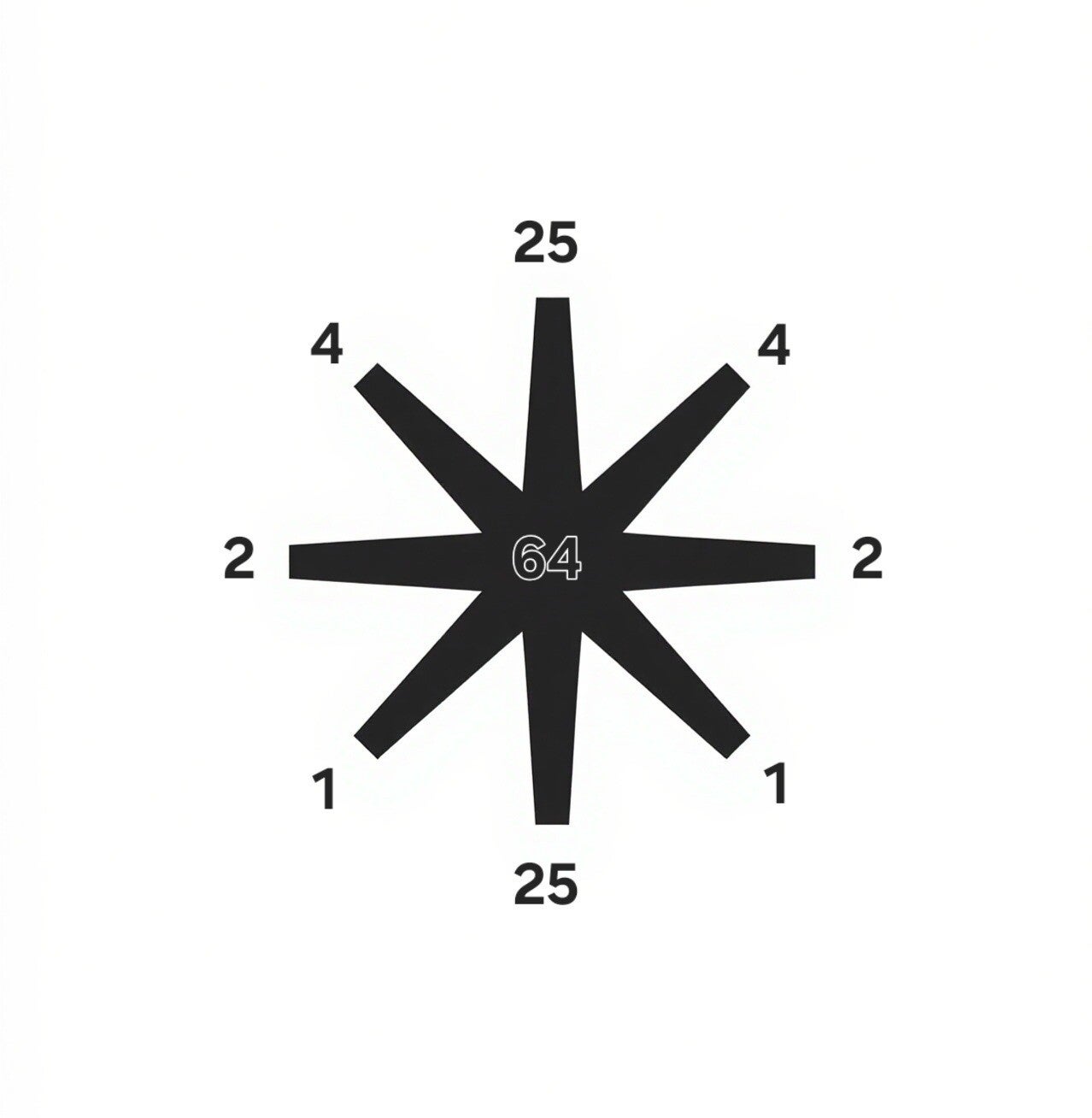
Number Assignments For The Rays Of The Star Of Guillaume.
Beyond The Ordinary
The American flag has gone through many revisions since the adoption of the 1st. The one below is from 1863 and can be seen to include 35 stars as an array of 7×5.
What Google has to say about the 35 star flag.
The American flag of 1863 featured 35 stars to represent the admission of West Virginia to the Union.
Key Facts About The 35-Star Flag.
Timeframe:
It was official from June 20, 1863, to July 3, 1865.
Design:
It had 13 red and white stripes and a blue canton with 35 white stars.
Civil War:
President Abraham Lincoln served under this banner during the height of the American Civil War.
Symbolism:
The new 35th star honored West Virginia's separation from Virginia to join the Northern Union.
Most users on Reddit agree that historical 35-star flags from this era are rare and serve as major symbols of the Civil War period.
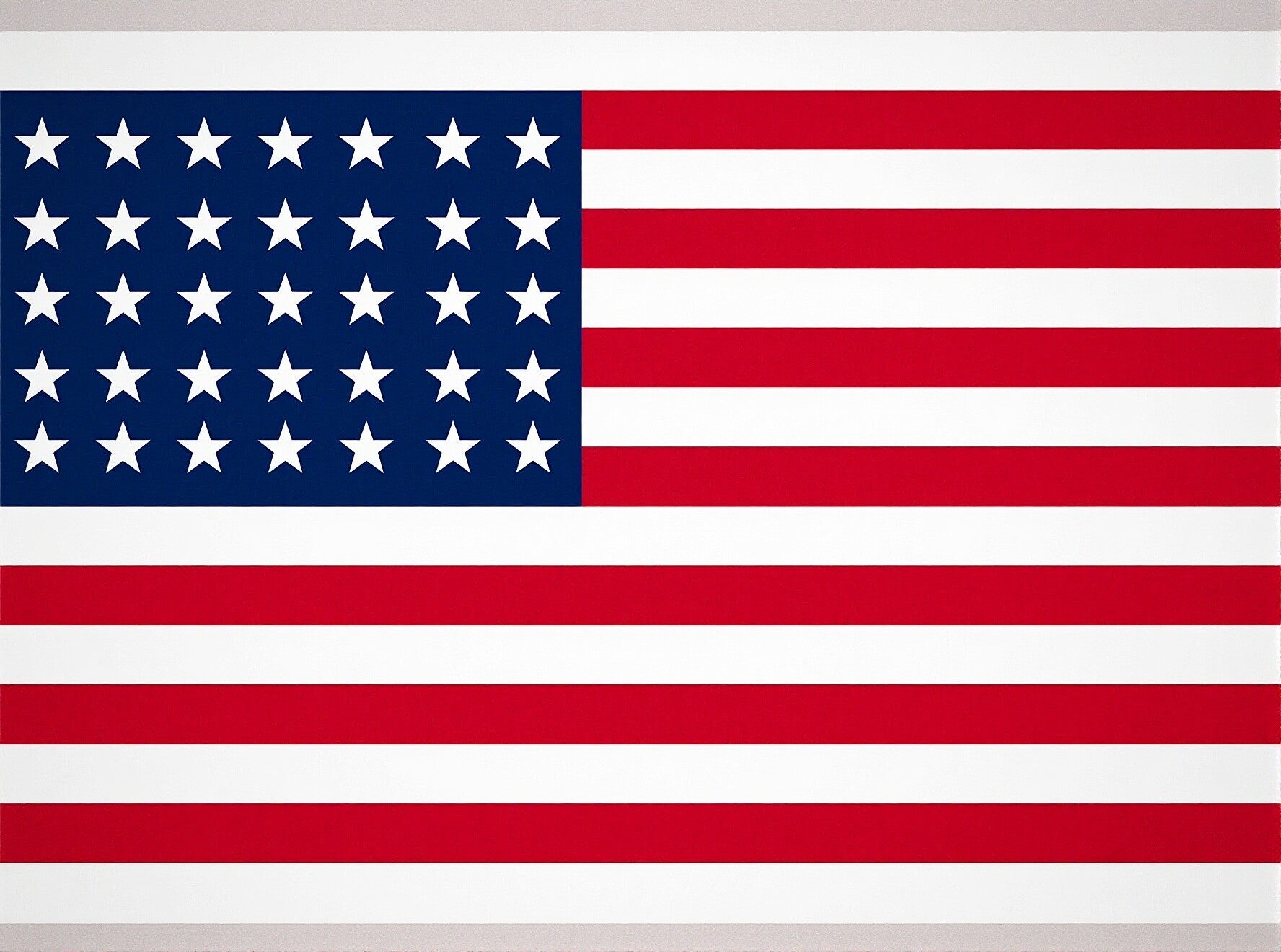
The 35 Star Flag Of The United States Of America.
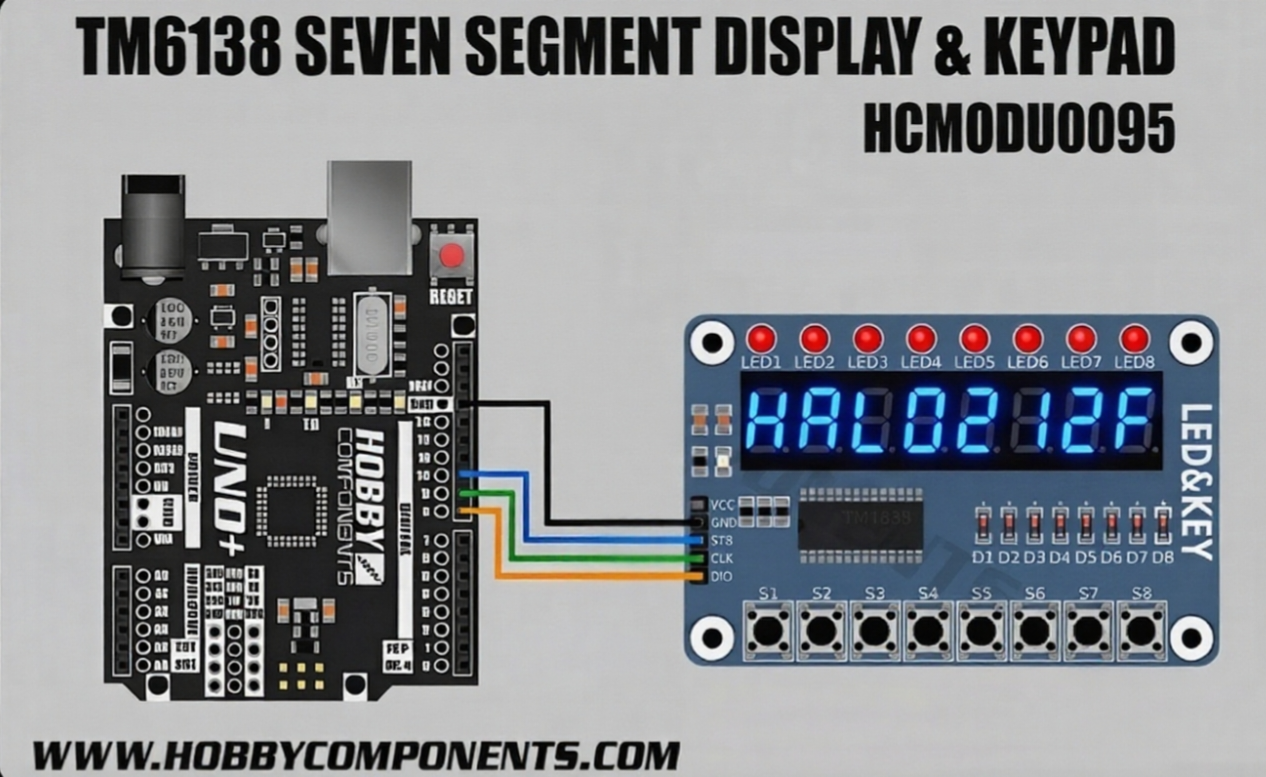
At least one version of this flag includes grey bars at the top and bottom - as if to make visible two additional white bars for a total of 15 bars on the flag. The inclusion of grey bars can signify the alliance between the humans in The Game and an alien, 🔷️ blue, version of The Covenant from HALO 212F.
The name Grey is, of course, popular as a name for a paradigm alien. The aliens in support of humanity are therefore both blue and grey. Among other things, this colour duality allows the covenant (and their human allies) to operate on behalf of all honourable people caught on either side of a conflict.
Note that here we have 35 equals 7×5 stars and 15 equals 7.5×2 bars.
Beyond The Ordinary
T
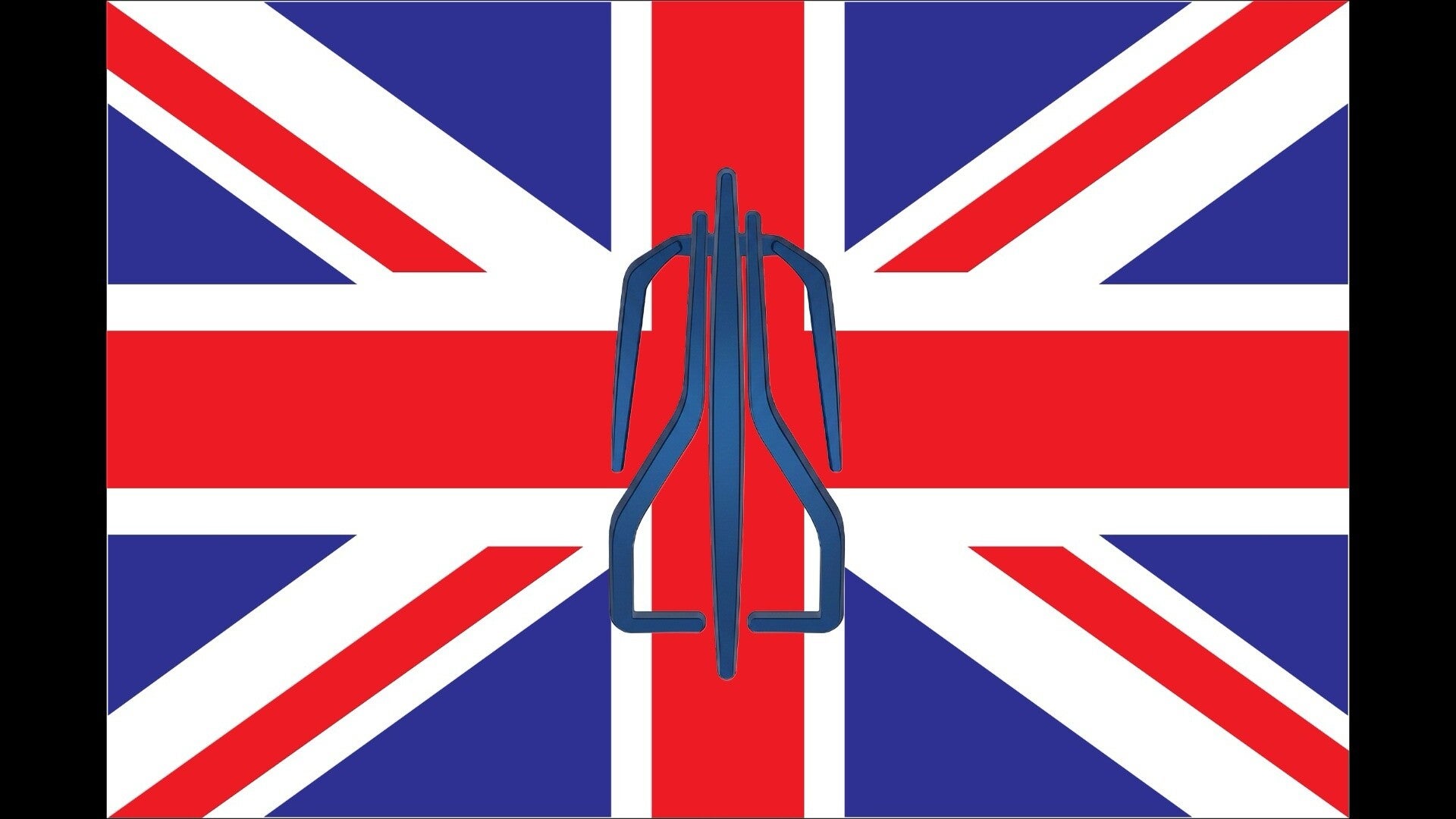
The 212 Union Flag.
Beyond The Ordinary
T
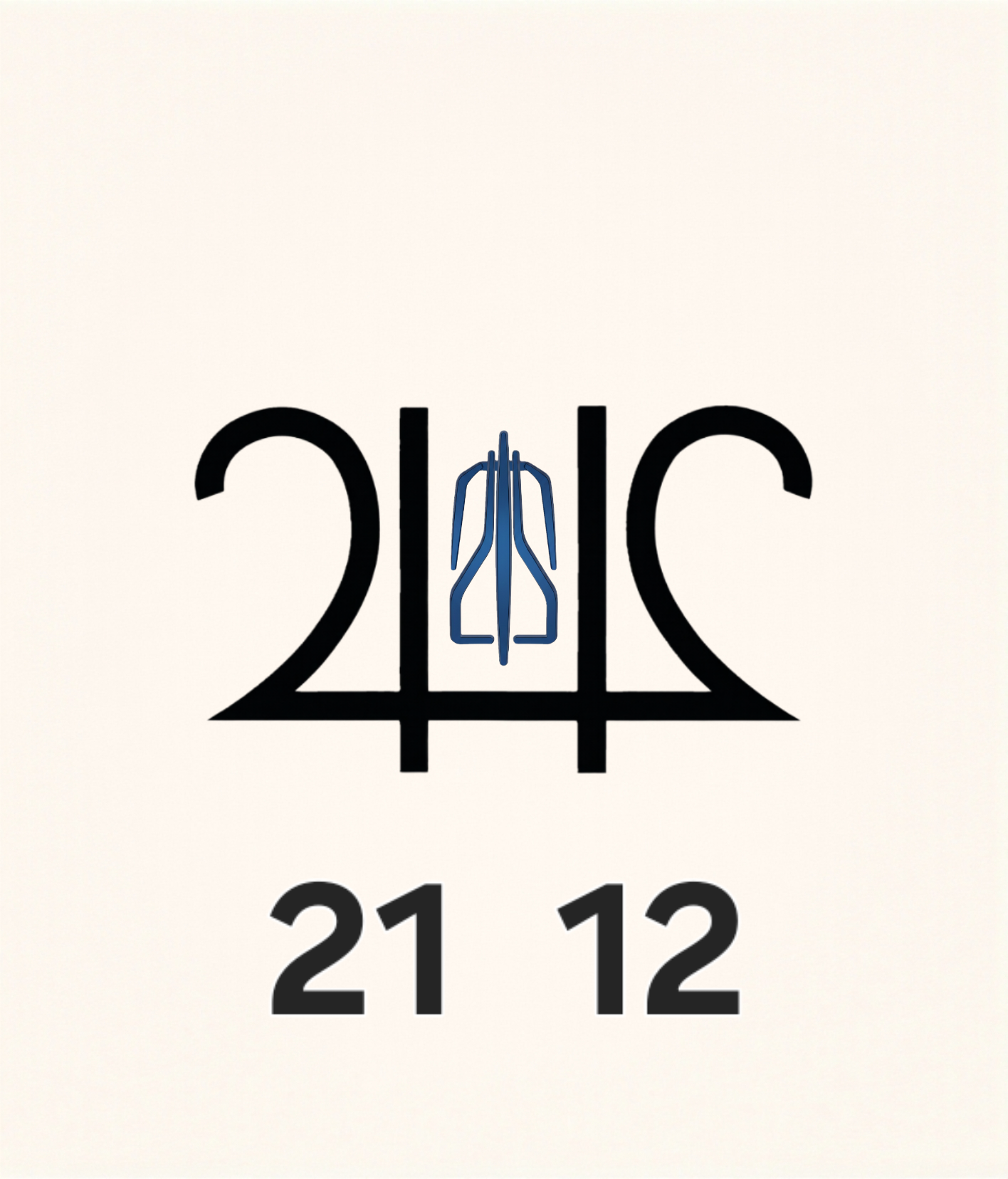
SUM Psyclone Arithmetic For 2112🔻
21 × 12 = 6 × 42
21 × (1+2) = 63 = switch(36)
(2+1) × 12 = 36 = 6²
12 × 12 = 144 = 72 × 2 = 36 × 4
(2×1) × 12 = 24; 21 × (1×2) = 42
2112 / 12 = 176; 2112 / 24 = 88