Skip to main content
Umberto Eco was strongly opposed to the logic of conspiracy theories, treating them with academic irony, critique, and satire throughout his life and work.
Critical Stance On Conspiracies.
Faced with Paranoia:
Eco stated that he was not attracted to conspiracies themselves, but rather to the human paranoia and 'overinterpretation' that allowed them to flourish.
Hermetic Semiosis:
In his academic and semiotic work, he criticised 'hermetic semiosis'—an interpretive framework where everything is connected, and hidden meanings are forced far beyond the actual evidence.
Ridicule in Fiction:
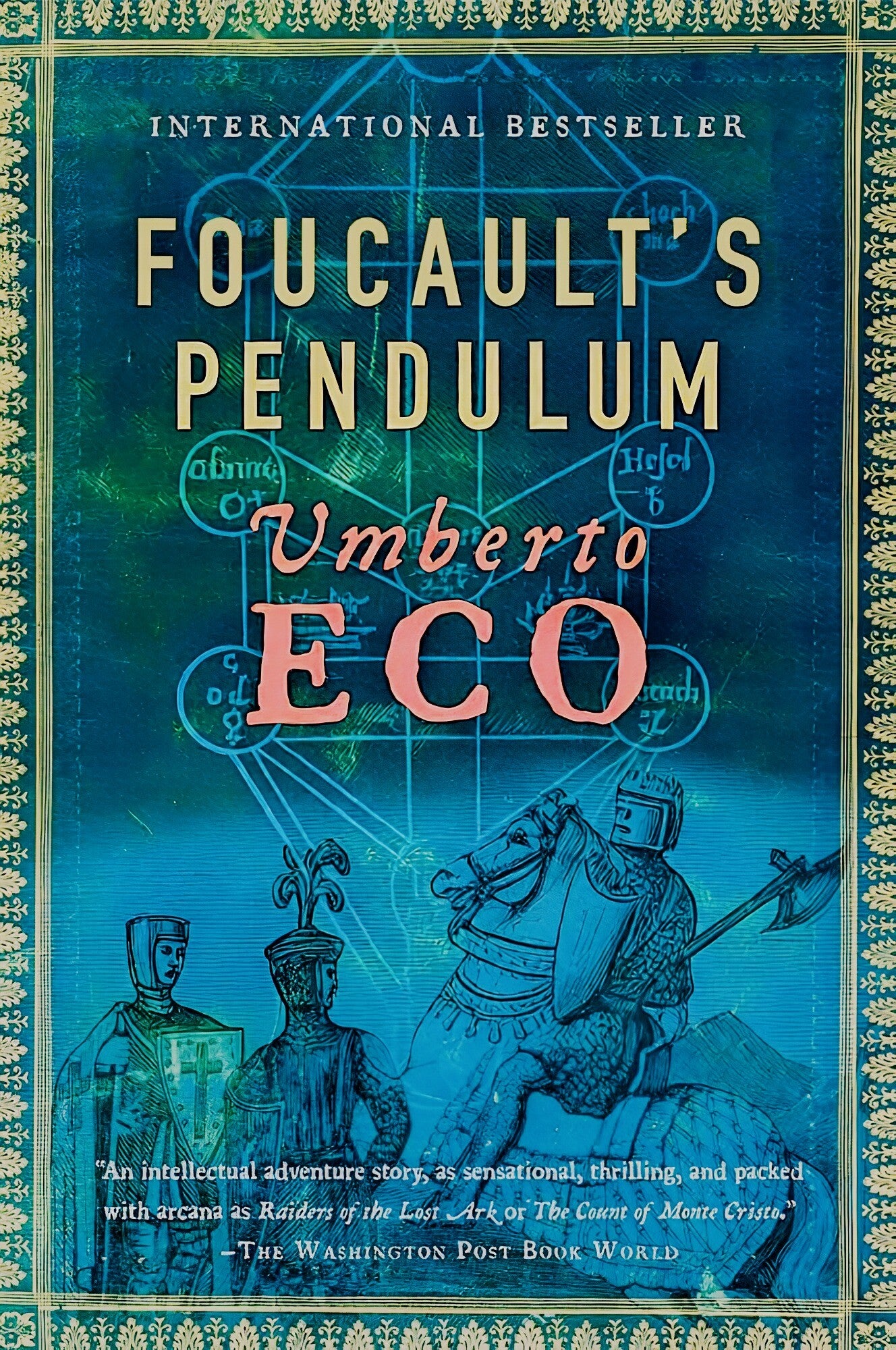
In his famous novel Foucault's Pendulum, Eco used satire to mock grand conspiracy theories, depicting how easily fake connections between historical secret societies (like The Knights Templar) can spiral out of control.
Critique of Mass Media:
Eco frequently criticised authors like Dan Brown for fueling and validating conspiracy theories in popular culture rather than satirizing them, warning that treating fiction as epistemic truth is dangerous.
Exposing Hoaxes:
His later novel The Prague Cemetery dissected the creation of antisemitic fabrications like The Protocols of the Elders of Zion, aiming to expose how toxic political falsehoods are deliberately manufactured.