Beyond the ordinary
Below are the supposed lyrics (by Musixmatch) to La Boier by Emerelle.
When the cowherd comes from plowing
Quand lo boier ven de laurar
When the cowherd comes from plowing
Quand lo boier ven de laurar
The plant is needle-like
Planta son agulhada
A e i o u
A e i ò u
The plant is needle-like
Planta son agulhada
He finds his wife at the foot of the fire
Tròba sa femna al pè del fuòc
He finds his wife at the foot of the fire
Tròba sa femna al pè del fuòc
Sad and heartbroken
Trista e desconsolada
A e i o u
A e i ò u
All heartbroken
Tota desconsolada
He gets sick, he says
Se n'es malauta digaz-o
He gets sick, he says
Se n'es malauta digaz-o
You'll make a stew
Te farai un potatge
A e i o u
A e i ò u
You'll make a stew
Te farai un potatge
With a raba, with a caulet
Amb una raba, amb un caulet
With a raba, with a caulet
Amb una raba, amb un caulet
A skinny little girl
Una lauseta magra
A e i o u
A e i ò u
A skinny little girl
Una lauseta magra
When I'm dead, bury me
Quand serai mòrta enterratz-me
When I'm dead, bury me
Quand serai mòrta enterratz-me
In the dungeon of the cava
Al prigond de la cava
A e i o u
A e i ò u
In the dungeon of the cava
Al prigond de la cava
Feet facing the wall
Los pés virats a la paret
Feet facing the wall
Los pés virats a la paret
The head below the cinnamon
Lo cap jos la canela
A e i o u
A e i ò u
The head below the cinnamon
Lo cap jos la canela
And the Romans that will pass
E los romius que passaràn
And the Romans that will pass
E los romius que passaràn
They will drink water
Prendràn d'aiga senhada
A e i o u
A e i ò u
They will drink water
Prendràn d'aiga senhada
And they will say, Who died here?
E diràn, Qual es mòrt aicí?
And they will say, Who died here?
E diràn, Qual es mòrt aicí?
This is poor Joana
Aquò es la paura Joana
A e i o u
A e i ò u
This is poor Joana
Aquò es la paura Joana
He went to paradise
Se n'es anada al paradís
He went to paradise
Se n'es anada al paradís
In the sky with your goats
Al cèl ambe sas cabras
A e i o u
A e i ò u
In the sky with your goats
Al cèl ambe sas cabras
Beyond The Ordinary
Lo Boier is an ancient Occitan traditional song from the Late Middle Ages, historically associated with the Cathar religious movement in Southern France.
It is written in Occitan (the historic language of the Languedoc region). In Occitan, 'lo' is the masculine definite article ('the'), and 'boièr' means 'oxherd' or 'herdsman'.
You will occasionally see it misspelled online as 'La Boier'. This is grammatically incorrect in Occitan because the word for herdsman is masculine, requiring the masculine article 'lo'.
Catharsis
Beyond The Ordinary
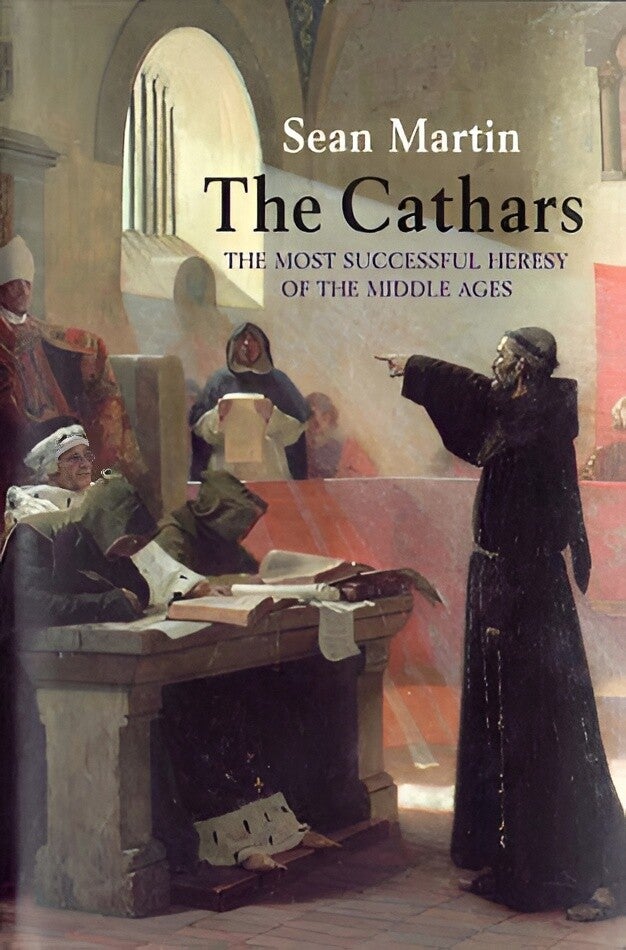
The Cathars (from the Greek katharoi, meaning 'pure ones') were a dualist Christian sect that flourished in Western Europe, particularly in the Languedoc region of southern France, during the 12th and 13th centuries. Because their beliefs directly challenged the Roman Catholic Church, they were violently eradicated by the Albigensian Crusade and the Inquisition.
Dualism:
They believed in two opposing divine principles: a good, spiritual God (who created the unseen, immaterial world) and an evil, malevolent god (who created the material world and physical body).
Anti-Materialism:
Because they viewed the physical world as a prison, they rejected the lavishness of the Catholic Church, marriage, and procreation. They were strict vegetarians and pacifists, viewing all killing as sinful.
The Consolamentum:
Instead of Catholic sacraments, they practiced a single spiritual baptism called the consolamentum. It was believed to purify the soul, forgive sins, and release the spirit from the material realm, often administered to the dying.
Hierarchy:
The faith consisted of ordinary lay followers ('Good Christians') and an elite, ascetic clergy known as the Perfecti. The Perfecti practiced strict poverty, celibacy, and fasting.
Persecution & Eradication:
Because Catharism criticized church wealth and rejected Catholic sacraments, Pope Innocent III declared the Albigensian Crusade in 1209. Tens of thousands of people were killed, and the Cathar movement was systematically destroyed by both the crusaders and the subsequent establishment of the Inquisition. The last major Cathar stronghold, the fortress of Montségur, fell in 1244.
Cathar Country Today:
Today, the mountainous region in southern France where they sought refuge is often referred to as "Cathar Country" (Pays Cathare). It is characterized by spectacular, isolated mountaintop fortresses such as Château de Quéribus, Château de Montségur and Château de Peyrepertuse.
Beyond The Ordinary
Li
Beyond The Ordinary
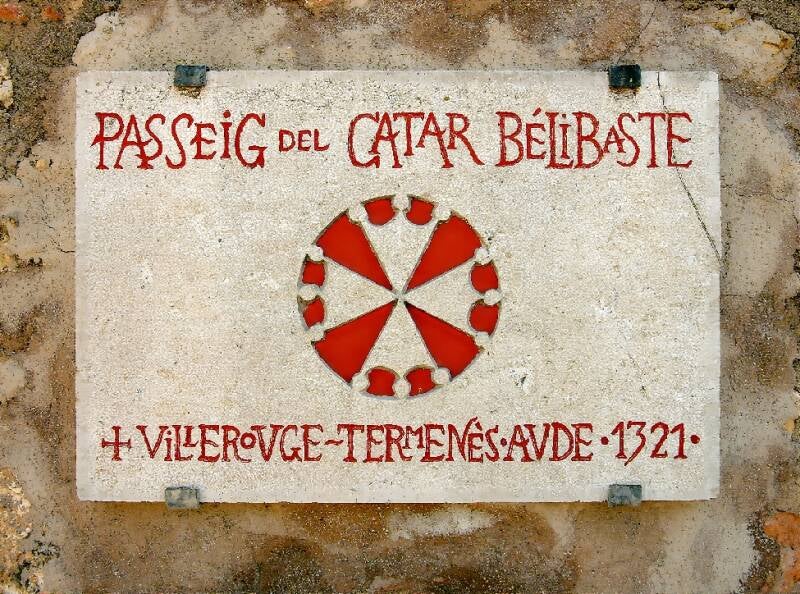
The plaque 👆 commemorates Guillaume Bélibaste (or Guillem Belibasta in Catalan), a significant historical figure from the 14th century.
Who He Was:
Bélibaste is considered the last Cathar Parfait (perfect) in Languedoc, a preacher of The Cathar Heresy.
His Fate:
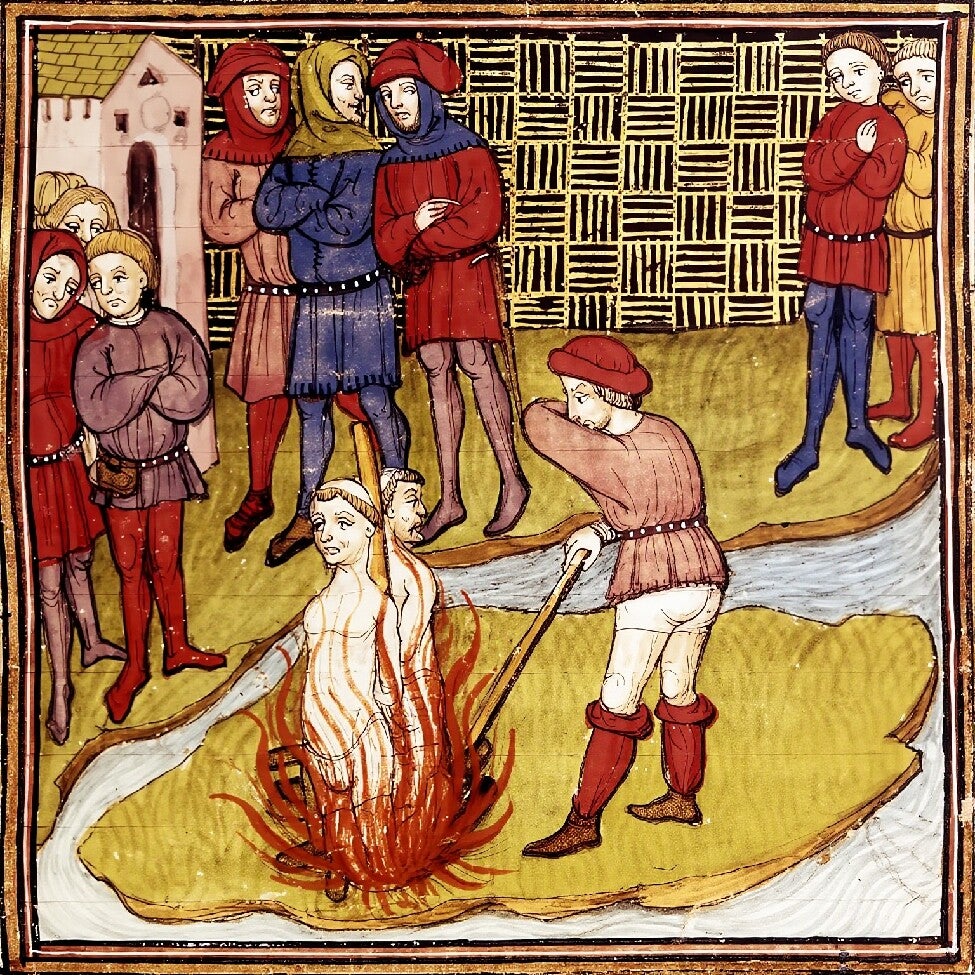
He was condemned by the Inquisition and executed by being burned at the stake in 1321.
Location:
This plaque is likely located in Villerouge-Termenès (implied by the text "Villerouge-Termenès Aude") or Sant Mateu, both associated with his life and death.
The Text:
The inscription 'Passeig del Catar Bélibaste' translates to 'Path of the Cathar Bélibaste" in Catalan.
Beyond the ordinary
Guillaume Bélibaste was the last known Cathar 'perfect' (parfait) in Languedoc. The Inquisition led by Jacques Fournier (later Pope Benedict XII) condemned him as a heretic, and he was burned at the stake in the courtyard of the Castle of Villerouge-Termenès in 1321.
Key Details & Historical Context.
Date of Execution:
August 21, 1321.
Location:
Castle of Villerouge-Termenès in the Aude region of southern France.
The Betrayal:
Bélibaste's capture was orchestrated by Arnaud Sicre, a spy for the Inquisition. Sicre infiltrated Bélibaste’s circle of followers in the Pyrenees after tracking him to Catalonia.
The Legacy:
At the stake, Bélibaste allegedly proclaimed: After 700 years, the laurel will become green again on the ashes of the martyrs'. His death is widely considered the final, fatal blow that ended organised Catharism in the region.
Beyond the ordinary
Guillaume is a traditional French masculine given name that translates to "resolute protector" or "with gilded helmet". It serves as the direct French equivalent to the English name William 🙂.
Origin and Meaning Breakdown.
Etymology:
The name comes from the Old Germanic name Willahelm, which is composed of two roots: Willo (meaning will, desire, or resolution) and Helm (meaning helmet or protection).
Symbolism:
Because of the 'helm' root, it historically carries the poetic imagery of a warrior or knight in a golden headpiece, symbolising prestige and military prowess.
French-to-English Transition.
You might wonder how William became Guillaume. When Germanic tribes migrated into France, Old French and Norman dialects transformed Germanic 'W' sounds into 'G' sounds. Therefore, William became Guillaume, just as Walter became Gauthier.
Pronunciation.
In French, the name is pronounced gee-YOHM. (Phonetically: /ɡiˈjoʊm/).
Beyond the ordinary
Beyond The Ordinary
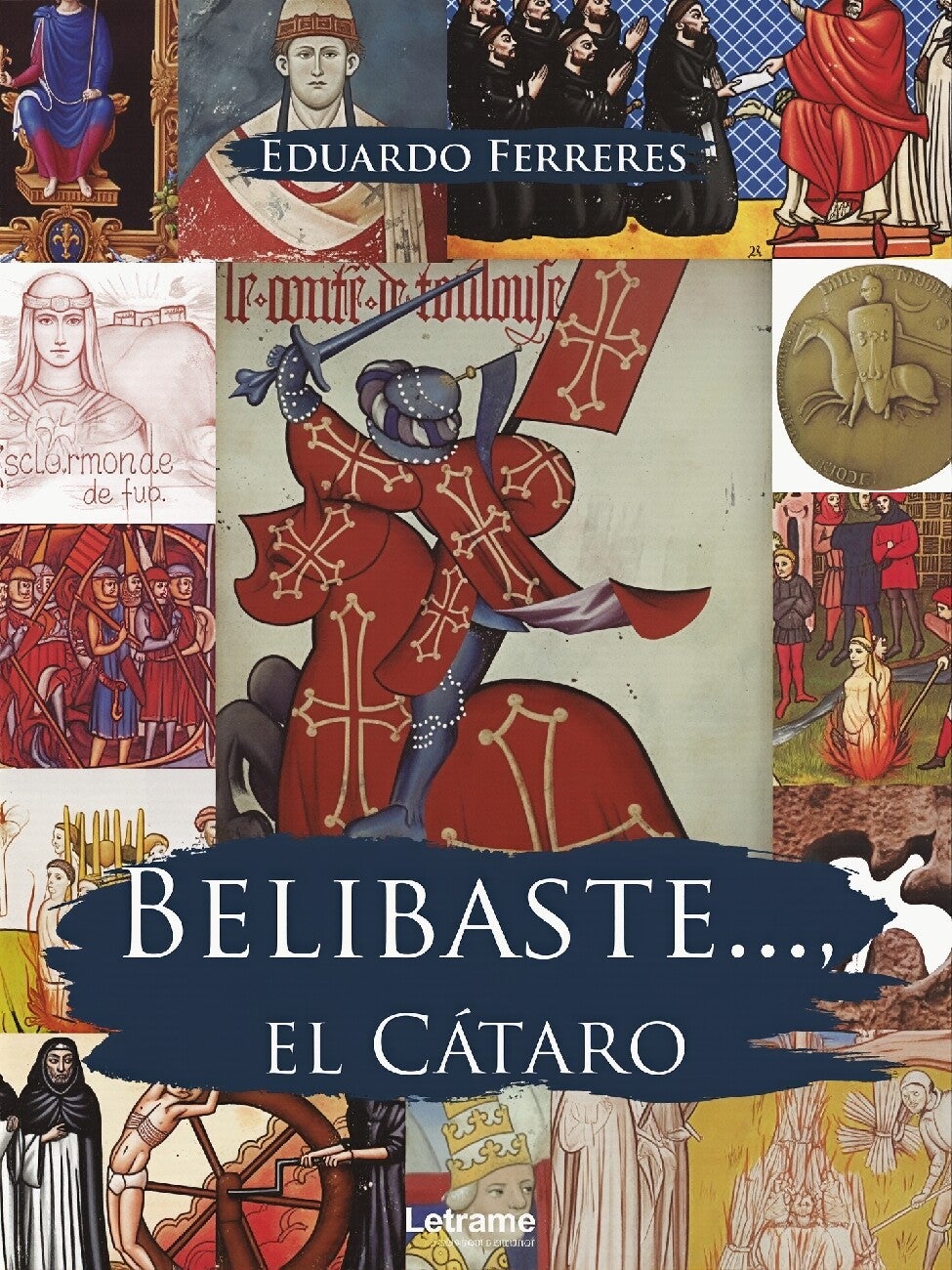
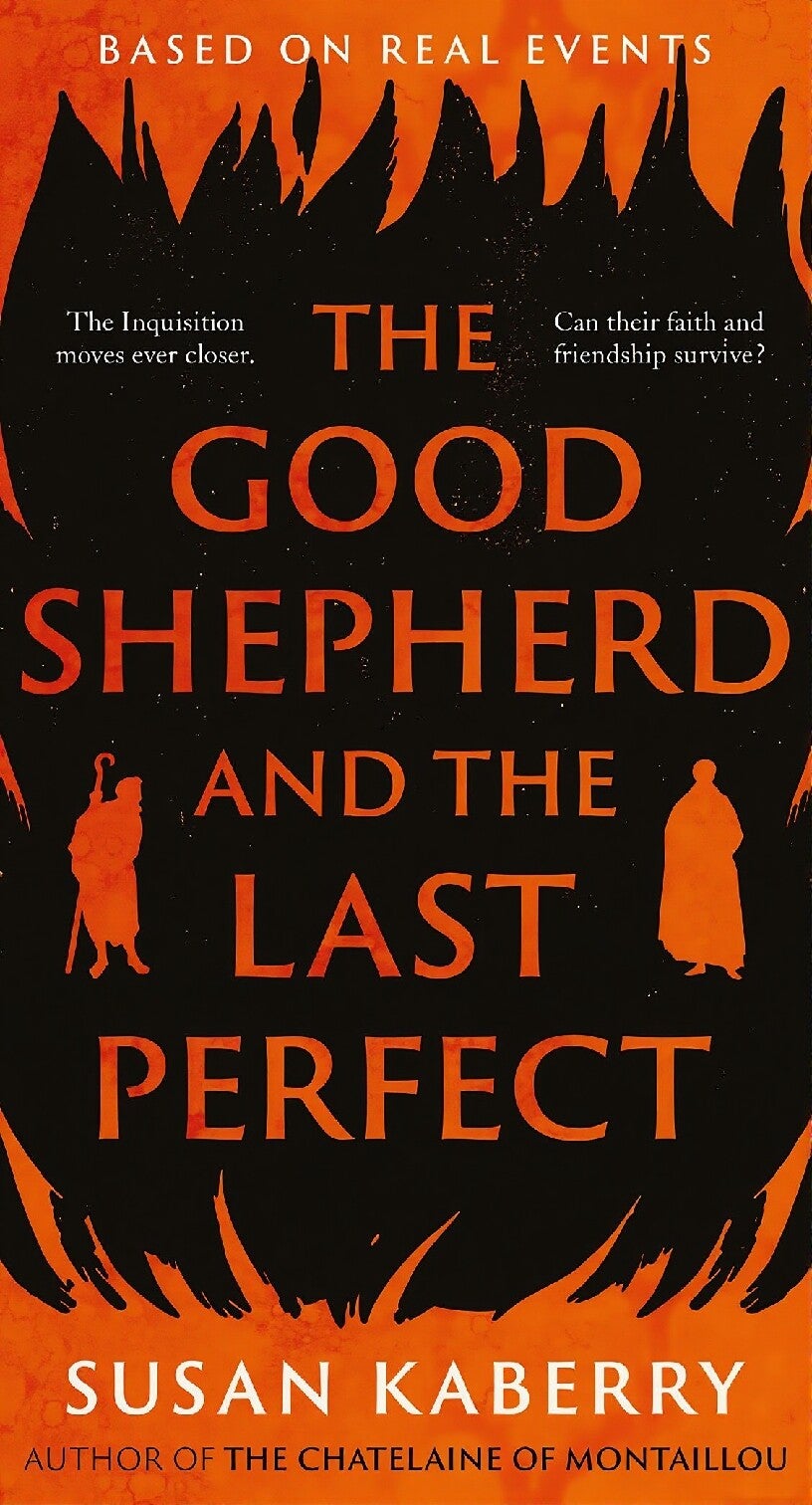
Eduardo Ferreres Castell's 2022 novel, Belibaste, the Cathar, explores the life and final, fateful days of Guillaume Bélibaste, the last recognised Cathar Perfect. This 528-page work delves into the philosophical and theological complexities of the Cathar faith, addressing themes of free will and the search for perfection, culminating in the 1321, inquisition-led execution.
Beyond The Ordinary
Everything burned, the Greeks exclaimed when defining the Holocaust.
Where is my God when satanic furies emerge from Faust?
Does the creator not watch over this world, as the supreme being?
Why do you leave your work to free will?
Satan undoubtedly exists…but doesn't God?
Human thirst to perfect the world.
Earthly illusion, vain thought of aimless egos.
Nobody should strive to be perfect, it's not a game.
I am a perfect Cathar, I smell of "everything burnt", of the Holocaust.
Where is my freedom of thought?
It does not exist, if you expect it from the divine God.
The perfection of things is the most imperfect thing in this world.
I love what pleases me, which isn't everything.
I open my heart to my neighbor.
I smile excessively, it's tempering.
I am a good believer in my God… perfect.
Beyond The Ordinary
In Eduardo Ferreres Castells' novel, the term holocaust refers to the destruction of the Cathar people and their faith. This specifically centers on the brutal, systemic persecutions—ranging from the military annihilation of the Albigensian Crusade to the inquisitorial burnings of the 13th and 14th centuries. The historical context and tragic conclusion of this era are highlighted by several key events in the story.
The Albigensian Crusades:
Starting in 1209, the Catholic Church launched military campaigns to eradicate Catharism in the Languedoc region of southern France. These crusades were marked by massacres, most notably the notorious burning of 200 Cathars at Montségur.
The Spanish Exile:
Fleeing the reach of the Inquisition, surviving Cathar faithful and "Perfects" (spiritual leaders) sought refuge across the Pyrenees in Catalonia and the Kingdom of Valencia.
The Execution of Guillaume Bélibaste:
The historical and narrative climax of the holocaust of the Cathars is the execution of Bélibaste in 1321. As the last known Cathar "parfait," he was captured by Inquisition spies, handed over to French authorities, and burned alive at the stake in the courtyard of the Castle of Villerouge-Termenès.Bélibaste's execution symbolizes the ultimate eradication of the Cathar religion in medieval Europe.
Beyond The Ordinary
There are parallels between the history of The Cathars and the history Of The Templars.
For the following, 👁 also The Crusade.
1231: an important date in The Histoty Of The Templars (THOTT) - and, of course, others.
1312: another important date in THOTT associated with their historical termination.
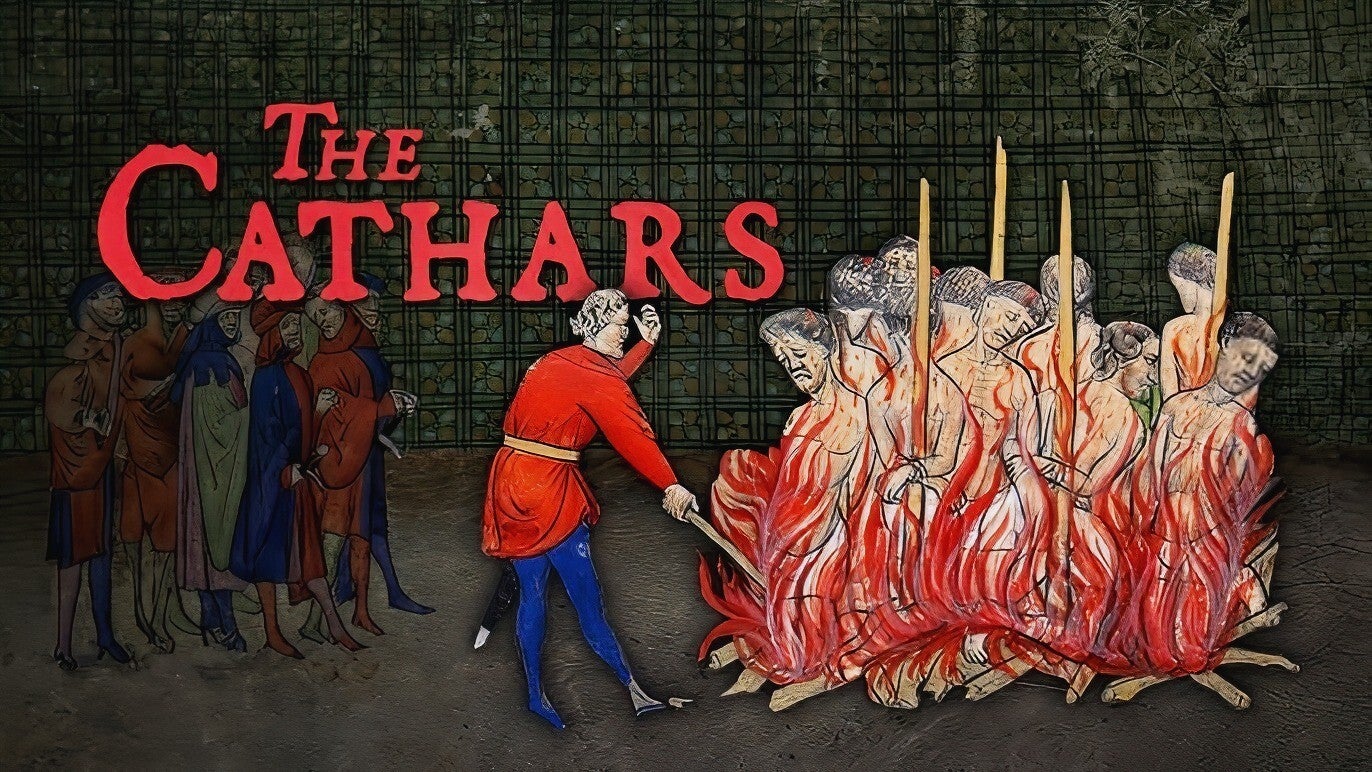
1321: an important date in The History Of The Cathars (THOTC). Again, a date associated with historical termination.
Note that each of the above dates is a permutation of the other two ie. all three dates use only the digits 123 + 1.
Beyond The Ordinary
Li
Beyond The Ordinary
Li
Beyond The Ordinary
Beyond The Ordinary
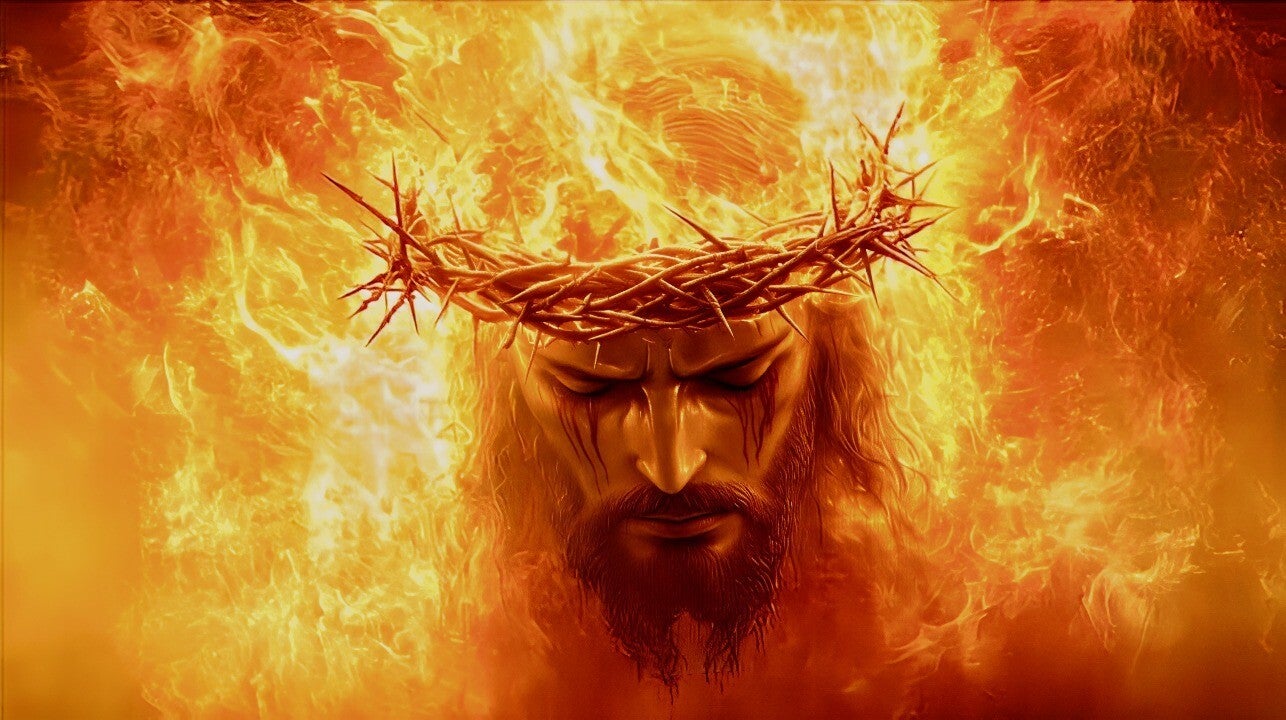
Jesus In The Fire most commonly refers to the popular biblical story of Shadrach, Meshach, and Abednego in the fiery furnace (Daniel 3). It is a powerful metaphor used in Christian theology to represent God being present with you during intense trials, suffering, or difficult circumstances.
The Biblical Story.
In the Old Testament, three Hebrew men—Shadrach, Meshach, and Abednego—refused to worship a golden idol set up by King Nebuchadnezzar. Furious, the king threw them into a blazing furnace that was heated seven times hotter than usual.
The Fourth Man:
The king looked into the fire and was shocked to see four men walking around completely unharmed, with the fourth man looking 'like a son of the gods' or an angel. Many Christian theologians believe this fourth figure was a pre-incarnate appearance of Jesus Christ, protecting His followers.
The Spiritual Meaning:
The story is widely used to illustrate that while God does not always prevent us from going through difficult situations (The Fire), He promises to walk with us through the heat, protecting and comforting us in the process.
Beyond The Ordinary
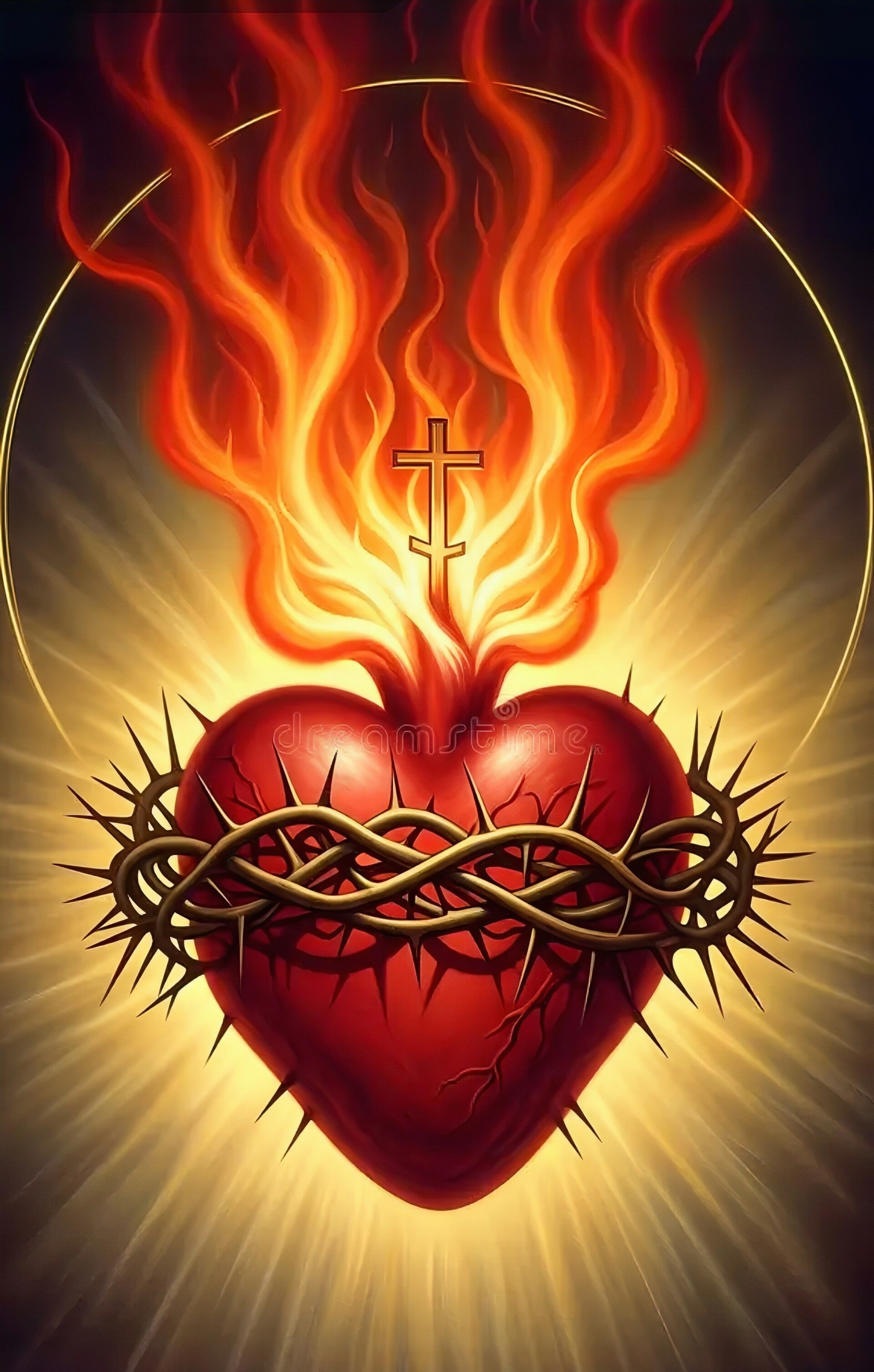
The Sacred Heart: In Christian art, the Sacred Heart of Jesus is traditionally depicted wrapped in thorns and blazing with fire, symbolising his intense, consuming love for humanity.
Beyond The Ordinary
The Sacred Heart is one of the most widely practiced and recognisable devotions in the Catholic Church, representing Jesus Christ's physical heart as the representation of his divine love for humanity.
Traditional Symbolism.
The Heart: Represents the center of Jesus's being and the seat of his immense love.Flames: Signify a "consuming fire" of divine charity and zeal for the salvation of souls.Crown of Thorns: Wrapped around the heart, it recalls the Passion of Jesus and the pain caused by human sins.The Cross and Wound: A small cross often sits atop the heart, and the organ is pierced with a wound, symbolizing the lance strike Jesus endured on the cross and the ultimate sacrifice he made.
Origins and Spread.
Saint Margaret Mary Alacoque: The modern devotion is largely traced back to this 17th-century French nun. She reported receiving multiple visions of Jesus between 1673 and 1675, in which he revealed his heart and requested that a feast day be established in its honor. Jesuit Influence: Her confessor, Saint Claude de la Colombière, a Jesuit priest, actively promoted the devotion, helping it spread throughout the Catholic Church. Feast of the Sacred Heart: It is a solemn feast day in the liturgical calendar, celebrated on the first Friday after the Solemnity of the Most Holy Body and Blood of Christ (Corpus Christi).
Cultural Impact.
In art, the motif is widely seen in paintings, stained glass, and statues. Beyond religious art, the imagery of a flaming, thorn-wrapped heart heavily influenced popular culture, most notably inspiring the design of the traditional Mexican Milagro folk art charms and various regional emblems.
Beyond The Ordinary
Cathar and catharsis are related. Both words trace back to the same ancient Greek root, katharos, which means 'pure" or 'clean'.
Catharsis:
This word comes from the Greek katharsis, meaning 'purification' or 'cleansing'. It was originally a medical and spiritual term for purging the body or soul, but today it is mostly used in psychology and literature to describe the release or purging of strong emotions.
Cathar:
The name for members of this medieval Christian sect comes from the Medieval Latin Cathari, which translates to 'the pure ones'. They adopted this name to reflect their strict, ascetic lifestyle and desire for spiritual purity.
Beyond The Ordinary
Li
Beyond The Ordinary
Li
Beyond The Ordinary
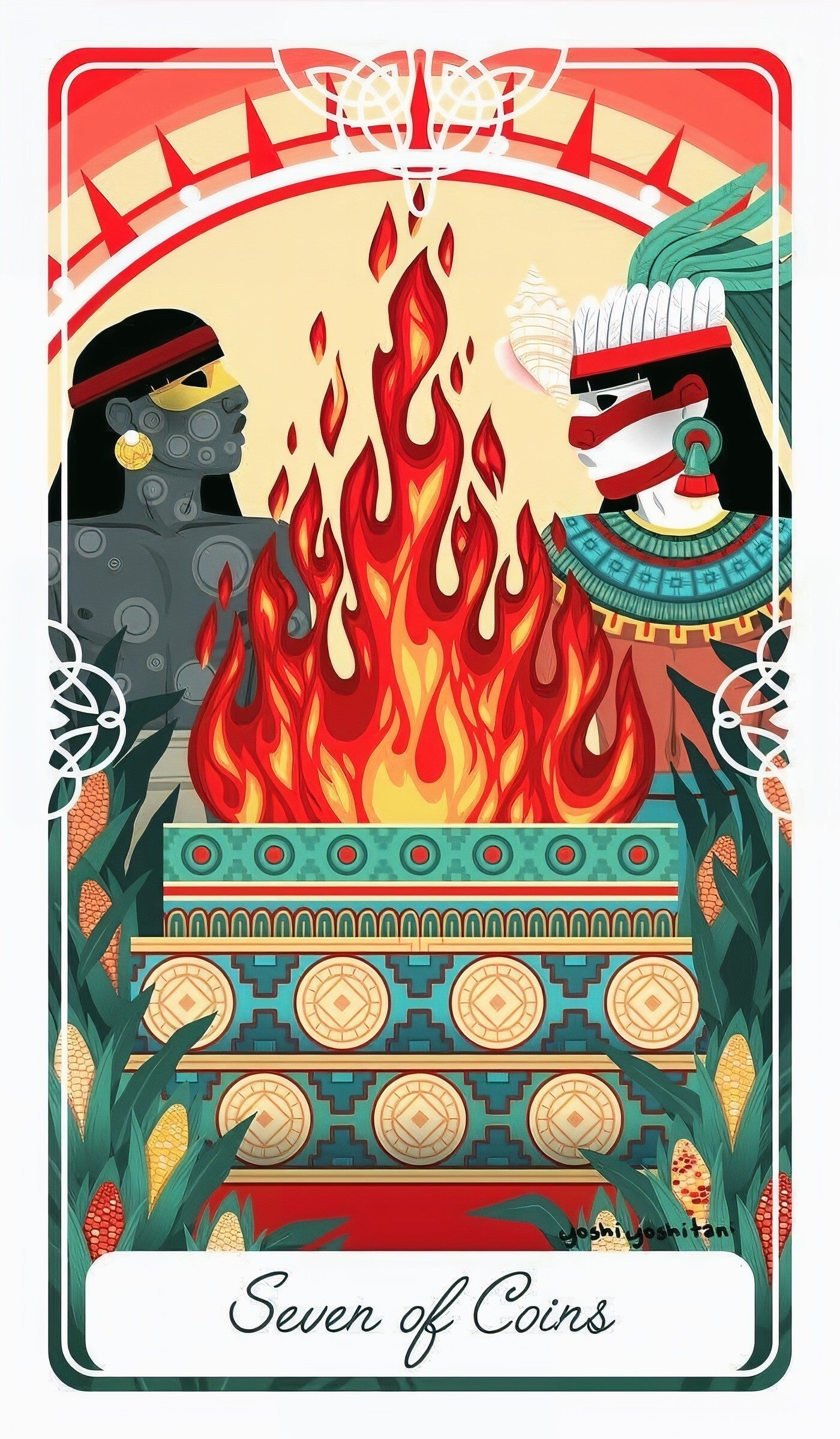
In Qu, 7 is the number of Christ - a god prepared to sacrifice himself for the good of The World.
Beyond The Ordinary
This image is the Seven of Coins tarot card from the Tarot of the Divine deck by Yoshi Yoshitani.
Subject Matter:
The card illustrates the Aztec myth of Nanahuatzin, who must decide whether to patiently wait for a reward or sacrifice everything to start fresh.
Symbolism:
Upright, this card represents perseverance, decisions, and investment leading to fruition.