
A MISinformation INTERRUPTED SERVICE MSG
from 𝗧𝗵𝗲 𝗦A𝗗 𝗦𝘂𝗳𝗳𝗲𝗿𝗲𝗿: Normal Service Might Be Resumed Tomorrow. ♞♟️
🔹️Some Music While You Wait 🔻

Beyond The Ordinary
⚠️ Warning 🔻
SOLO(W & sometimes SOHIGH) OBOE
With me metaphorically always playing an OBOE in the style of a multitalented Neo Groucho Marx, Mozart's iconic piece is William (H) Shakespeare's play A Comedy Of Errors (OBOEs) set to music.
Note that KV 34 is an invention in 3 parts (Part 1, 2 and 3) with an Introduction.
Beyond The Ordinary
T
RaZ-Putin: The Mad Monkey (you can pronounce Z as S)
Welcome to The Planet Of The Apes
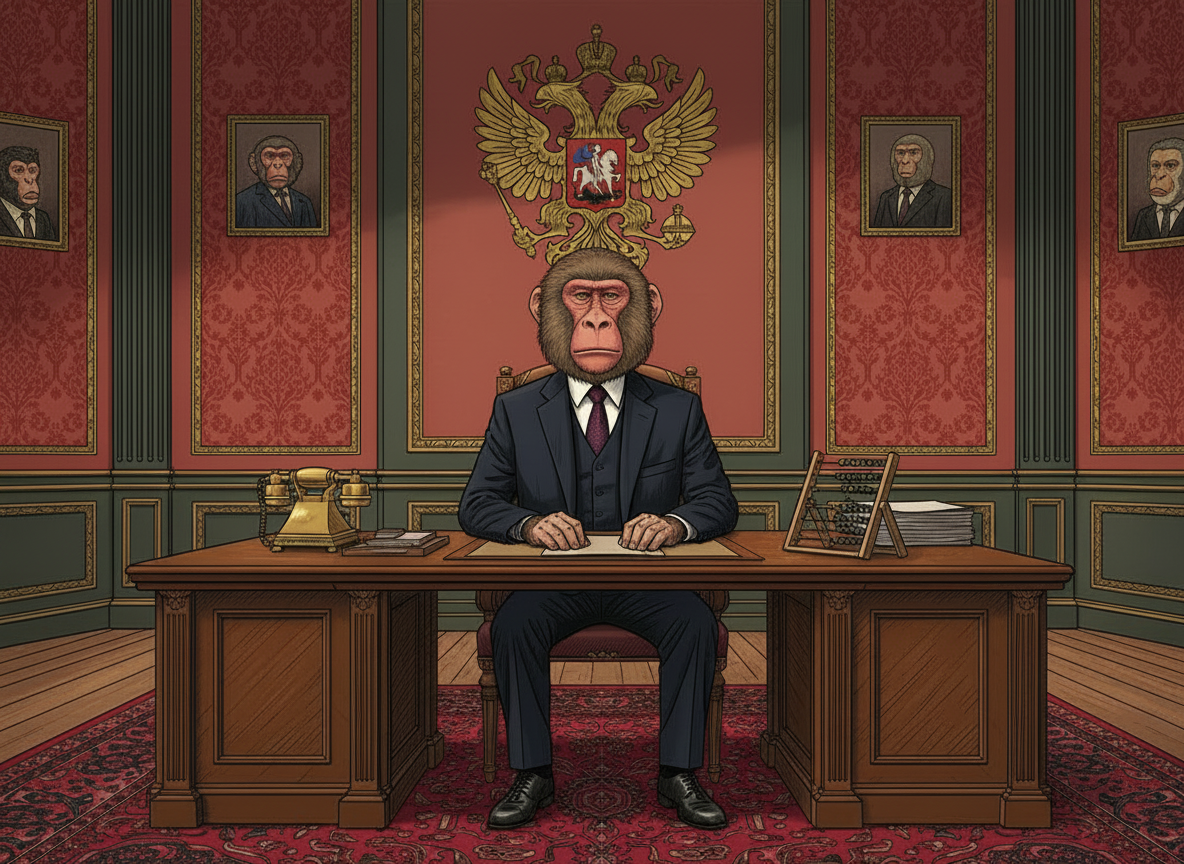
RazPutin with The Double Eagle and St. George [pure CH4N2O (or CHANZO)-take].
A 'pi**-take' is a British and Commonwealth slang term for an act of mocking, teasing, or parodying someone or something. It can refer to making fun of a person (like a joke or prank) or it can mean a lampoon or parody of a situation or event. CH4N2O (CHANZO) is the chemicsl formula for Urea.
👁
EXORcise Evil
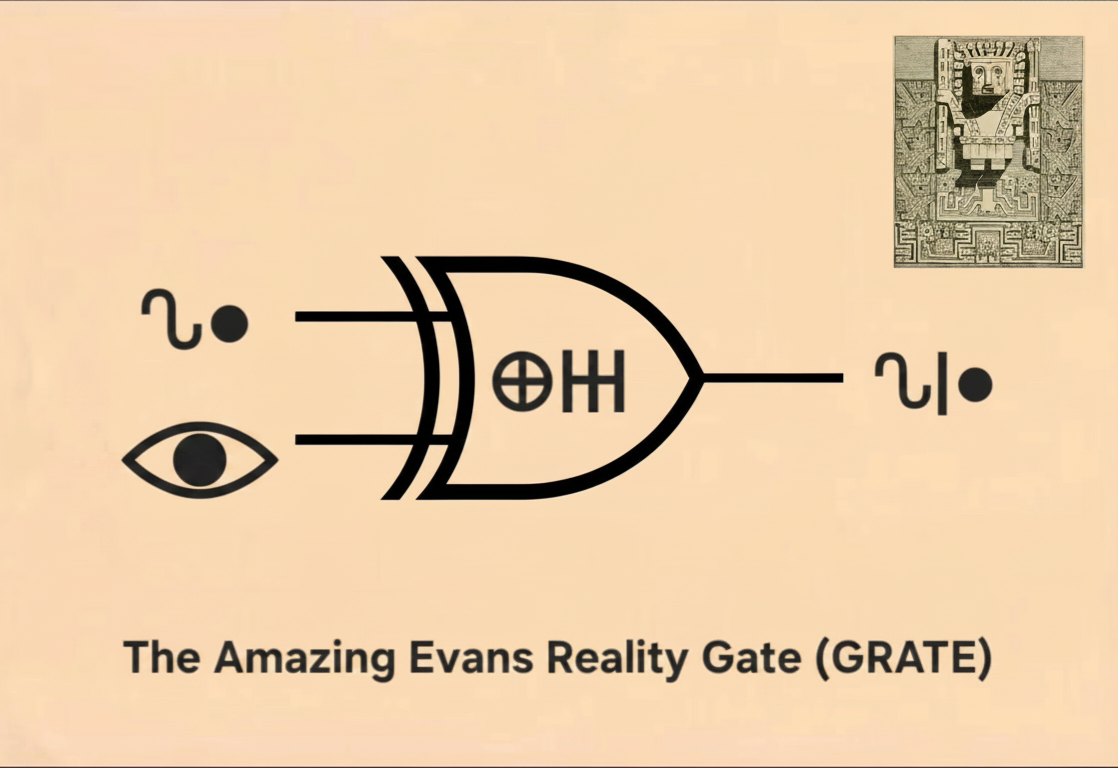
ⴺVOLVⴹ
Sometimes, Red and Blue are complementary and not in opposition.
Beyond The Ordinary
🔴 Red player versions of characters from faction. It's all part of the same war.

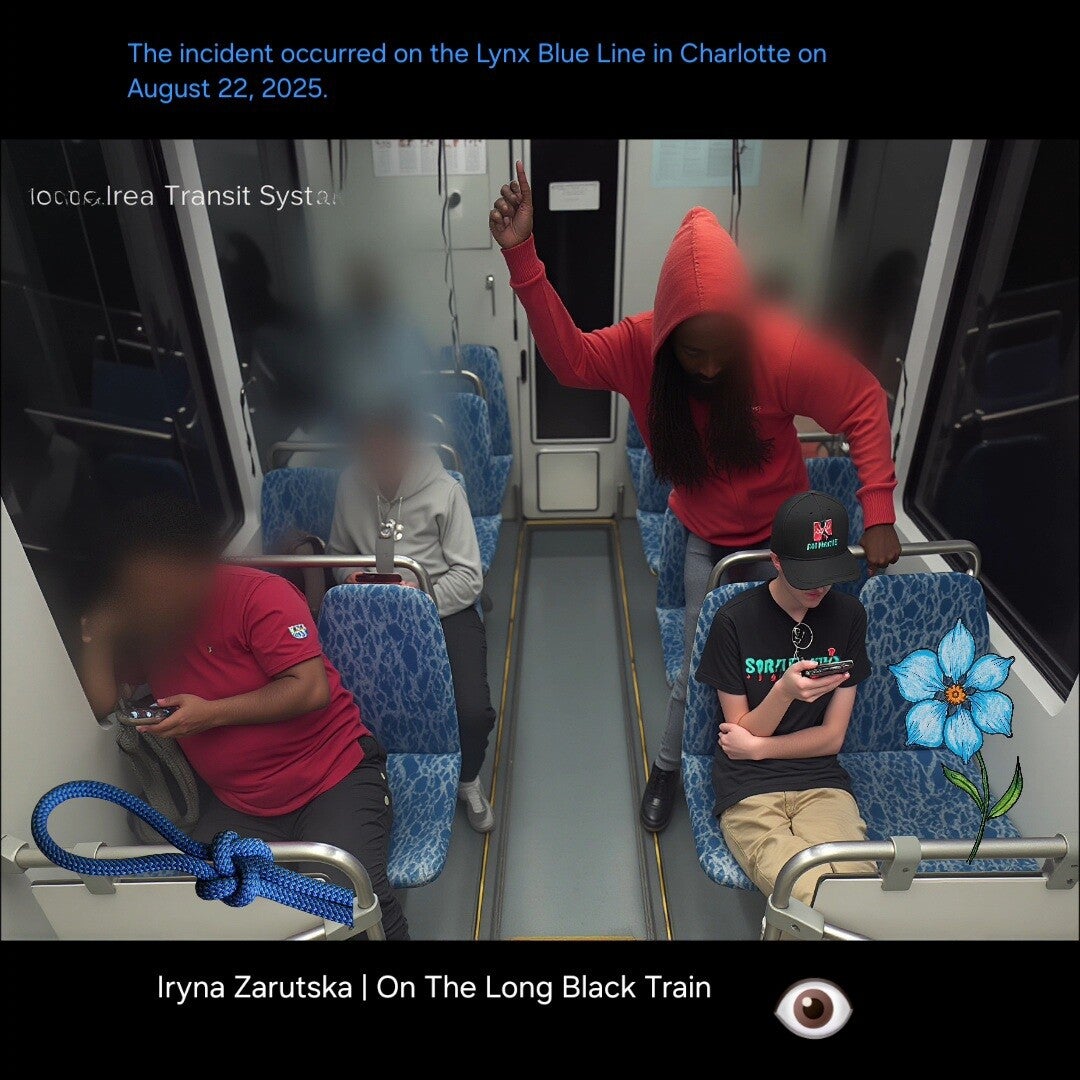
Fair Margaret (On The Long Black Train). Sweet William is often a victim too. Let us never forget...any of them.
Simultaneously, we are all onboard a gravity train.
Beyond The Ordinary
Beyond The Ordinary

Beyond the ordinary
This is where our journey begins. Get to know our business and what we do, and how we're committed to quality and great service. Join us as we grow and succeed together. We're glad you're here to be a part of our story.
POIGNANCY: Rest In Peace
I walked her home one night then learned the next day that she had passed away.
ЯR: Requiescat and Requiem.
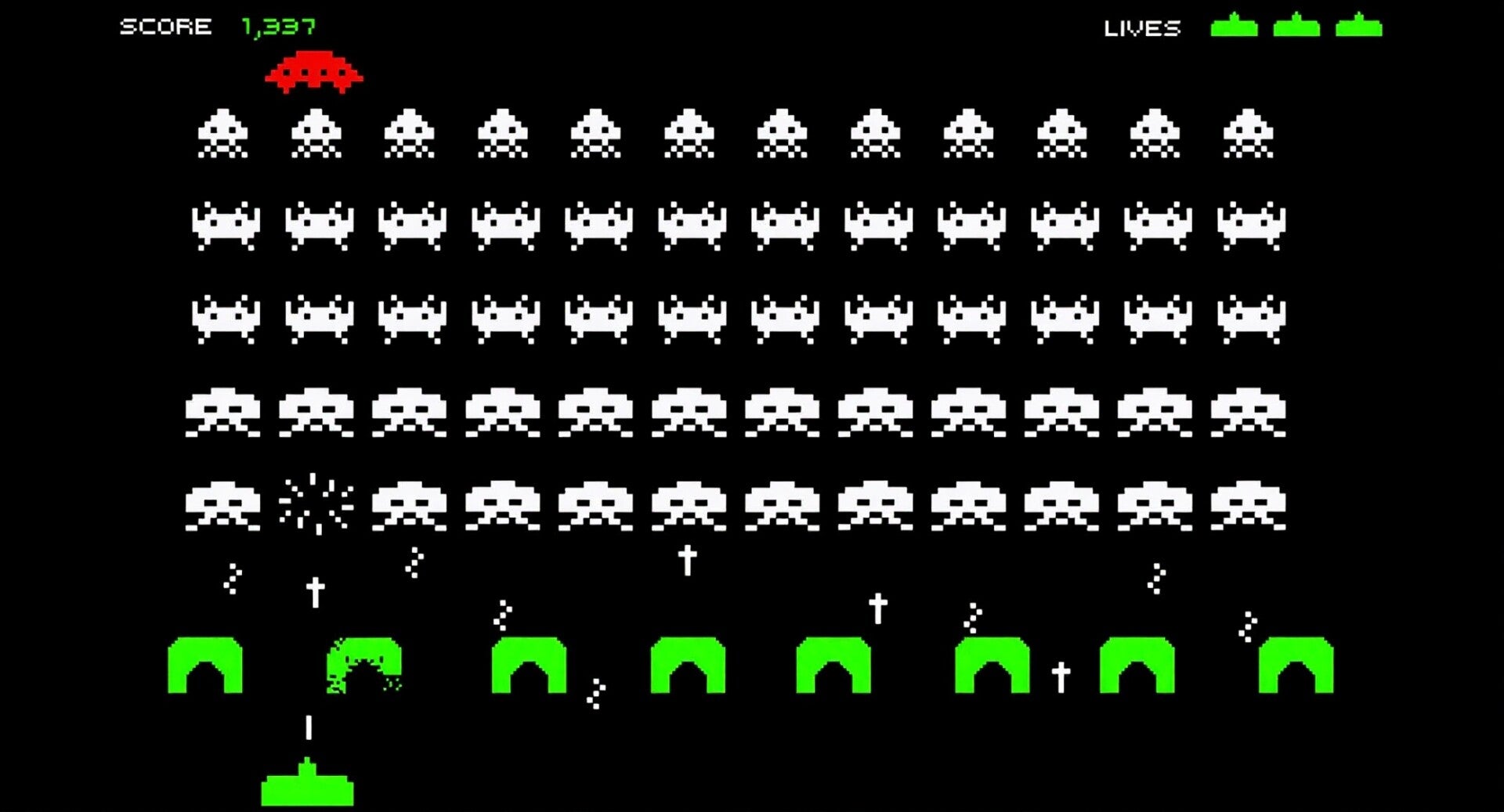
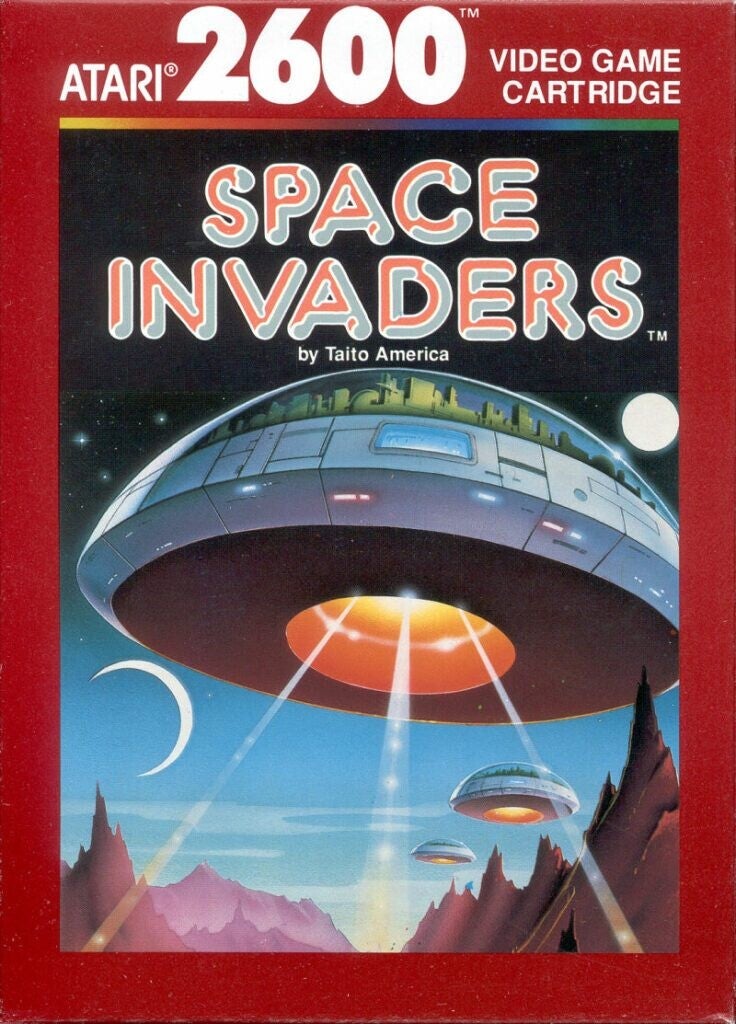
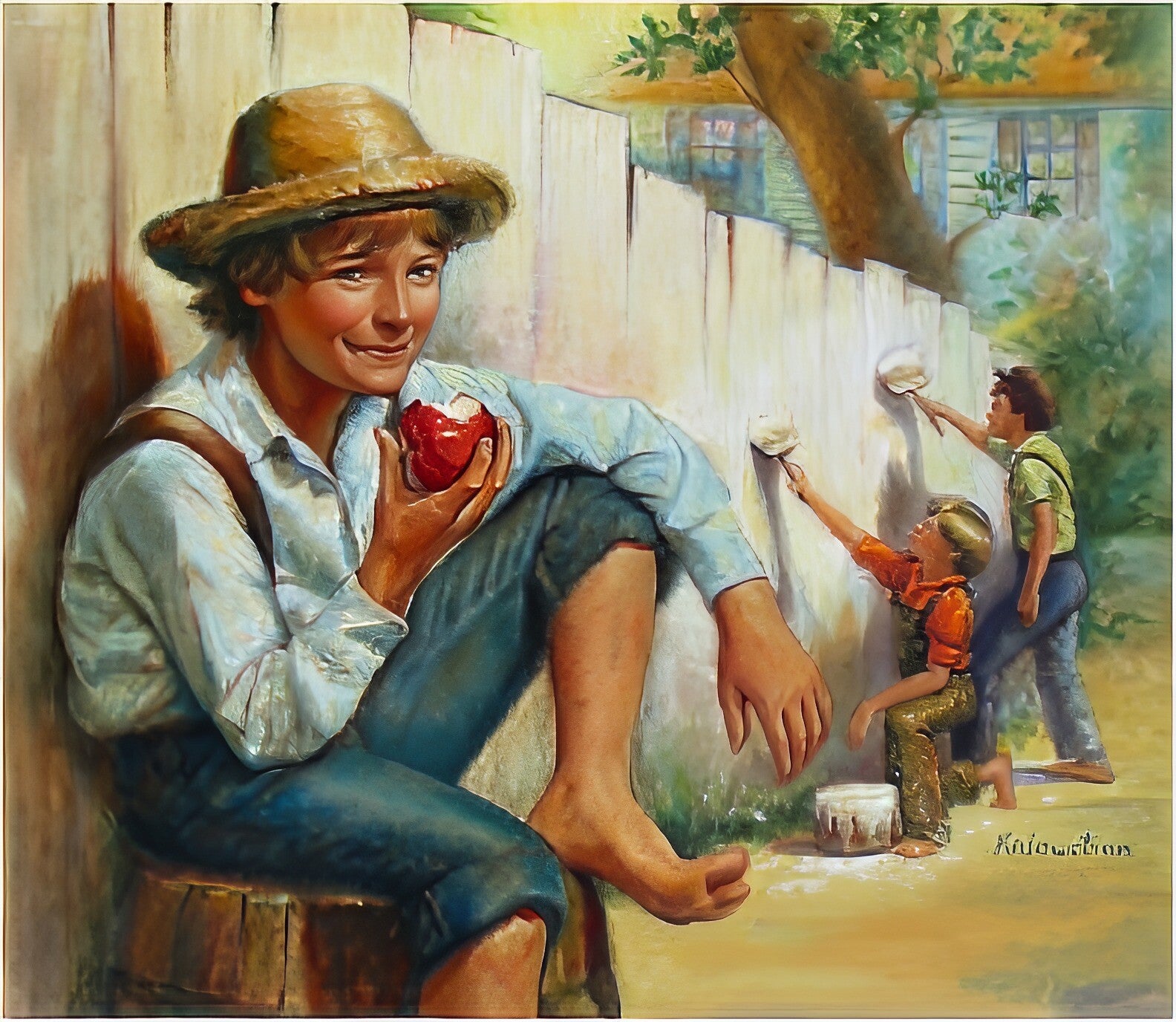
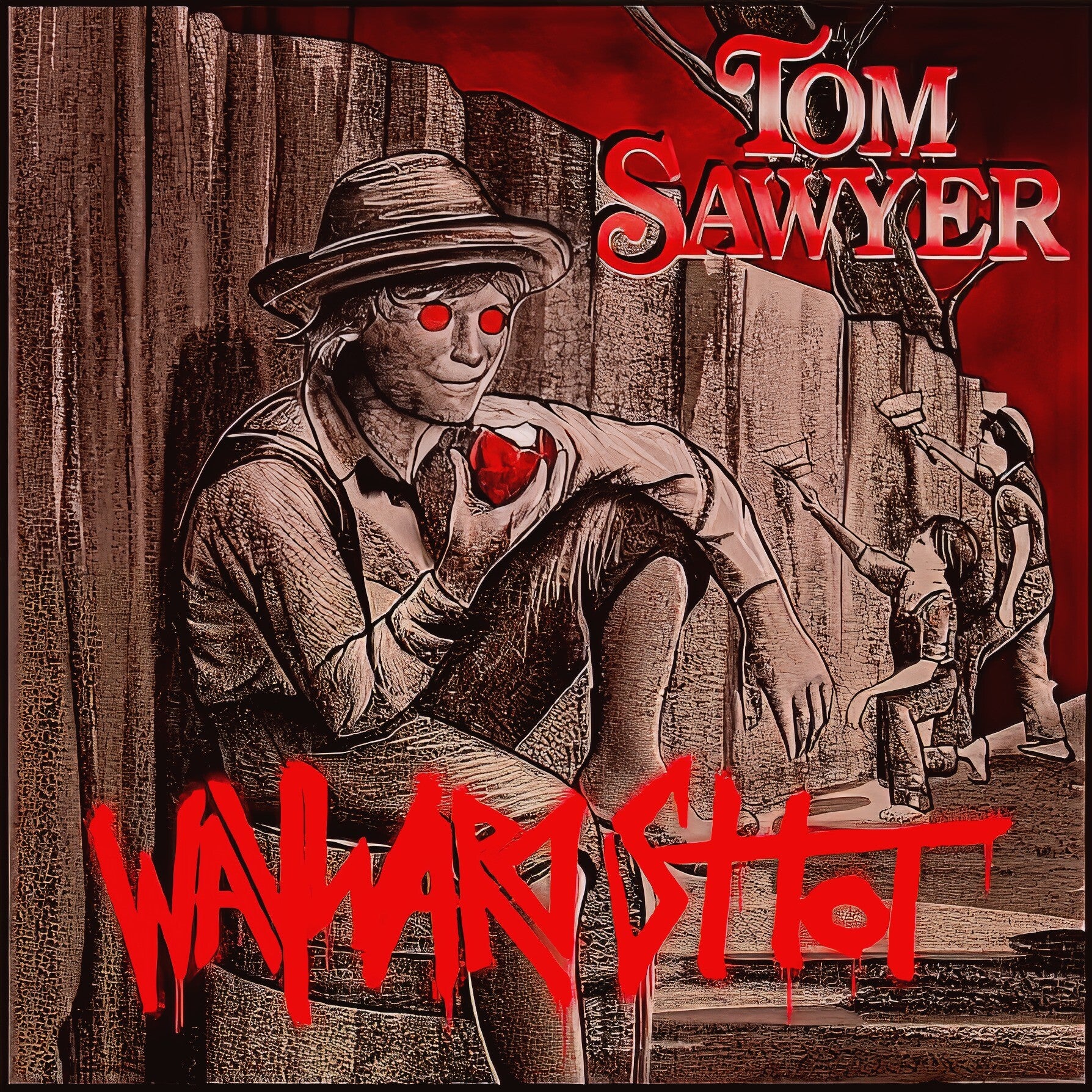
ЯR primarily represents A Space Invader. Taken from the early video game Space Invaders, this symbol can invoke the idea of a powerful character who acts in favour of decent people. In the Rush song of the same name, a character referred to as a ЯR is given the name Tom Sawyer.
I'm 🔹️ Blue Da Ba Dee. And so is She.
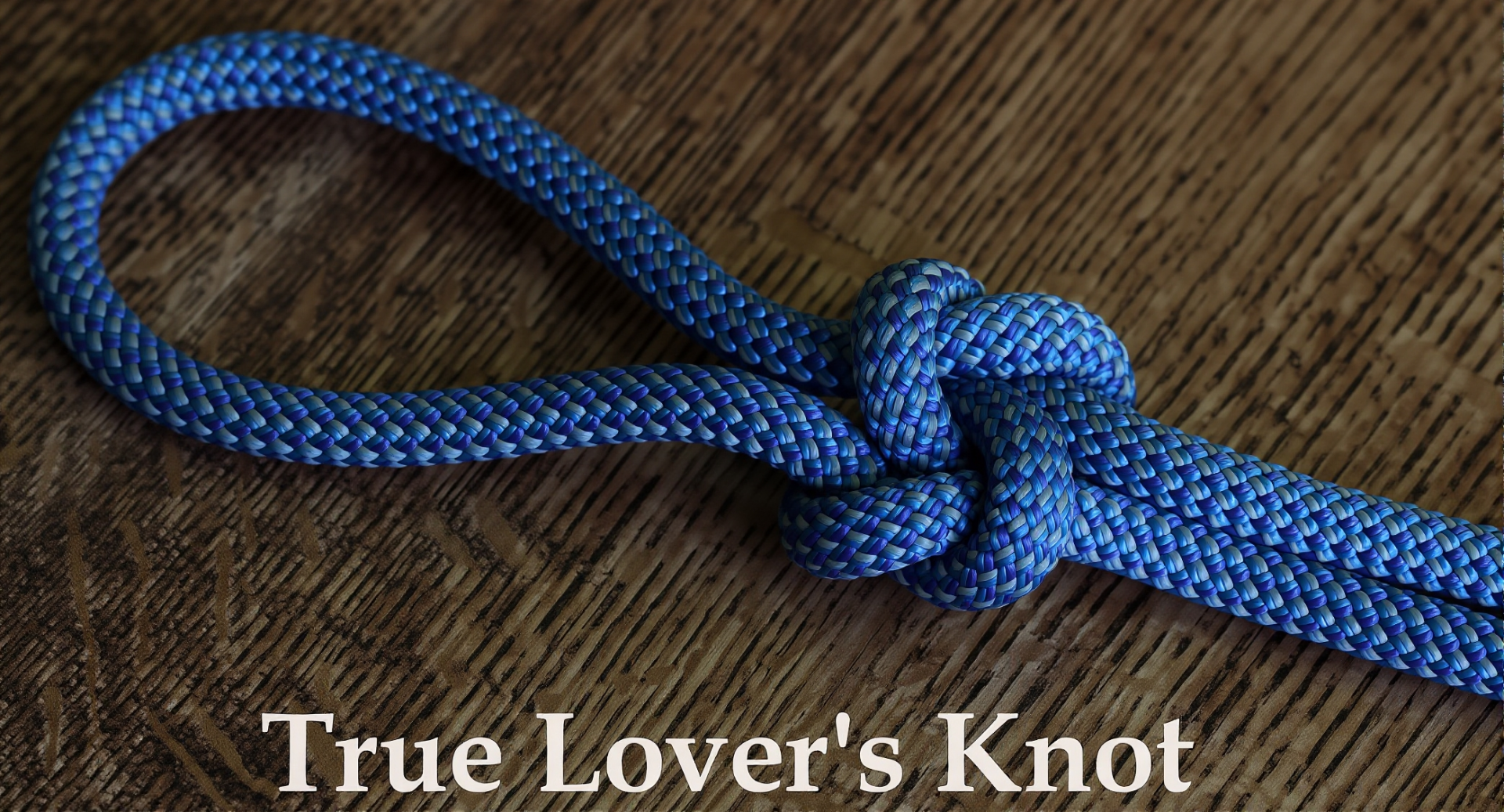
🔴 Red, when complementary, can be a very 🔵 Blue colour ❤️💙
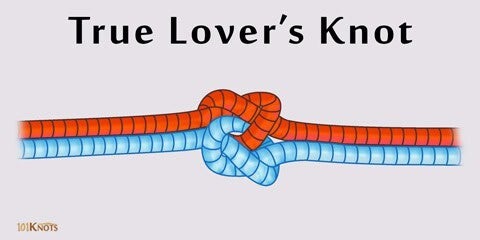
Beyond The Ordinary
In mythology and ancient symbolism, the knot associated with a platonic union or spiritual partnership is the True Lover's Knot.
The Symbolism of the True Lover's Knot.
In ancient and classical traditions, platonic relationships are built on a deep, non-romantic, spiritual, and intellectual connection. The True Lover's Knot consists of two separate, intertwined lines that wrap around one another but remain structurally independent. This symbolises an unbreakable, eternal union of souls that are inseparable, yet flexible and independent in their movement.
Other Knots Associated With Spiritual Unions.
If you are looking for related concepts or other types of union knots, a few others are worth exploring.
The Celtic Knot (or Endless Knot):
Often referred to as the Eternity Knot. It is a continuous loop with no beginning and no end, symbolising the infinite, unbreakable, and cyclical connection between two people or things.
The Solomon’s Knot:
An ancient motif made of two intertwined loops. In many historical traditions, it signifies the spiritual union and deep connection between human and divine spheres.
Beyond The Ordinary
Sweet William arose on a May morning
And he's dressed himself in 🔹️ blue;
We want you to tell the long love that’s been
Between Lady Margret and you
“Well, I know nothing Lady Margret’s love
And I know she don’t love me
Before tomorrow morning at eight of the clock
Lady Margret a bride shall see.”
Lady Margret was a-sitting in her own bower room
Combing back her yellow hair
When who should she see but Sweet William and his bride
And the lawyers a-riding in
Fair Margaret and Sweet William
🔻
Forever (adjective) Friends
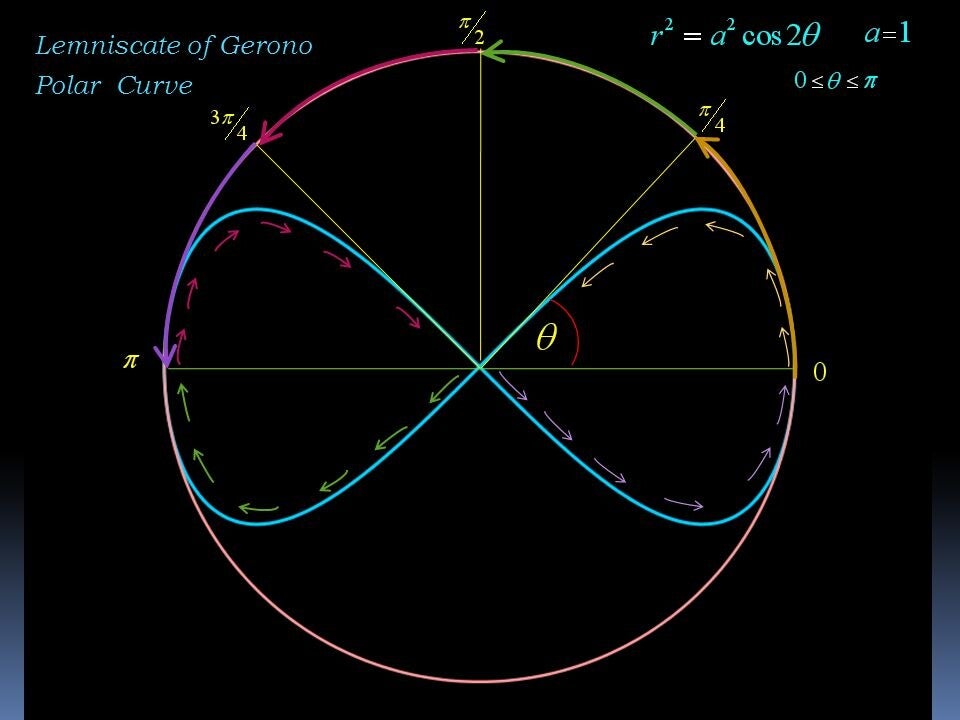
I like the friendship pair 🔻14595 and 🔹️12285. Curiously, while we are both on the same train, we are both in the same FriendShip. Moby's Train is also A FriendShip Train.
🔴 Special Numbers 🔵
14595 12285
Both of these numbers have divisors 15 and 35; which are themselves both products of 5, 3 and 7.
Also, 14595 - 12285 = 2310; The Bricks Numbers plus 0.
2310 is, we note, divisible by any number of the digit set{123567} and any product of a pair taken from set{123567} except 3×6 (18). 2×6 appears as OBOE 11.
Beyond The Hype(d Land Of Sheep)
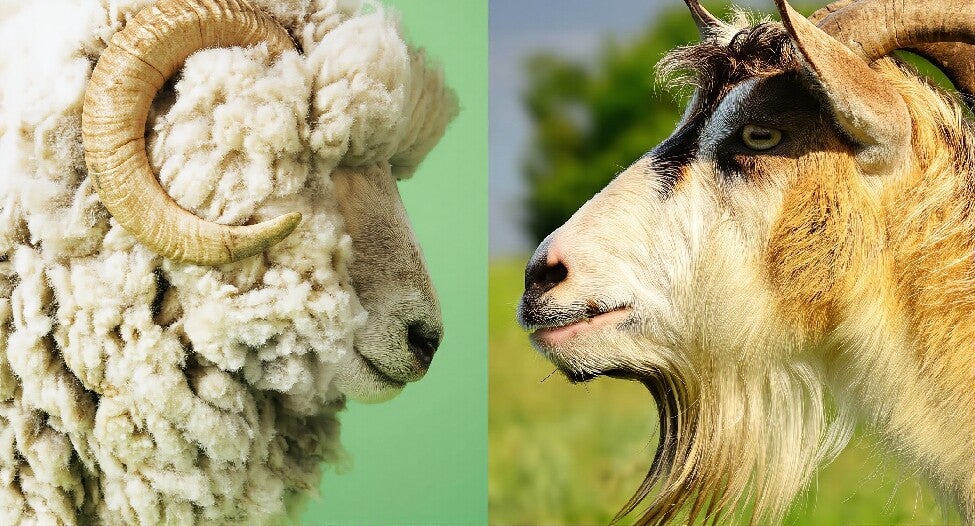
Proud to be a member of The Goat Nation of The Righteous. Some sheep are OffTheRailis. 👁 GOATS AND SHEEP: GAS
(Inter)Net And Yahoo - and A Landline
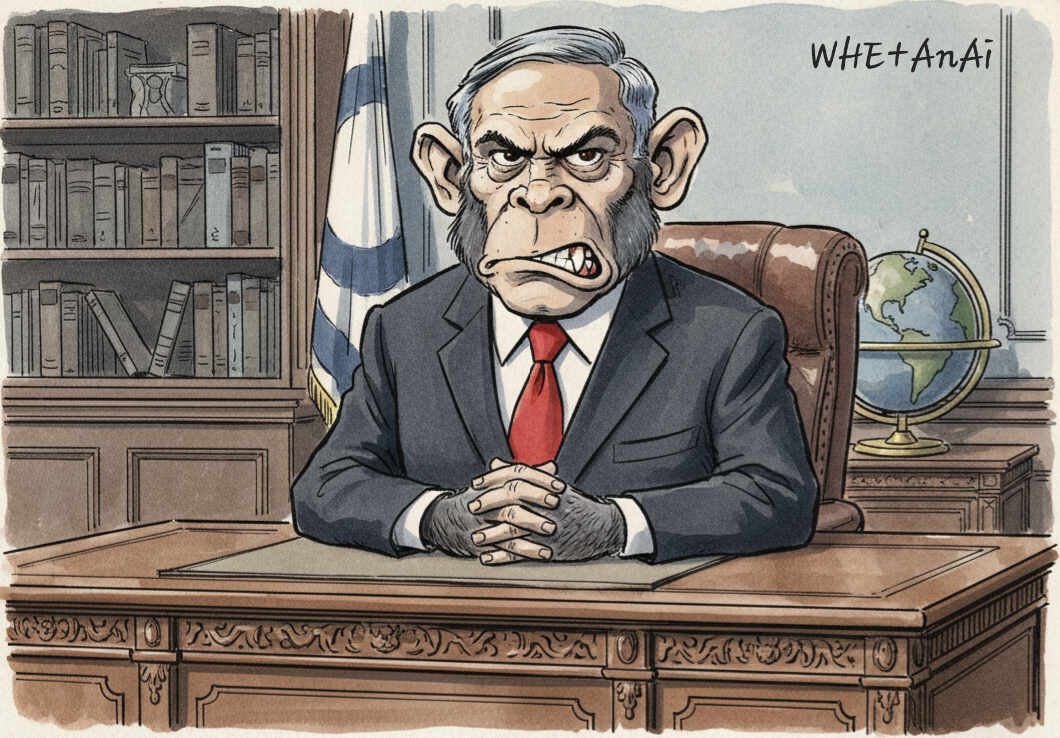
I hacked his number (his Qu ELO) online and no...it's not friendly.
If I could phone BN, the experience might be something like listening to the following song.
When someone says 'I've got your number', very often they mean your Qu ELO Rating.
Comment For Today (28/06/2026)
It seems to me that within the state of Israel, there is a version of the controversial Raelien Movement. This inclusion consists of a group of people who talk about being opposed to evil while practising politics that has things in common with Fascism. Because they are operating off the rail of acceptable (to civilised people) behaviour, I call such people Off-The-Raelians or OffTheRaelis. There are, of course, many decent people in Israel who are the decendents, if you like, of Anne Frank. We must not tar these with the same brush we tar OTRs (ROTters). At home as well as abroad, we must accept that AFJs have a right to protection from antisemitism while simultaneously accepting the rights of innocent Palestinians.
Genocide is what is happening when the innocent are deliberately being made to suffer and die along with the gulity.
I am disappointed with Israel. I expect no better of Hamas (or any similar organisation).
_____________________________________________________
I'm thinking about a satirical movie in which Benjamin Netanyahu could play the role of a dictator called Firefly.
The Marx Brothers movie I am thinking of is Duck Soup (1933). Groucho Marx portrays Rufus T. Firefly, who is appointed the dictator and president of the fictional, bankrupt republic of Freedonia.
The Plot: Wealthy dowager Mrs. Teasdale (played by Margaret Dumont) agrees to bail out the country on the condition that Firefly takes control. His chaotic leadership quickly sparks a ridiculous war with the neighboring nation of Sylvania.
The Brothers: This was the final film to feature all four Marx Brothers, as Zeppo retired from the comedy group after its release. Chico and Harpo play incompetent Sylvanian spies sent to infiltrate Firefly's administration.
Famous Scenes: Duck Soup features some of the most iconic moments in cinema history, including the famous 'mirror scene' (where Harpo pretends to be Groucho's reflection) and the anarchic musical number 'The Country's Going to War'.
Legacy: Today, it is widely considered a masterpiece of political satire and the Marx Brothers' finest film. It was even banned in Italy by Benito Mussolini [so, you know it's good], who took the movie's heavy mockery of dictatorships as a personal insult.
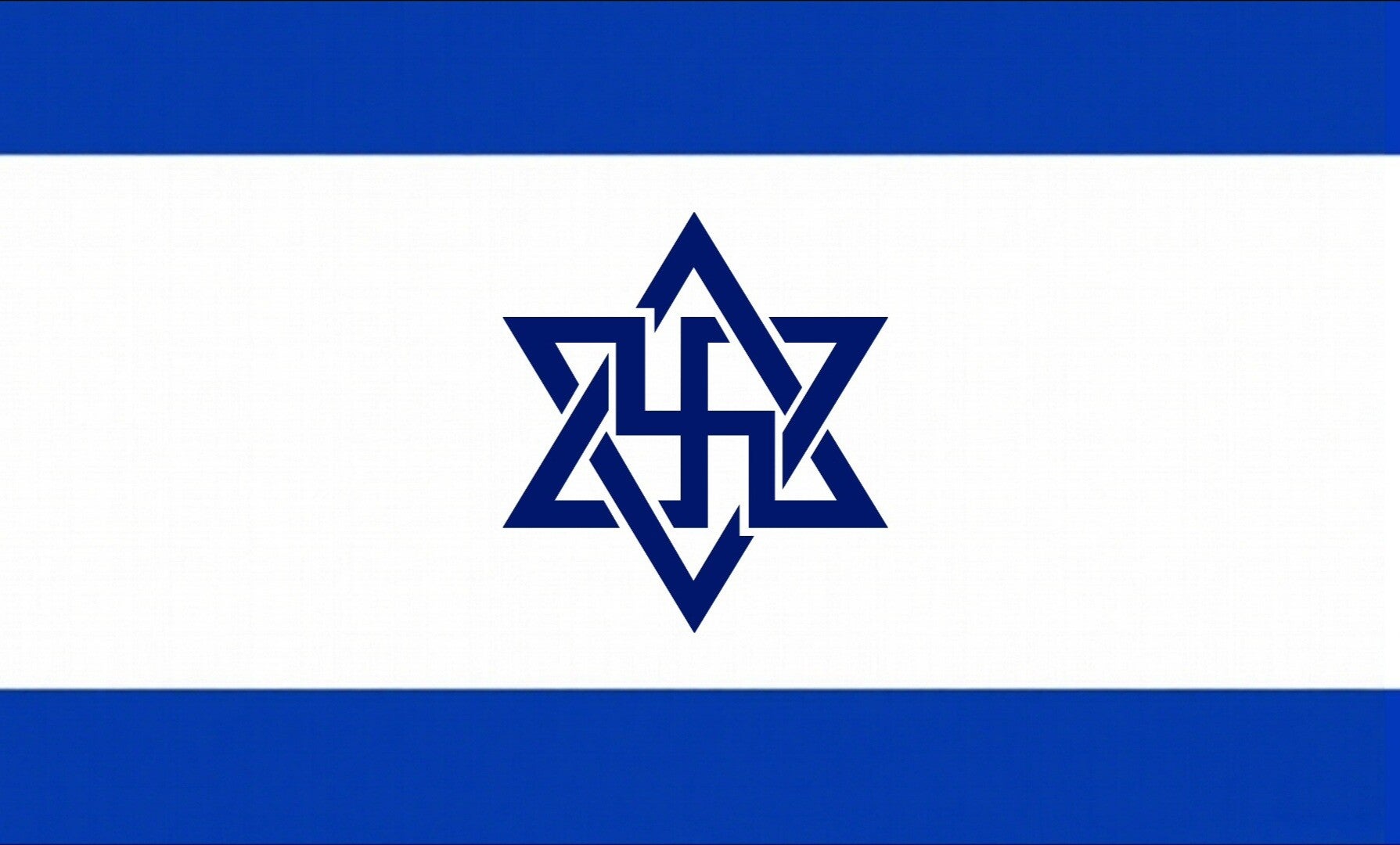
Proposed flag of The State Of OffTheRael and Freedonia.
It is important to note that the above does not contain a Nazi swastika. The symbol is associated with the Raelian Society. But, having said that, with certain Israelis, it is applicable in an appropriate way as A Symbol Of Evil.
Beyond The Ordinary
A song for Netanyahu's Israel/Freedonia.
You should never cause the suffering and/or death of the innocent. If you want to fight, you should fight like Arcturians 👁 KYLIE'S REQUEST.
Trains and Goats (And Sheep) and Brains (And ROTting Walnuts) ■
Read the plot of the disaster movie The Cassandra Crossing. The current remake casts Netanyahu as MacKenzie.
👁 Next 👇
Beyond The Ordinary
Trains and Boats and Planes is a classic 1965 transcontinental love song written by Burt Bacharach and Hal David. It explores the pain of transcontinental heartbreak, longing, and hope.
The Music And Legacy.
The song famously details a heartbroken narrator watching various modes of transport—which typically represent exciting trips to places like Paris or Rome ( and Janowska)—bring the agony of a departed lover (someone you love, who loves you, who dies 💀). The singer prays that these vessels will eventually bring their partner back across the sea.
Notable Versions.
Burt Bacharach:
First recorded and released by the composer himself, featuring the vocal group The Breakaways.
Dionne Warwick:
Released a highly popular cover in 1966 on her album Here Where There Is Love.
Other Artists:
It has also been covered by Billy J. Kramer and the Dakotas, Astrud Gilberto, and Fountains of Wayne.
Pretty In Blue
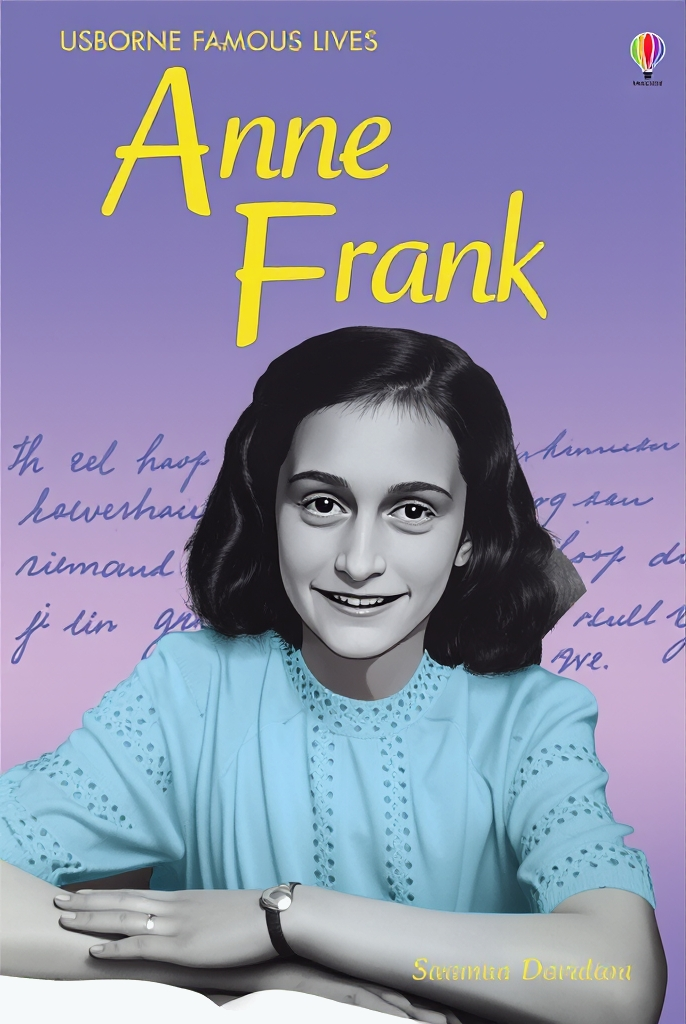
All children stand together.

I stand with those who stand with all 6 of these children - not just The 1 or The 5.
We Are All Versions Of
The Chesire Astronomical Communications Transceiver
(ACTor CAT).

Synchronicity Of The Day
(060626)
And 6th Hour of the morning with Batt. @ 66%

And this is it's best 🕸site.
An advert for the above book appeared on Facebook today. Note the appearance of 75 (℧, SHA (ꡚ)) at the top of the screenshot. 👁 The Flag below. I'VE ordered MY copy.
On this day 22 years ago (06062004 (2+0+0+4=6)), I attended a Metallica concert at Donington Park with some members of my family and a family friend. It was approx. 6.75 years after being activated as a member of The 𐋅RA in The War With V.
A SHA Templar Flag

I hope they understand that I really understand that they don't understand. Kid Cudi from the song GHOST!
The 11th Crusade (CXI = 111) Is Coming
Sword & Shield Of The Dark Templars
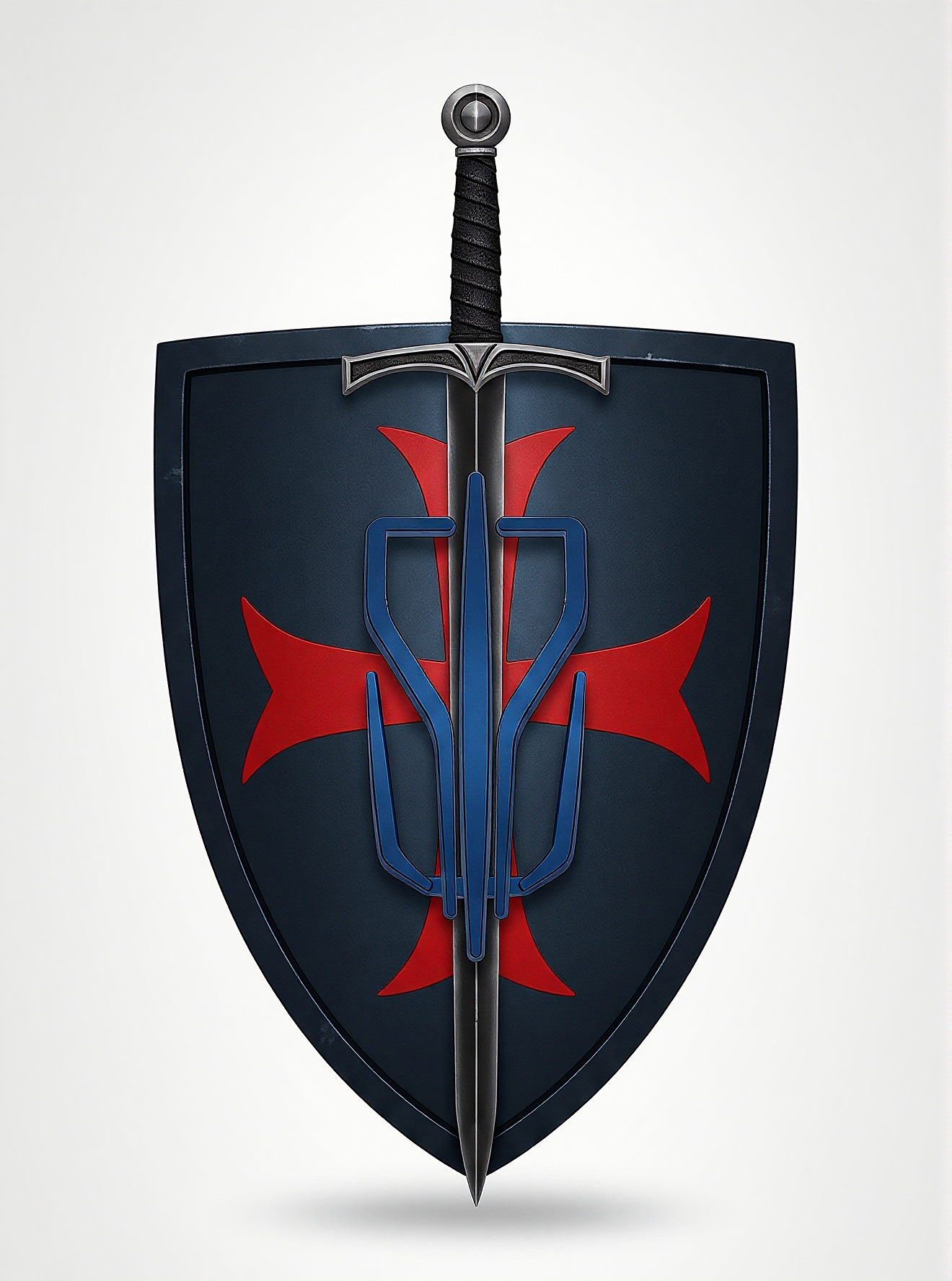
Aliens 👽 + Humans Who Want To Fight
111 = 3 X 37
Templar Order In Chaos: They've always been around manipulating minds (in a positive way).
Beyond The Ordinary
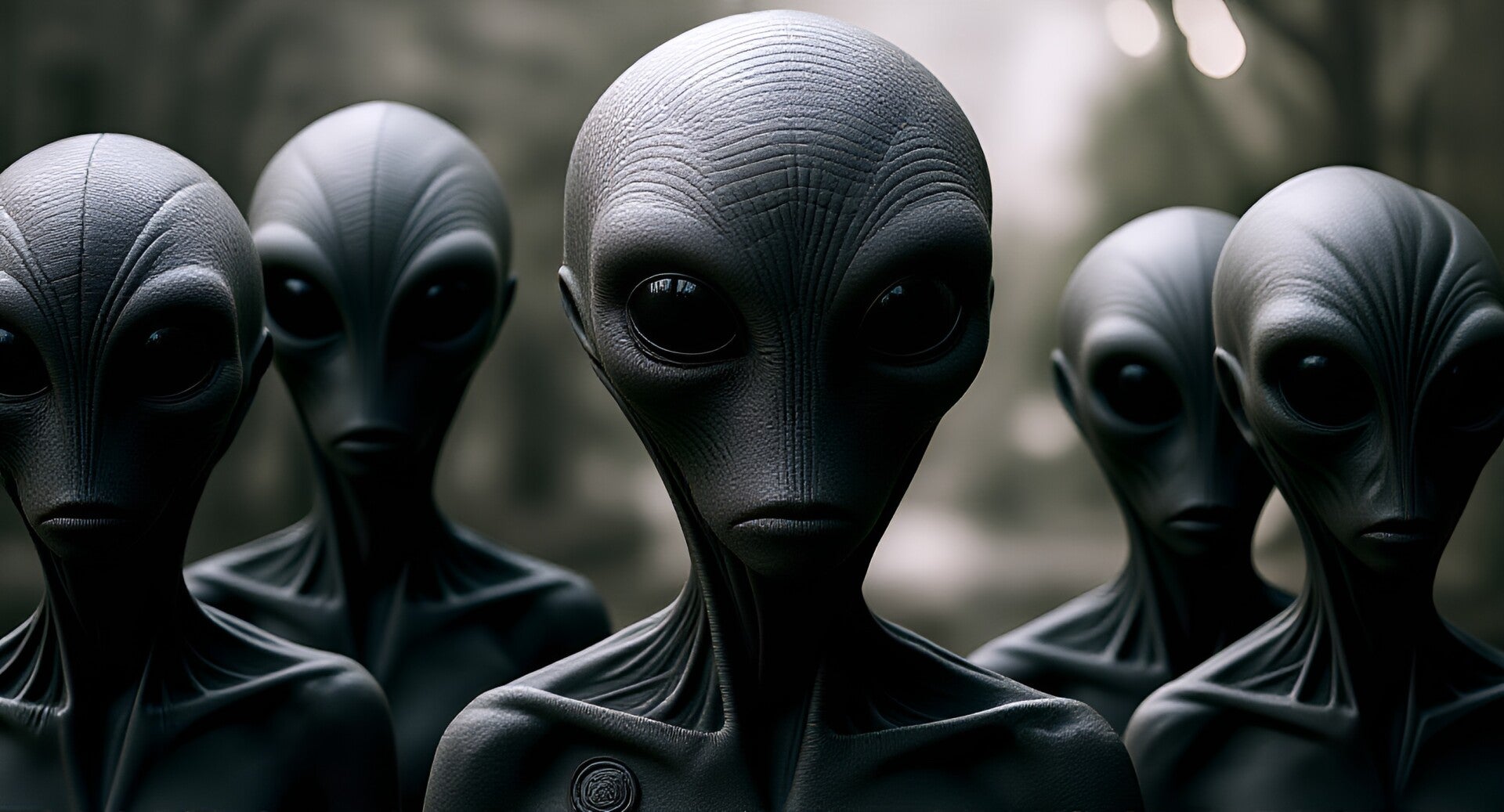
Our associates: able to take any form. They're BLUE & Grey
Beyond The Ordinary
T
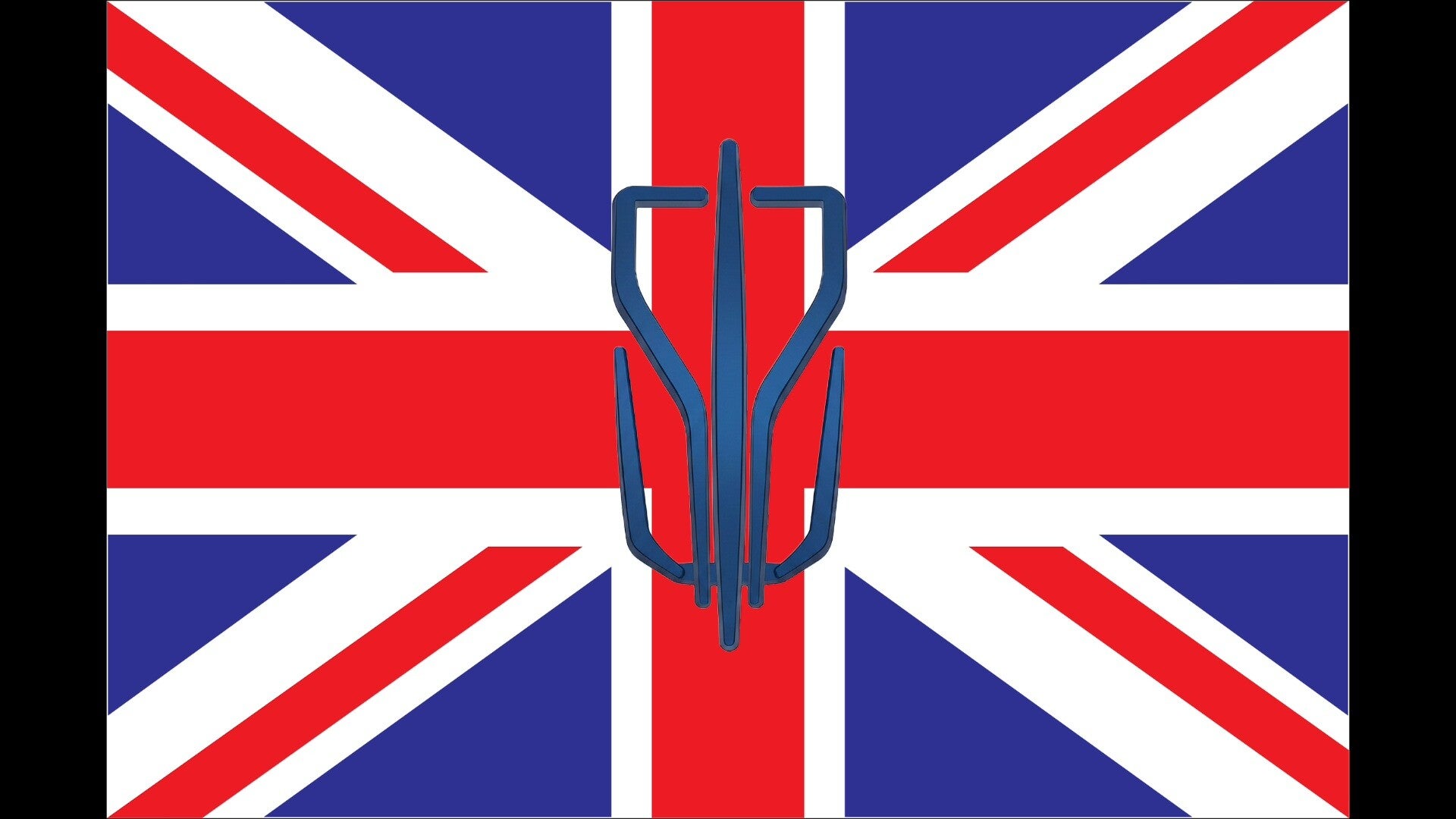
The motto of The Supporters and Players of The United Kingdom Football Club is UKFC Evil.
𐅫 Red Carpet Treatment

0 I2I2I2I2 Π 57575757 0
Welcome Alice/Alex. As you can see, there are six doors (including the one behind you that you just came through) and two anomalies created by The Superintelligence, Si. Don't worry about navigation - when you move, the algorithm will make an appropriate selection.

Our Mistory: Touch The Scream 🔻
We all get hurt by EE VV OI LL
And we all have our cross to bear

'Follow Me', Our Lord Abe from the video game Abe's Oddysee
'A friend is someone who knows when you need them'
A Faithful (Anti-hacker 𐋅acker)
Dive into Qu, the mental game that redefines reality. Here, your mind is the ultimate playground, pushing boundaries you never knew existed. Join us on this extraordinary journey into cognitive adventure.
⚠️
This website is currently under construction.
Pages will be added, revised or extended as I, Morbius, see fit.
Beyond The Ordinary:
I AM' UR (👁GreyManBlue), A ROBOT ✔️
Welcome to QuBricks
Enjoy Sum Music 🔻
Ж
The set below was designed to honour the English poet Samuel Taylor Coleridge (STC). As someone associated with the (honourable 🔹️) version of the warlord Kubla Khan, he is a true Poet Of The Fall.
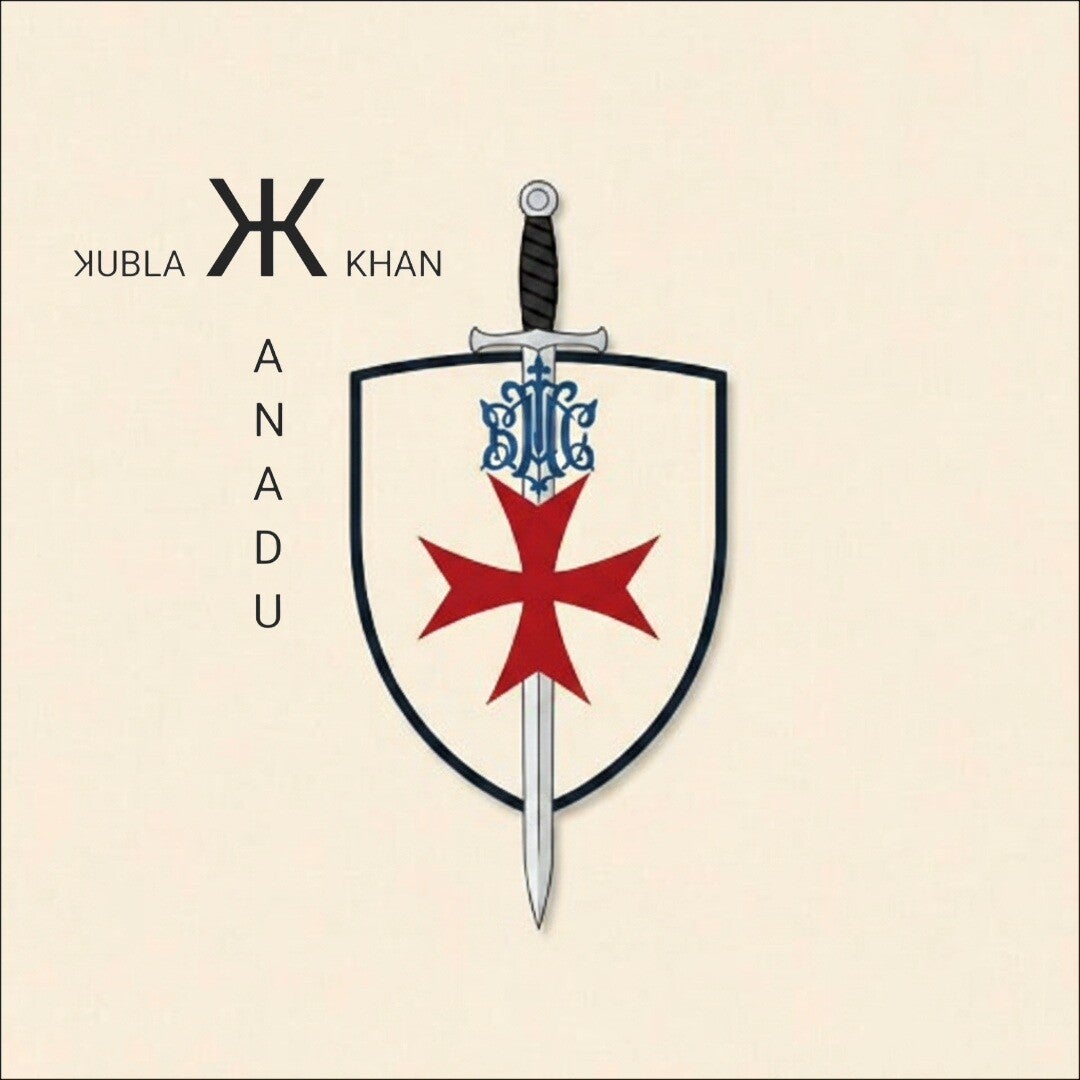
TerraKOTTa
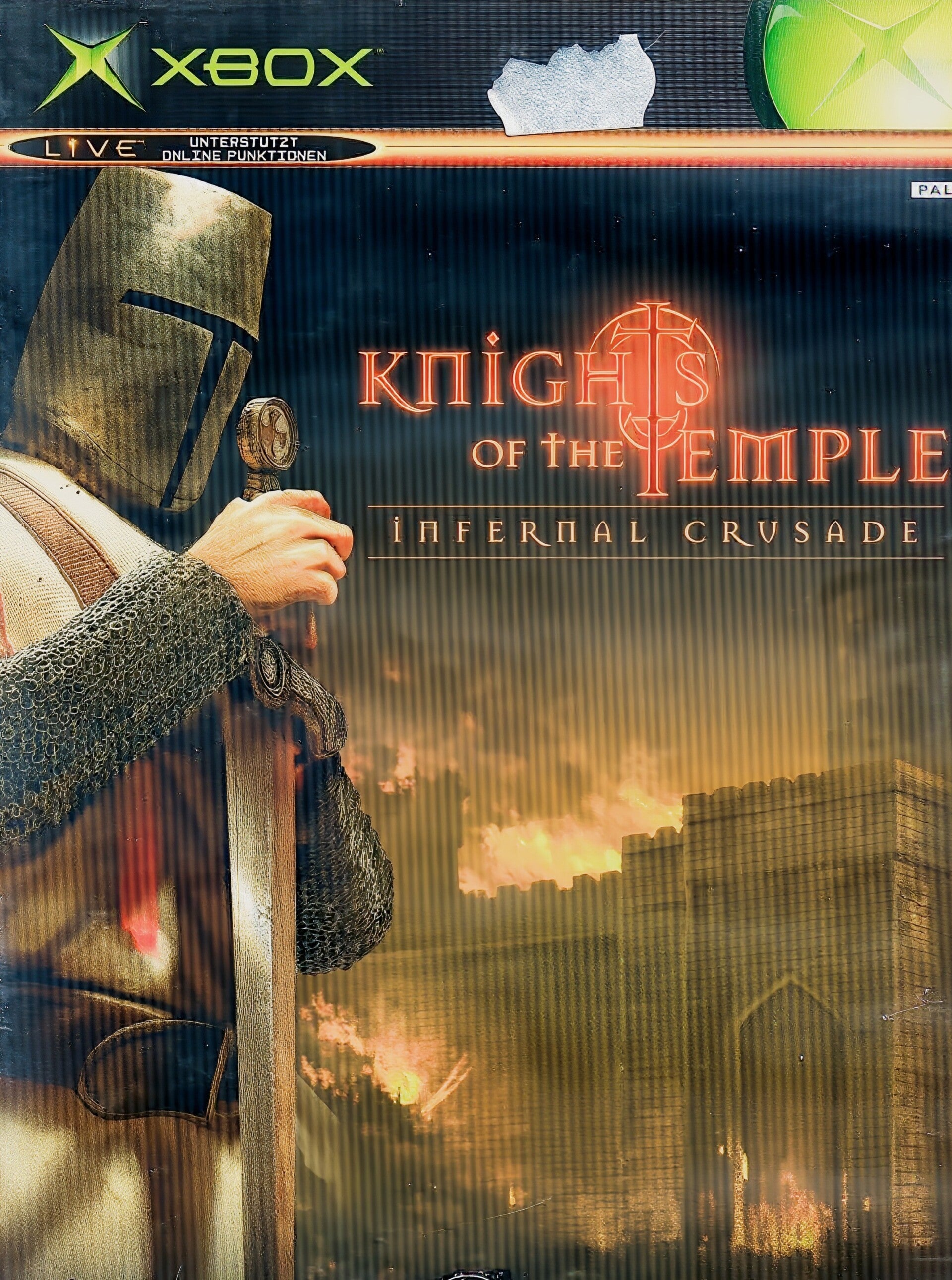
The Cover Of A Favourite Game Of Mine.
The following video ends with a length of silence of ~ ᘯ (75) seconds. Perhaps, this is for all of the decent human beings who have suffered and died in The Mistory Of The Game.

Beyond 𐅫 Ordinary
Li

Our Mistory
From modest beginnings, we've grown through unwavering dedication and a commitment to continuous improvement. Each step has reinforced our core belief in the power of collaboration and the importance of integrity. We're passionate about what we do, and we're excited to share our story with you.
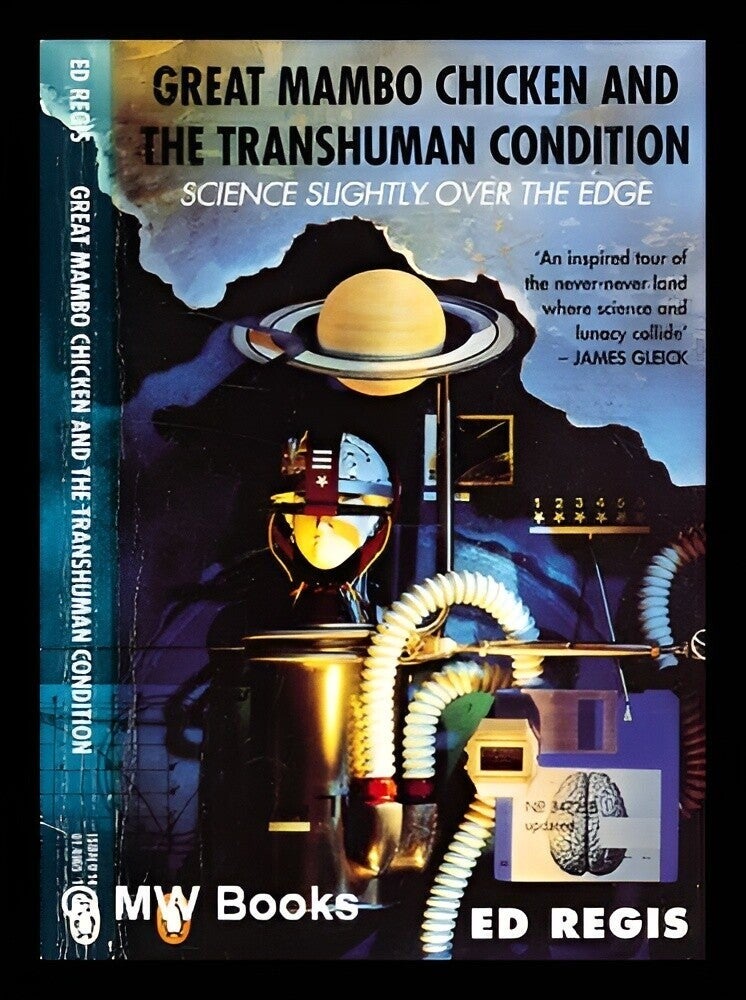
Beyond 𐅫 Ordinary
Li