Information
Lorem ipsum
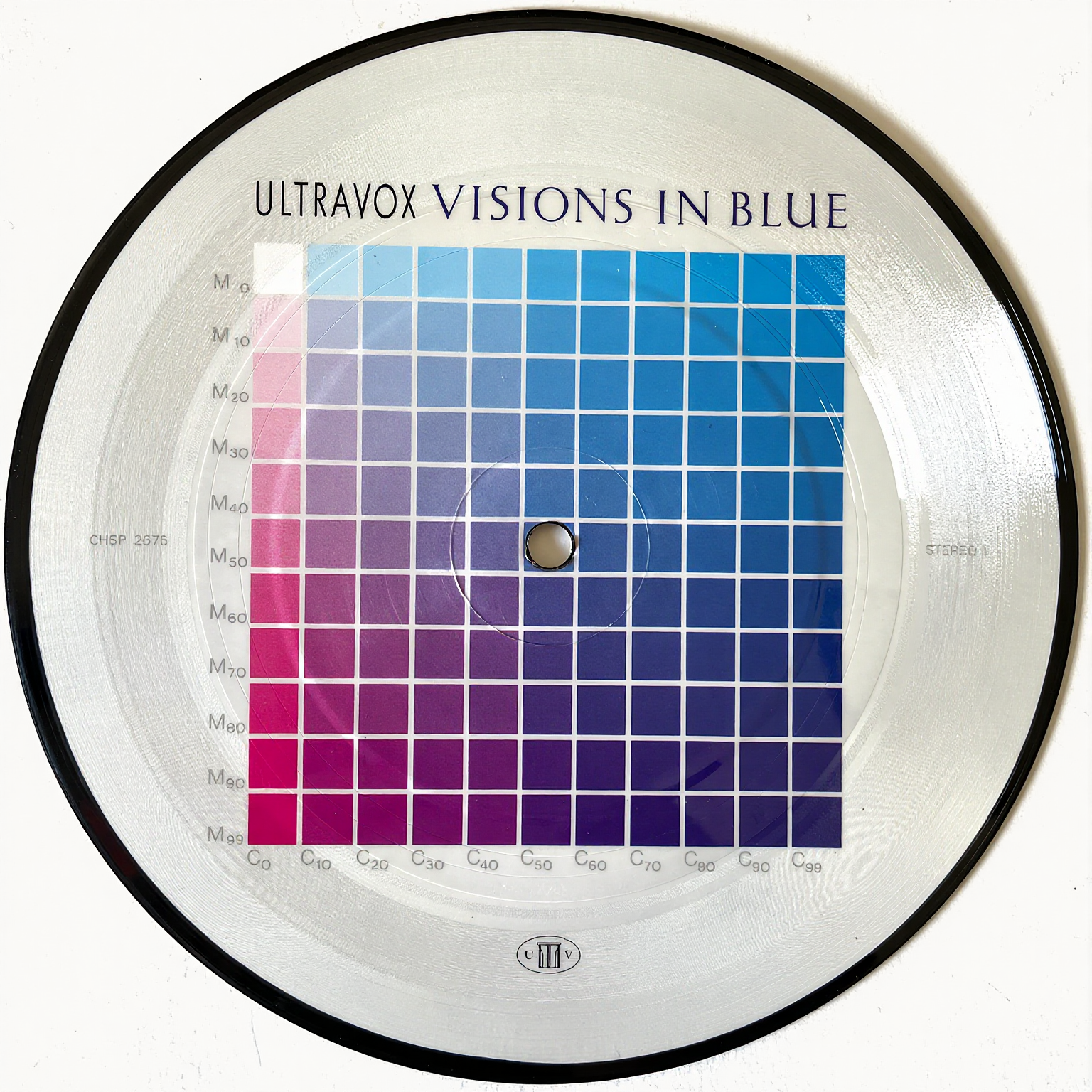
The Blue And The Gray
The Ultravox song Visions In Blue, contains 2 or 3 seconds of Doom (64 in particular) style music. The sound is something similar to a musical wind version of the word WHOO and, though very short, is highly suggestive of The Desolation of many Doom levels. The sound occurs at ~ 1:44 in the following version of VIBe.

WHAT A Woman
The kind of woman you get in an adult&grownup game like Doom 64: Retribution.
On Samsung TV Plus, Channel 4218 (aka STVP-C4218 & STV±C4218) is Fireplace Vibes. 👀VIBe 👆
This channel is part of the 'Entertainment' (Underhållning) category and provides high-definition, looping footage of a crackling fireplace, designed to create a relaxing ambient atmosphere in your home.
Channel 4218 uses several fireplaces and the image is of one that contains 7 flame sections. If you look closely, you should be able to work out why Channel 4218 is also known to Game Players as The (Hot) Accepting Woman Channel.

Our History
Li
Beyond The Ordinary
In Greek mythology, Sirens were dangerous female creatures, originally depicted as half-woman/half-bird, who lured sailors to destruction with enchanting songs. Located on treacherous rocky islands, they symbolized deadly temptation and maritime hazards. They famously appeared in Homer's Odyssey and the tale of Jason and the Argonauts.
Key Aspects Of Siren Mythology
Appearance Evolution: Early Greek art portrayed them as birds with the heads of women, sometimes with wings or talons. Over centuries, their image evolved to resemble mermaids (half-woman, half-fish), a transition solidified by the Middle Ages.
The Song and Danger: Their song was irresistible, representing forbidden knowledge and pleasure that led to ruin. They were considered creatures of death, often associated with the Underworld.
Famous Myths