Two Images From An Open Prison
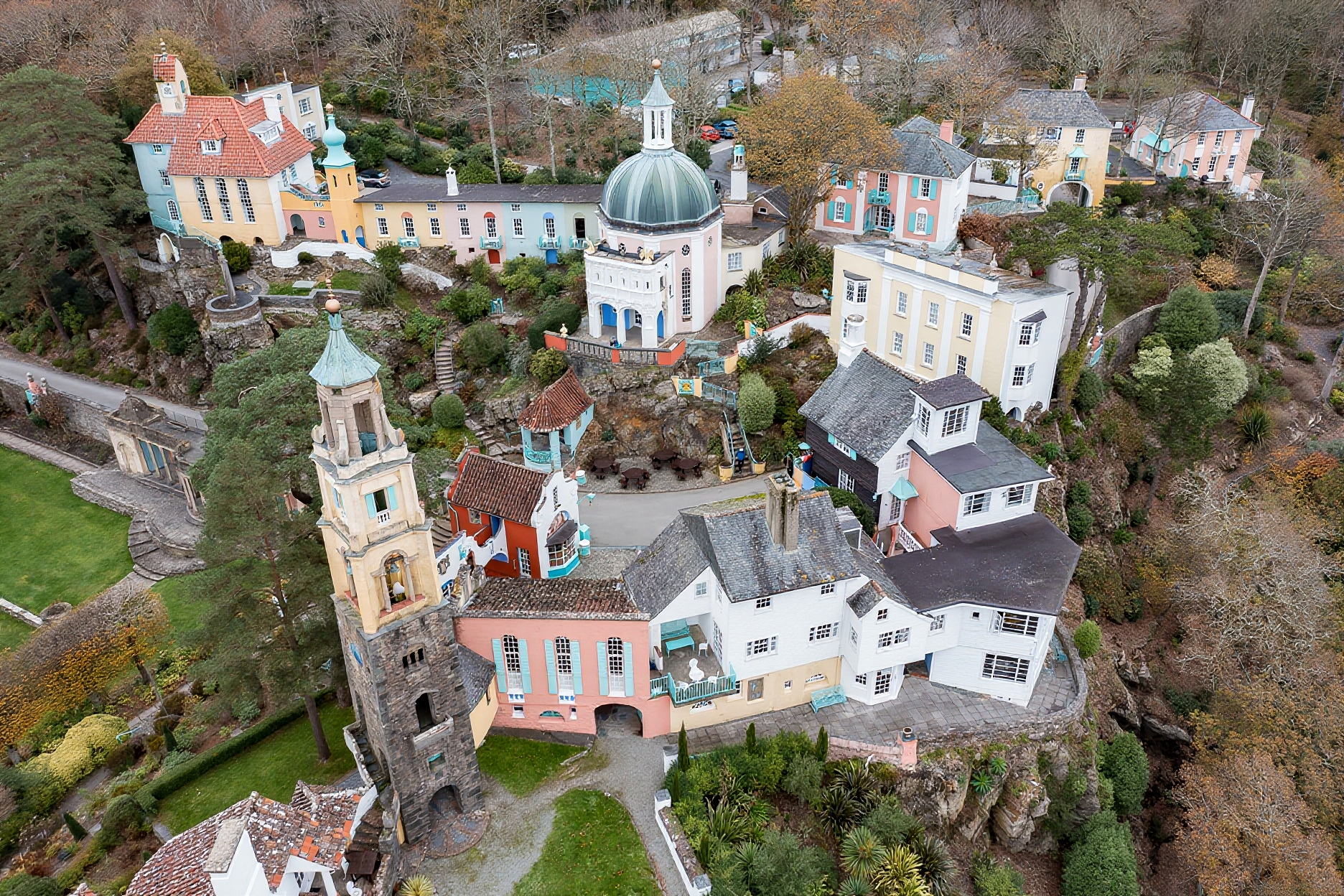
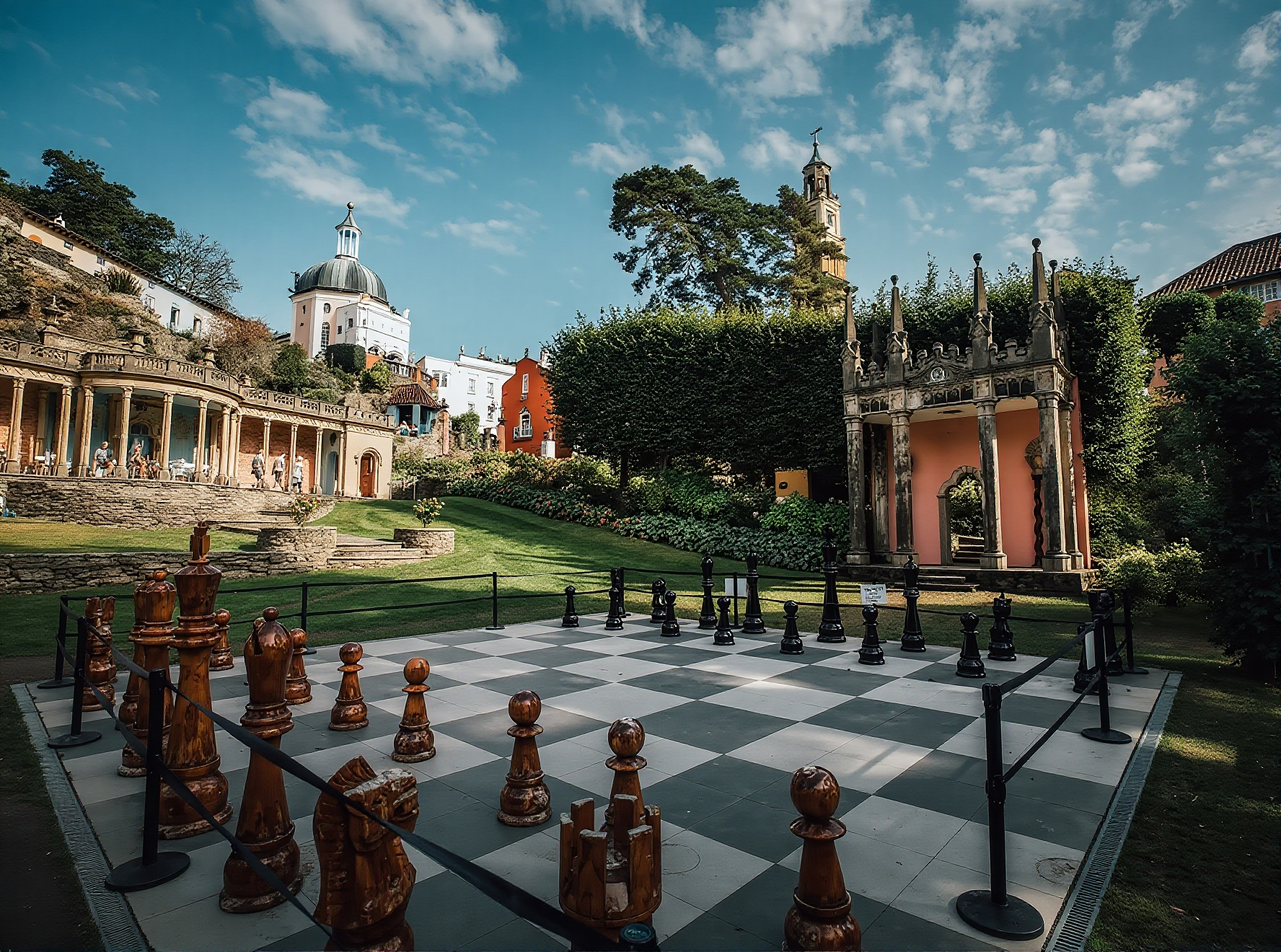
A Thing To Do In Portmeirion Village/Town Prison: Play Big Chess.
Beyond The Ordinary
Portmeirion Village in North Wales is the iconic filming location for the 1960s cult classic TV series The Prisoner. Designed by Clough Williams-Ellis, the Italianate village served as the surreal, isolated prison for Patrick McGoohan’s character, Number Six, during the show’s 17 episodes (1967-1968). Today, it is a major tourist destination, hosting a themed shop and annual fan conventions.
Key facts about The Prisoner at Portmeirion.
The Village as Character:
Portmeirion's uniqu, colourful architecture allowed it to represent a place that was both idyllic and menacing.
Number Six’s Home:
The building identified as Number Six’s house in the series is now the "Official Prisoner Shop," which sells merchandise including badges, books, and prints.
Filming Locations:
Numerous spots are instantly recognisable to fans, including the central piazza, the chess board (later recreated), and the hotel, which stood in for Number Two's house.
Legacy:
The show remains a cult classic, with fans ("Six of One" society) visiting annually. The village is largely unchanged after 50 years, maintaining its surreal atmosphere.
For visitors, Portmeirion Village provides a "Prisoner" tour experience, blending the site's history with its stunning, eclectic architecture.
The video provides a tour of the village, highlighting key filming locations from the series:
Beyond The Ordinary
Li
Li
Barnard Castle In Brief
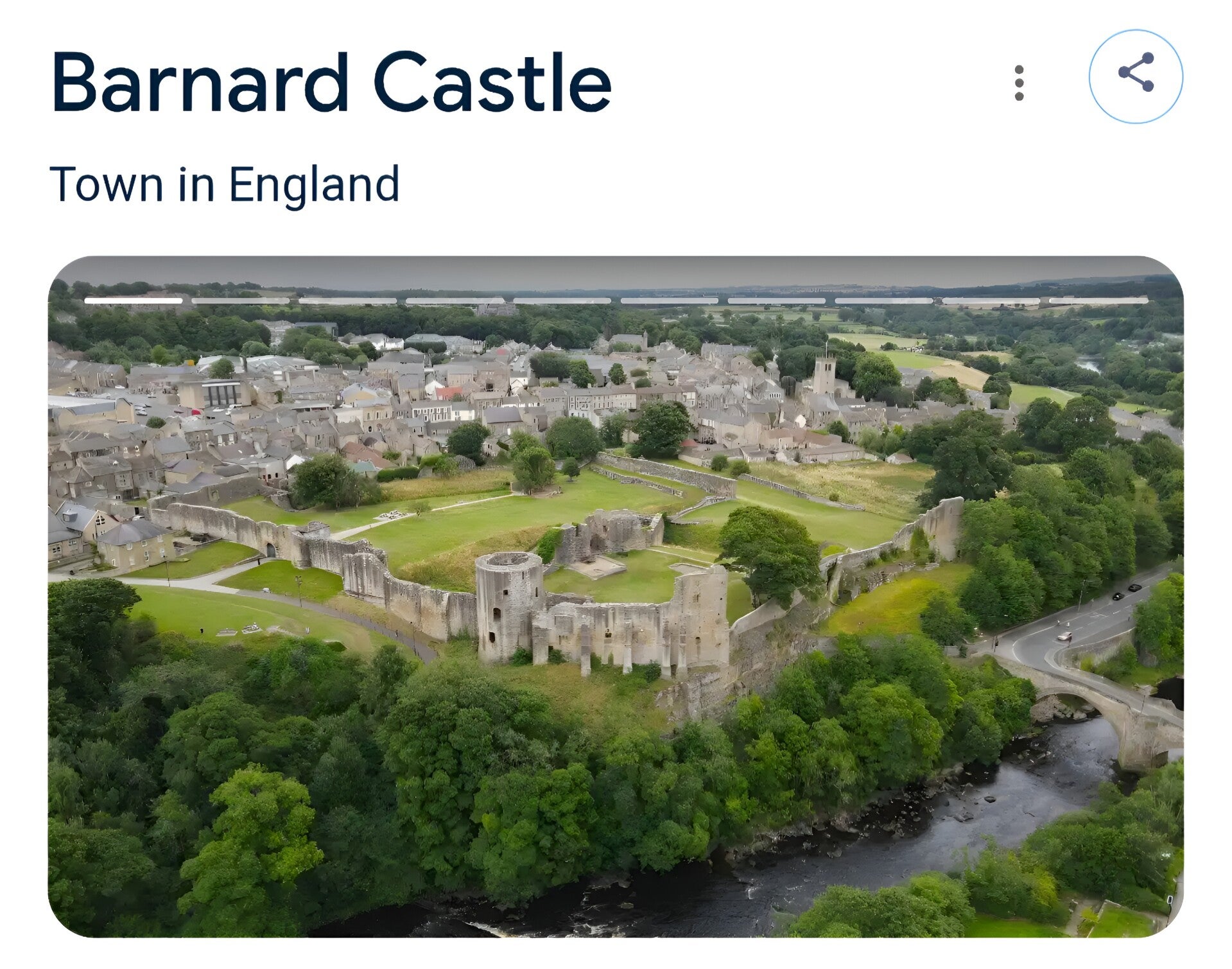
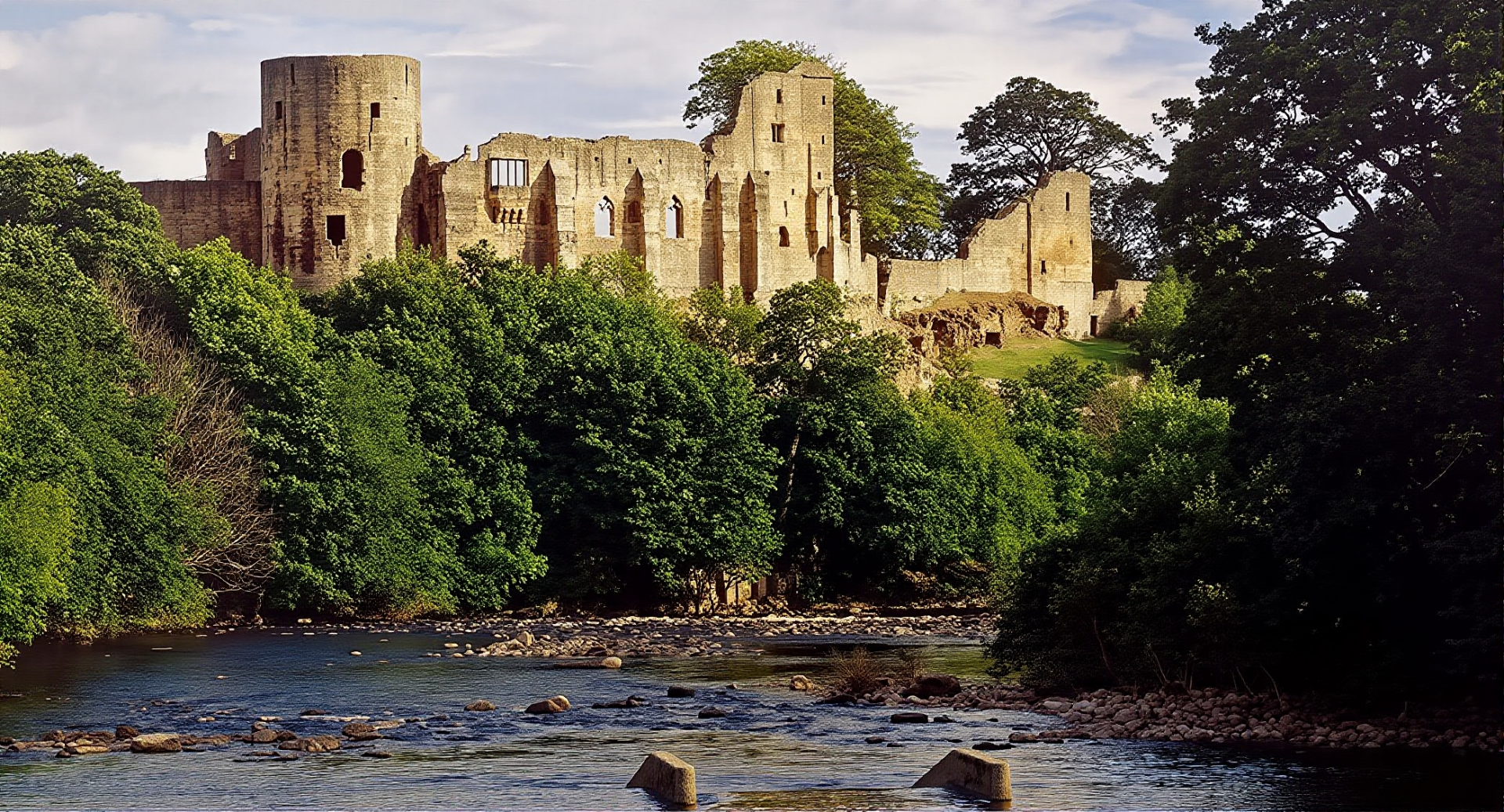
Barnard Castle (/ˈbɑːnəd/, BAR-nəd) is a market town on the north bank of the River Tees, in County Durham, England. The town is named after and built around a ruined medieval castle. The town's Bowes Museum has an 18th-century Silver Swan automaton exhibit and paintings by Goya and El Greco.
In my game, Barnard Castle is used in the same way that Portmeirion is used in The Prisoner.
Barnard Castle In A Nutshell
At it's peak in the 12th and 13th centuries, Barnard Castle was one of the largest castles in Northern England.
Great Castles.
While it was never the largest in the whole of England—titles held by giants like Windsor, Dover, or Alnwick—it was a formidable and massive fortress.
Key Features of its Scale.
Four Wards:
Its size came from a series of four walled enclosures (baileys), stretching from a huge outer ward to a clifftop stronghold.
Expansion:
Much of this growth happened under the Balliol family, who extended the castle in stone between 1125 and 1185.
The Round Tower:
Added around 1200, this tower remains one of the finest of its kind in the country and provided royal-standard lodgings for figures like King John.
Comparison to Other Castles.
At its height, Barnard Castle was a superbly sited strategic power. However, in a national context, it is usually ranked behind the following:
Castle | Status | Notable Fact
Windsor Castle. Largest in England. Oldest and largest inhabited castle in the world.
Dover Castle. One of the biggest. Known as the 'Key to England' due to its massive scale and location.
Alnwick Castle. 2nd Largest Inhabited. Often compared to Barnard due to its northern location and size.
Historical Significance.
The castle’s importance wasn't just size; it sat on a strategic plateau guarding a key crossing of the River Tees. It later became a favourite residence of Richard III, who made high-end domestic updates like the famous 'boar' oriel window.
Its decline only began after the Siege of 1569, when it was bombarded during the 'Rising of the North'.
Separate Entities
While the castle provided protection, the town of Barnard Castle grew as a separate, thriving market town alongside the castle.
The town of Barnard Castle was closely connected to and directly bordered the Town Ward (or Outer Ward) of the castle, which served as a protective enclosure. Founded by Bernard de Baliol in the 12th century, the town grew outside the castle walls on the south and east sides, with the Town Ward acting as the transition point between the town and the inner fortress.
Key Connections between Town and Town Ward.
Structural Layout:
The Town Ward was a large, curtain-walled area in the northeast of the fortress. It was intended to protect townspeople and livestock during attacks.
Physical Proximity
The town developed around the castle, with the Town Ward situated directly adjacent to the town's expansion, particularly near modern-day areas.
Today, the Town Ward is separated from the inner ward by a deep ditch, and the town's buildings, yards, and gardens have, over time, replaced some of the historical structures once located there.
The castle itself is now a ruin [managed by English Heritage].
The Town Ward
The Town Ward was an integral part of the Barnard Castle defensive complex, situated in the northeast area, enclosed by its own curtain walls, and accessed via the North Gate. While it served as a refuge for townspeople during attacks, it was fully contained within the castle's outer defenses, separating it from the inner and middle wards.
Key Details About the Town Ward.
Location:
Located on the north-east side of the castle fortress.
Purpose:
It was designed to provide safety for the residents of the neighboring town of Barnard Castle during times of conflict.
Defensive Structures:
It was enclosed on the north by the outer curtain wall, on the east by another curtain wall, and on the west by the Great Ditch, a massive protective ditch.
Structures Inside:
The ward contained the Brackenbury Tower along with The Dovecot Tower.
1569 Siege:
During the 1569 Rising of the North, rebels managed to capture the Town Ward after breaking through the outer defenses, forcing defenders to retreat to the Inner Ward.
The Town Ward, along with the Middle and Outer Wards, was added during the 12th and 13th centuries, expanding upon the original 11th-century Norman ringwork that makes up the inner ward.
More On The Town Ward
The Town Ward of Barnard Castle, a large outer enclosure, is principally associated with at least three distinct structures or sets of ruins: the Brackenbury Tower, the Constable Tower, and the North Gate. These, along with the Dovecot Tower, formed the defensive and residential boundaries of this part of the English Heritage castle.
Key Towers Associated with the Town Ward:
Brackenbury Tower: Located within the Town Ward, this tower dates back to the late 12th century, constructed during the time of Bernard II.
Constable Tower: This structure separated the Town Ward from the Middle Ward and was part of the defenses established by the Balliol family.
North Gate: Part of the fortifications of the Town Ward.
Dovecot Tower: A tower located within this area, used historically as a nesting place for pigeons.
The site itself is a large ruin with four distinct, walled baileys, with the town and castle tightly connected historically.
The North Of WENS: The North Gate
WENS > EWNS > EVVNS > ΕVΛNS
The North Gate (or North Gatehouse), served as the primary entrance to the Town Ward of Barnard Castle.
Strategic Function.
Town Entrance:
The North Gate directly controlled the main approach from the town, allowing the castle to monitor and filter local traffic.
Civilian Refuge:
The Town Ward was specifically designed to house the townspeople and their livestock during times of trouble or military threat.
Defensive Layer:
It formed the first line of defense for the castle's core; during the Rising of the North in 1569, rebels captured the Town Ward after six days, forcing the defenders to retreat further into the Middle and Inner Wards.
Architectural Context.
The East Wall:
While the North Gate was the primary entry, the east curtain wall also contained at least three other towers, including the Dovecot Tower and a smaller postern gate for pedestrian use.
Construction:
These stone defenses were largely the work of Bernard de Balliol II in the late 12th century, replacing earlier timber palisades.
Brackenbury Tower:
A prominent tower on the east wall of the Town Ward, it featured residential amenities like a fireplace and garderobe, likely serving as quarters for high-ranking officials like the castle constable.
The East Of WENS
The east side of Barnard Castle was primarily defined by its Outer Ward, which served as the castle's first line of defense against the town. Today, this area contains the main visitor entrance and several historic features.
Key Features on the East Side.
St Margaret’s Chapel:
Built in the mid-12th century on the east side of the Outer Ward. Its remains are now incorporated into a later stable building.
The Massive Moat:
A deep, flooded ditch (up to 5m deep) was constructed along the east wall to prevent tunneling by attackers from the town side.
Brackenbury Tower:
Located in the northeast section of the curtain wall. This two-story tower was likely used for domestic or residential purposes and is named after Sir Robert Brackenbury, a loyal servant of Richard III.
The Gatehouse:
The castle's original entrance was positioned on this side to face the developing town.
Town Landmarks Near the East Wall.
Because the town of Barnard Castle grew up directly around the castle's eastern defenses, several famous landmarks sit just outside the east wall.
St Mary’s Parish Church:
Founded around 1130 alongside the castle, it sits directly opposite the castle entrance.
The Pittuck Mural:
A famous 1950s social history mural is painted on the east wall of the nearby St Mary’s Parish Hall.
The Market Cross:
Also known as the Butter Market, this octagonal structure is a central landmark located just down the bank from the castle entrance.
Siege Mentality
The Siege Of 1569 was the most dramatic event in the history of Barnard Castle, marking the climax of the Rising Of The North — a failed Catholic rebellion against Queen Elizabeth I.
The 11-Day Siege.
In December 1569, a rebel force of roughly 5,000 men led by the Earls of Northumberland and Westmorland surrounded the castle. Inside, Sir George Bowes held the fortress for the Queen with a small garrison of about 800 men.
Outer Defences Fall:
After six days, the rebels captured the Outer Bailey and the Town Ward (the area we discussed earlier that once bordered the town).
The Inner Ward Retreat:
Bowes and his remaining loyalists were forced back into the Inner Ward, the castle's strongest point.
Desperate Defection:
Conditions became so grim that 226 soldiers reportedly jumped over the castle walls to join the rebels; tragically, 35 of them died or were severely injured in the fall.
Surrender:
With his water supply cut and his men deserting, Bowes surrendered on 14 December on "honourable terms," allowing him to march out with 400 loyal followers.
Aftermath & Legacy.
The victory for the rebels was brief. As the Royal Army approached from the south, the rebel leaders fled to Scotland, and the uprising collapsed.
Retribution:
Queen Elizabeth I ordered a brutal crackdown, executing over 700 rebels across the North as a warning.
Ruination:
The castle was severely damaged by bombardment and looting during the siege. It was never fully repaired, beginning its long transition into the scenic ruin seen today.
And Oxford Education
The Balliol family, who ruled Barnard Castle for generations, were central to some of the most dramatic scandals in medieval Britain—one of which literally led to the founding of Oxford University’s Balliol College.
1. The Bishop’s Public Whipping.
In the 1260s, John de Balliol (the elder) got into a heated dispute with Walter Kirkham, the Bishop of Durham, over land. Things escalated when Balliol and his brothers ambushed and kidnapped several of the Bishop's men at a church in Long Newton, holding them prisoner at Barnard Castle.
The Church's retaliation was swift and humiliating:
Public Penance:
John was forced to walk to the doors of Durham Cathedral, where the Bishop publicly whipped him.
The 'Fine':
As further punishment, he was ordered to provide for poor scholars at Oxford. This 'act of charity' was the forced birth of Balliol College.
2. 'Toom Tabard': The Mocked King.
John’s son, also named John Balliol, became King of Scotland in 1292 but was treated as a puppet by King Edward I of England. When he finally tried to rebel, the consequences were devastating:
Stripped of Rank:
In 1296, after being defeated, John was forced to endure a ritual humiliation where his royal insignia was literally ripped from his coat.
The Nickname:
This earned him the mocking title "Toom Tabard" (meaning "Empty Coat" or "Empty Shirt") to signify he was a king in name only.
Loss of the Castle:
This scandal cost the family everything; Edward I confiscated Barnard Castle and gave it to the Earl of Warwick.
3. The Macabre 'Sweetheart' Heart.
After the elder John de Balliol died in 1268, his widow, Dervorguilla of Galloway, took mourning to an extreme level that fascinated and unsettled contemporaries.
The Casket:
She had his heart embalmed and placed in a silver and ivory casket.
Dinner Guest:
Legend says she carried the heart with her everywhere, even placing it on a chair at the table during meals.
Sweetheart Abbey:
She eventually founded Sweetheart Abbey (Dulce Cor) near Dumfries, where she was buried with the heart clutched to her chest.
More On Portmeirion with William Morris, Clough Williams-Ellis & Me (William Evans). Evans Is A Solid Welsh Name.
Portmeirion's connection to William Morris exists primarily through modern product collaborations and a shared design philosophy, rather than a direct historical partnership.
The Pottery Connection.
The most direct link today is through the Portmeirion Group, which owns several iconic British brands.
Morris & Co. Collection:
The Portmeirion Group produces a licensed Morris & Co. collection featuring William Morris’s famous 19th-century patterns like Strawberry Thief and Willow Bough.
Spode Collaboration:
Many of these items are marketed as Spode x Morris & Co., combining Spode’s ceramic expertise with Morris’s nature-inspired textiles.
Retail Presence:
You can find these Morris-designed mugs, trays, and tea sets at the Portmeirion Online store and in the shops at Portmeirion Village.
Shared Design Philosophy.
While they lived in different eras, Portmeirion’s creator and William Morris shared a commitment to beauty and craftsmanship.
Arts and Crafts Influence:
Sir Clough Williams-Ellis, who designed Portmeirion Village, built the early parts of the village (1925–1939) in an Arts and Crafts style.
Rebellion Against Mass Production:
Both men rejected the "drabness" of industrialisation. Morris fought for traditional craftsmanship, while Williams-Ellis built Portmeirion as "propaganda for good manners" to show that development could enhance nature rather than destroy it.
Legacy:
Portmeirion Pottery founder Susan Williams-Ellis (Clough's daughter) continued this legacy by designing the famous Botanic Garden range, which mirrors Morris’s obsession with British flora.
My involvement with pottery STEMs from the fact that I've been officially declared Potty As A Hatter.
More Stuff Associated With Barnard Castle
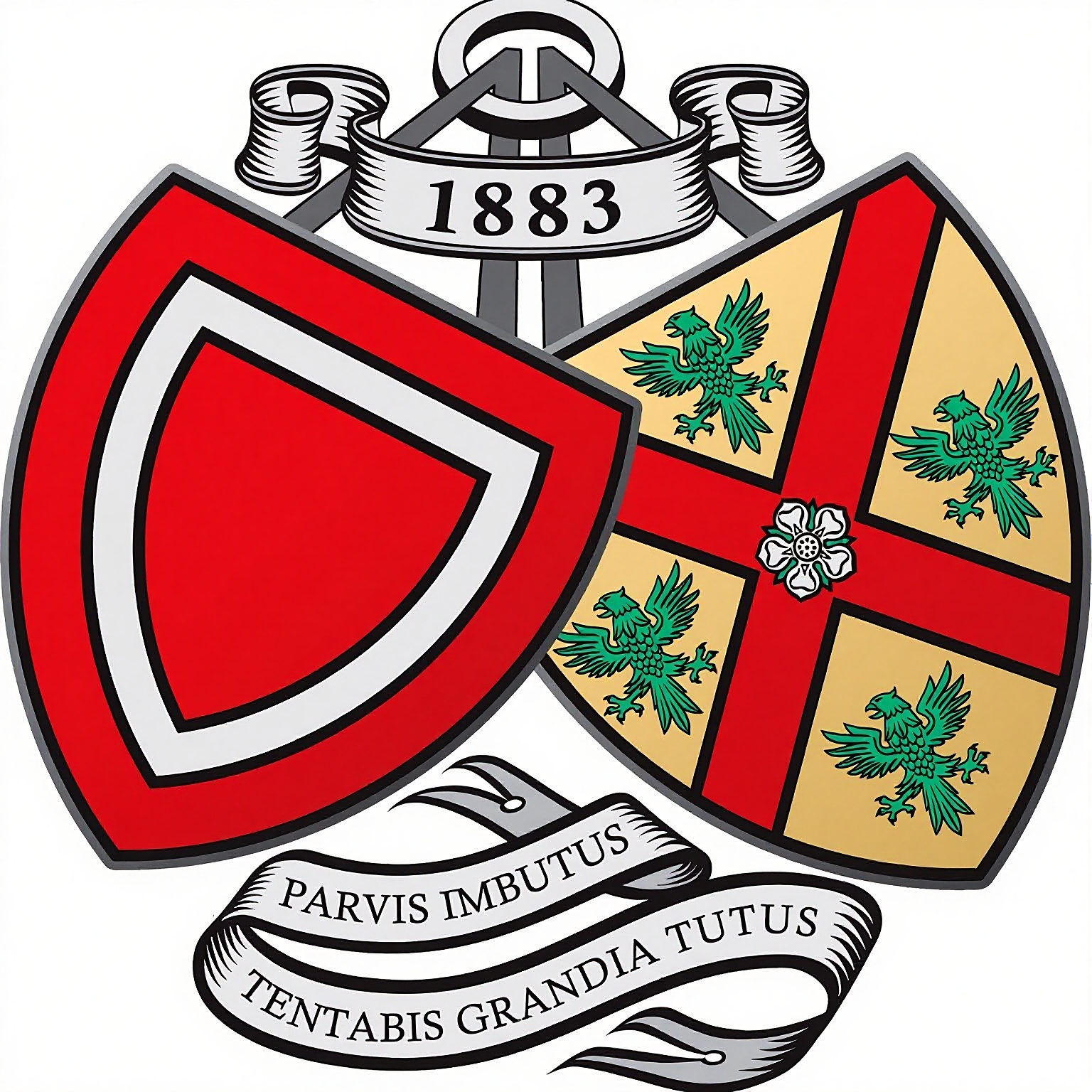
The image features the official crest of Barnard Castle School, an independent day and boarding school located in County Durham, England.
Institution:
Barnard Castle School, often colloquially known as "Barney".
Foundation Year:
1883.
Motto:
'Parvis imbutus tentabis grandia tutus', which translates to "Having been steeped in small things, you will attempt great things safely".
Shield Details:
The crest displays two shields; one is a plain red shield, and the other features four green eagles and a white rose.
All Currently Available On RedBubble
🔻

Li

Beyond The Ordinary
Using Child Pornography And Other Network 764 Stuff Implies Bad EyeSight. You're a version of Mr Magoo. People and media characters often have to share a name with perperator perverts. Again, CI is required.
Beyond The Ordinary

Li
Beyond The Ordinary
FCUK You, MAGOU
Beyond The Ordinary
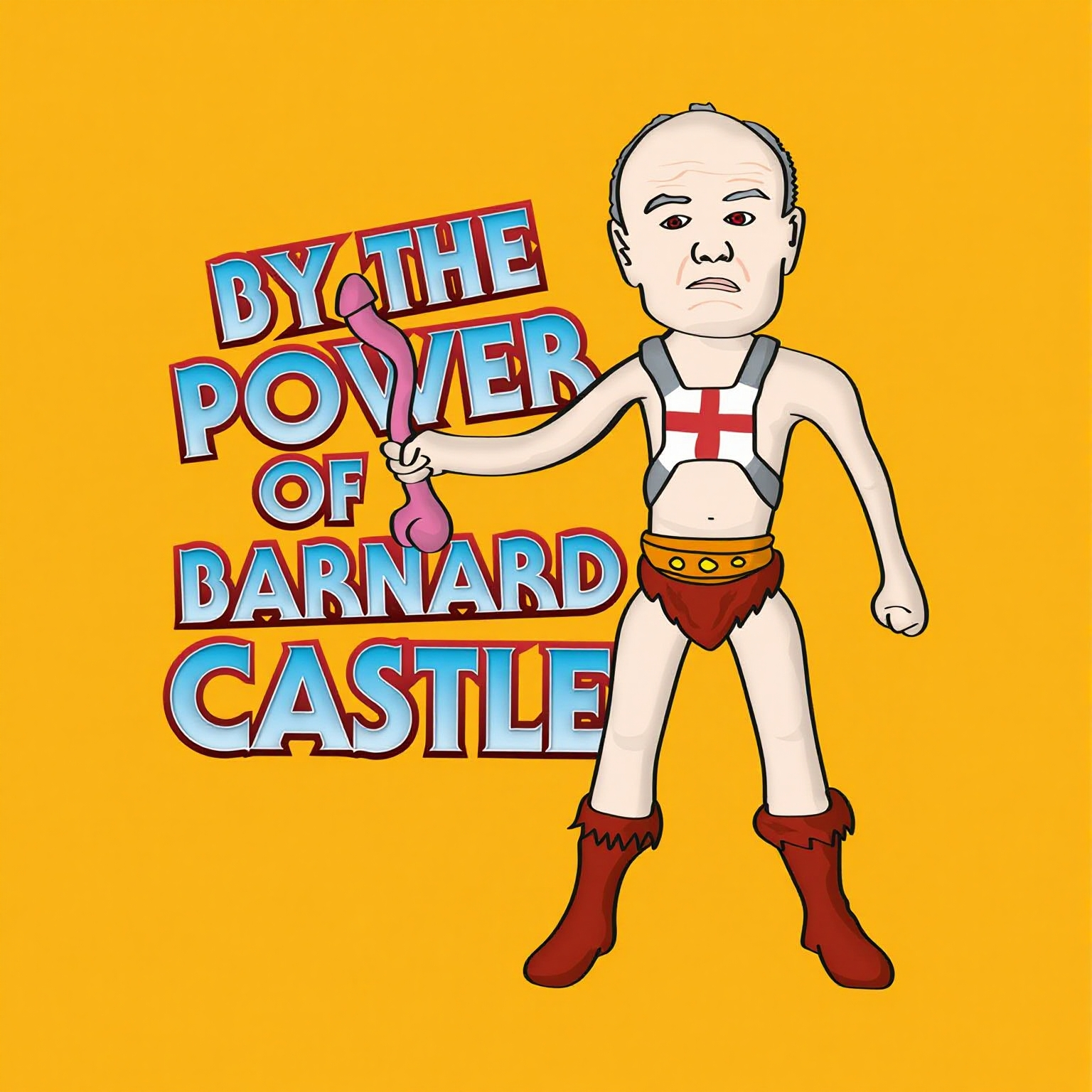
He Has The Power
An Image From A DC (Dominic Cummings) Comic.
This image depicts a satirical cartoon of Dominic Cummings, the former Chief Adviser to the Prime Minister, portrayed as He-Man.
The cartoon references the controversy surrounding his journey to Barnard Castle in County Durham during the 2020 COVID-19 lockdown.
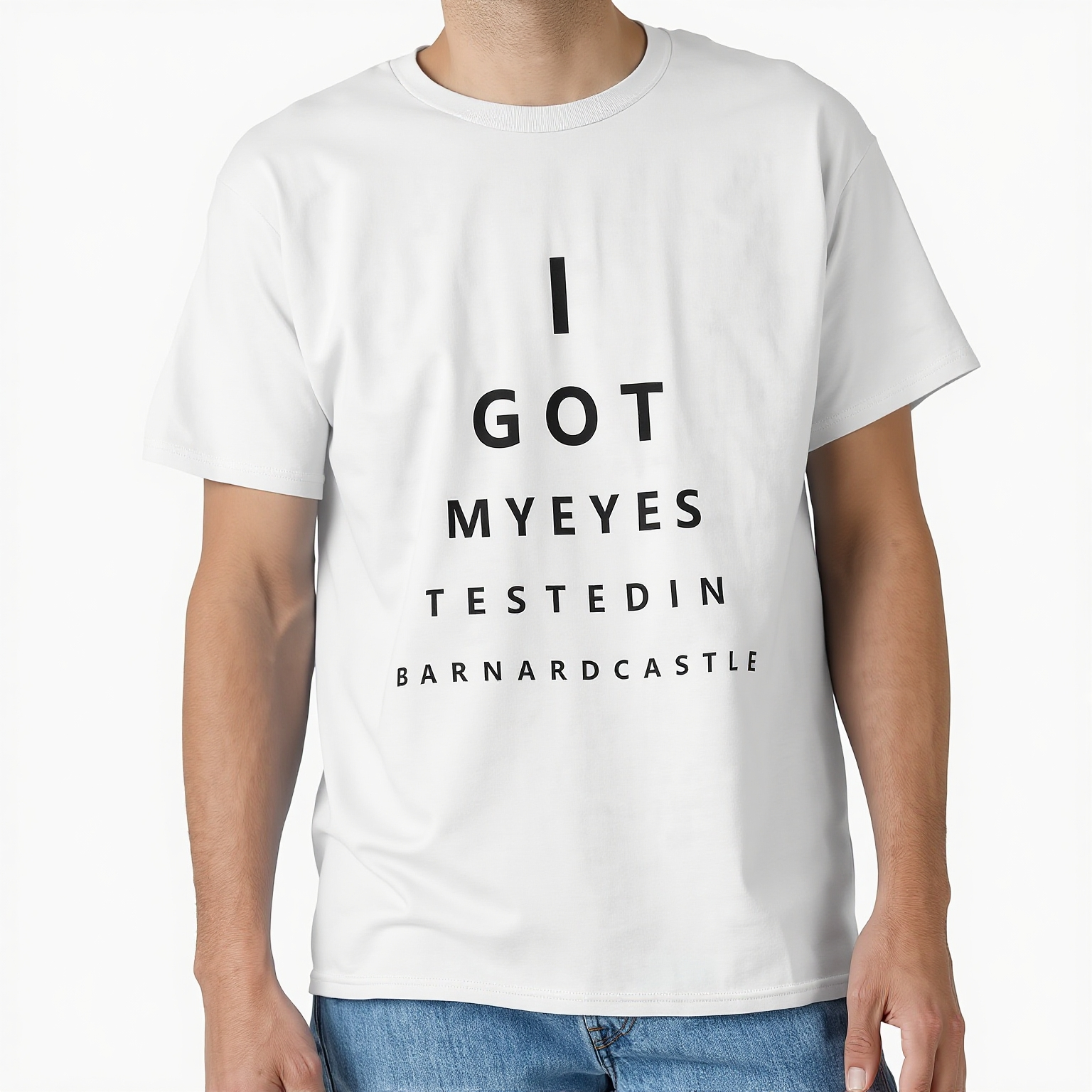
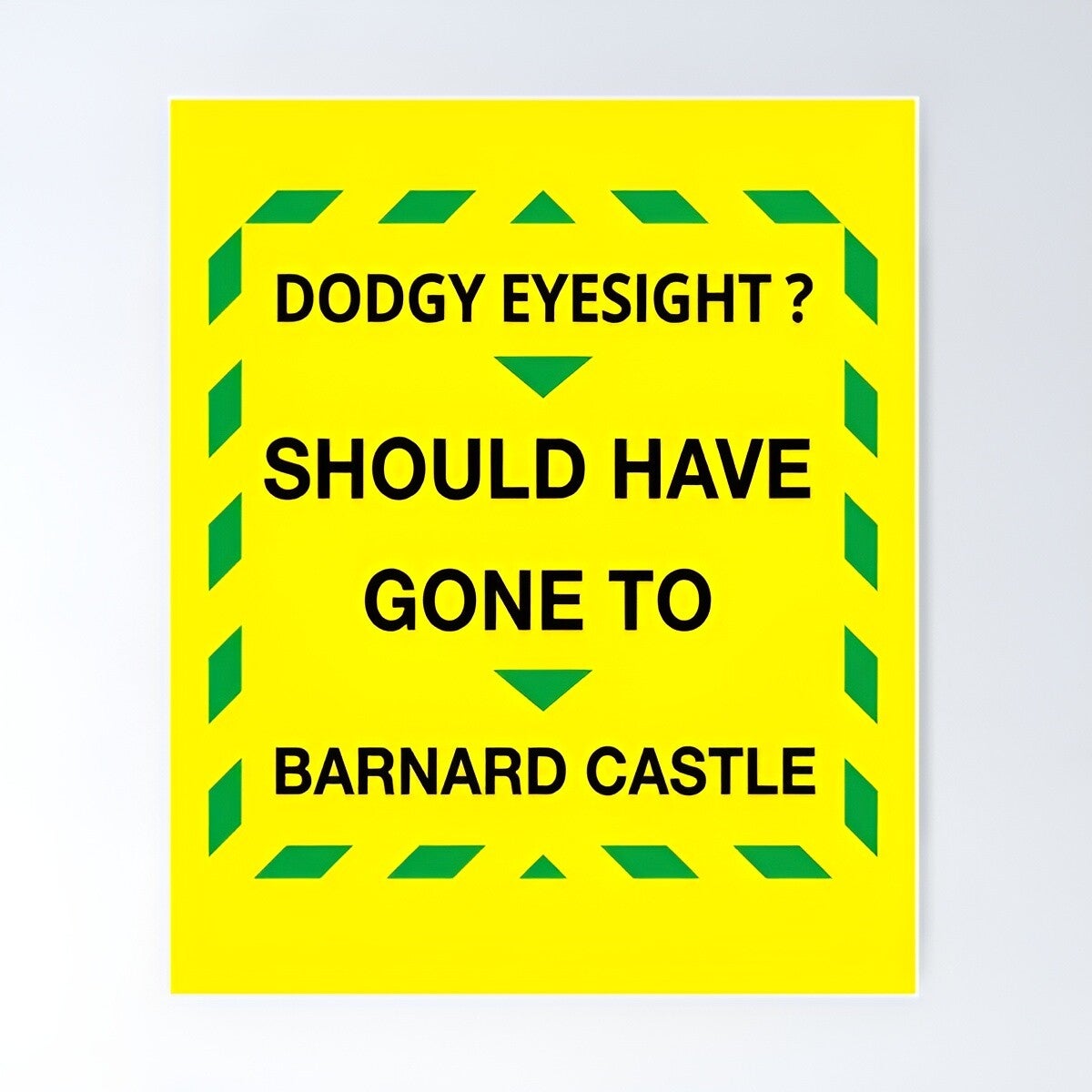
Cummings defended his actions by stating he drove to the town to test his eyesight before returning to London.
This phrase became a popular meme and has appeared on various merchandise like mugs and t-shirts.
The image humorously conflates the political scandal with the iconic "By the power of Grayskull" catchphrase from the He-Man cartoon.
Moron The DC Incident
The relationship between Dominic Cummings and Barnard Castle stems from a high-profile controversy in May 2020, during the height of the UK's first COVID-19 lockdown.
Cummings, then the Chief Adviser to Prime Minister Boris Johnson, travelled roughly 260 miles from London to Durham while he and his wife were experiencing COVID-19 symptoms. During this stay, he made a 30-mile round trip to Barnard Castle, a local market town.
The "Eye Test" Explanation
In a unique press conference held in the 10 Downing Street rose garden on 25 May 2020, Cummings defended the trip with several key claims:
• Testing Eyesight: He stated he drove to Barnard Castle specifically to test if his vision was safe enough for the long drive back to London, as his eyesight had allegedly been affected by the virus.
• Exceptional Circumstances: He argued the initial move to Durham was necessary for childcare security, later adding in 2021 that safety threats against his family were a primary motivator.
• Maintaining Distance: He claimed his family only walked a short distance (10–15 metres) from their car to sit by the riverbank for about 15 minutes before returning.
Investigation and Impact
The incident became a defining moment of the pandemic response, often referred to as the "Dominic Cummings effect".
• Police Findings: Durham Constabulary concluded that while the journey from London to Durham was not an offence, the trip to Barnard Castle "might have been a minor breach" of lockdown regulations. No retrospective action was taken.
• Public Reaction: The "eye test" explanation was widely mocked and led to a significant drop in public trust in government health messaging. A poll at the time showed 59% of Britons believed he should resign.
• Legacy in Pop Culture: The town became an unlikely tourist destination, with English Heritage reporting a 20% increase in visitors to the actual castle in 2021. The phrase "Should have gone to Specsavers" saw a 6,000% spike in mentions, and a "Barnard Castle Eye Test" IPA was even produced by BrewDog.
Recent Developments
In evidence given to the UK Covid-19 Inquiry in late 2023:
• Cummings admitted the handling of the incident was a "disaster" and an "absolute car crash," though he maintained his actions were technically legal.
• Former PM Boris Johnson described the scandal as a "bad moment" for the government's pandemic response.
Beyond the ordinary
Li
Beyond the ordinary
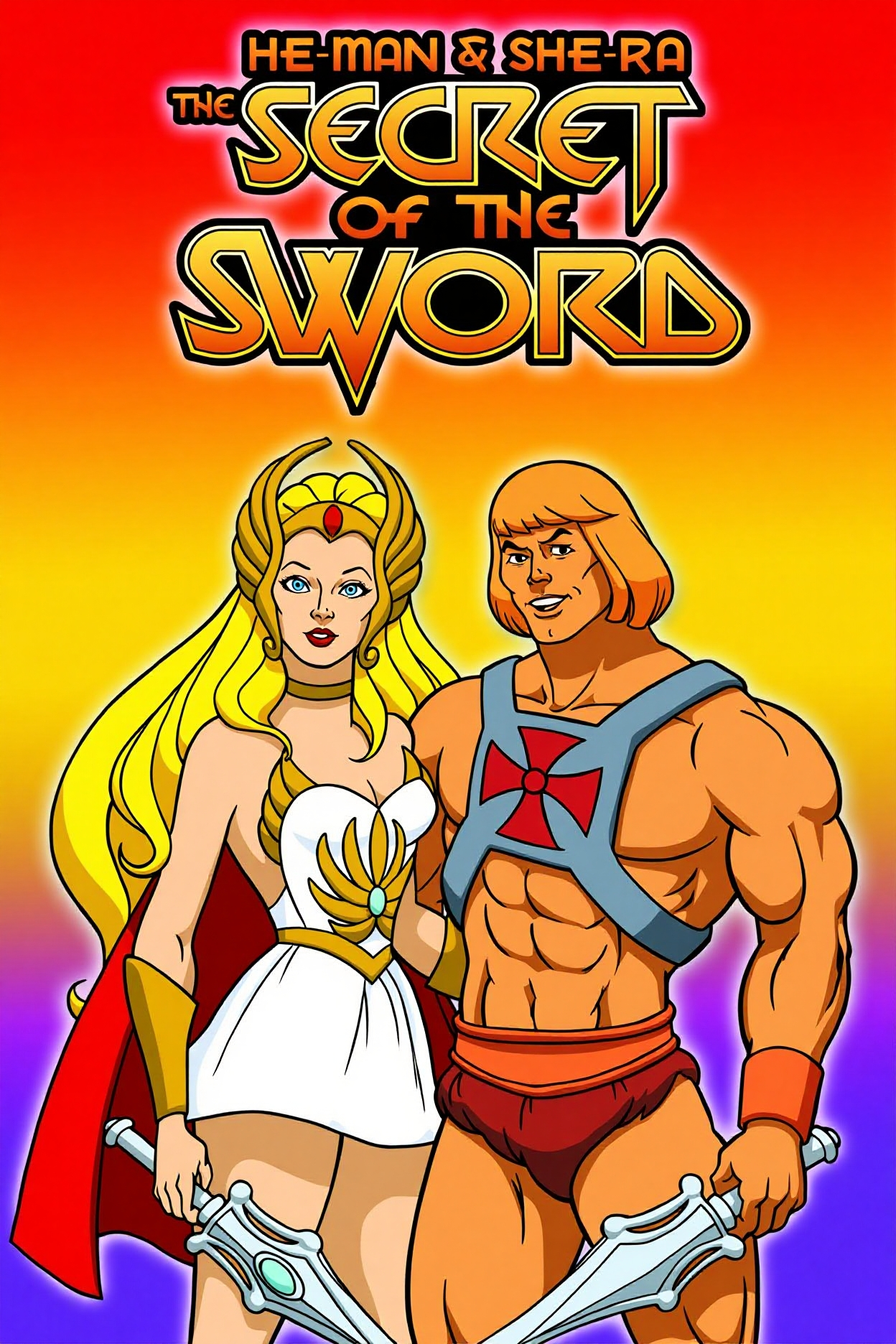
DC Comics first got involved with He-Man in 1982, shortly after the Masters of the Universe toy line was launched, marking the character's debut in a traditional comic format.
Key early involvement included.
DC Comics Presents #47 (July 1982): Titled "From Eternia—With Death!", this issue featured a crossover where Superman travels to Eternia to team up with He-Man. It is often cited as the first appearance of He-Man in a standard comic, as well as the debut of the Prince Adam identity.
1982 Mini-Comics: DC also produced the "Wave 2" mini-comics packaged with the toys, which introduced more sci-fi elements to the storyline and established the Royal Palace setting.
The early 1980s DC comics were pivotal in establishing the lore that He-Man was the alter ego of Prince Adam, bridging the gap between the original, more barbarian-focused mini-comics and the cartoon series.
DC Comics held the rights to produce new Masters of the Universe comics between 2012 and 2020, publishing several series, crossovers, and collected editions. These comics blended the classic fantasy of Eternia with modern storytelling and high-stakes action crossovers with the DC Universe.
Here are the key details regarding He-Man and DC Comics.
Major DC Comic Series (2012–2020)
He-Man and the Masters of the Universe (2012–2013): A six-issue mini-series where Skeletor captures Castle Grayskull but faces a new, hidden threat.
He-Man and the Masters of the Universe (2013–2015): A second ongoing series following the events of the first.
He-Man: The Eternity War (2015–2016): An ongoing series where He-Man and She-Ra lead a resistance against Hordak.
He-Man and the Masters of the Multiverse (2019–2020): A six-issue limited series featuring various versions of He-Man teaming up against Anti-Eternia.
Key Crossovers
• DC Universe vs. The Masters of the Universe (2013): A six-issue series where He-Man and his allies must stop Skeletor, who is manipulating heroes in the DC Universe.
• He-Man/ThunderCats (2016): A crossover in which Mumm-Ra attempts to seize He-Man's Sword of Power.
• Injustice vs. Masters of the Universe (2018–2019): A crossover series featuring the Injustice: Gods Among Us storyline, where He-Man helps the insurgency against a totalitarian Superman.
Notable Publications and Formats
• Omnibus: A massive collected edition that includes the 2012–2013 series, Eternity War, the crossovers, and origin stories.
• Digital-First Series: A 2012 weekly series that explored the world of Eternia, written by Geoff Johns.
• First Appearance: He-Man first appeared in a DC comic in DC Comics Presents #47 (1982) in a team-up with Superman.
The DC series generally featured a more mature, action-packed take on the characters, often exploring darker themes than the 1980s animated series.
Beyond The Ordinary
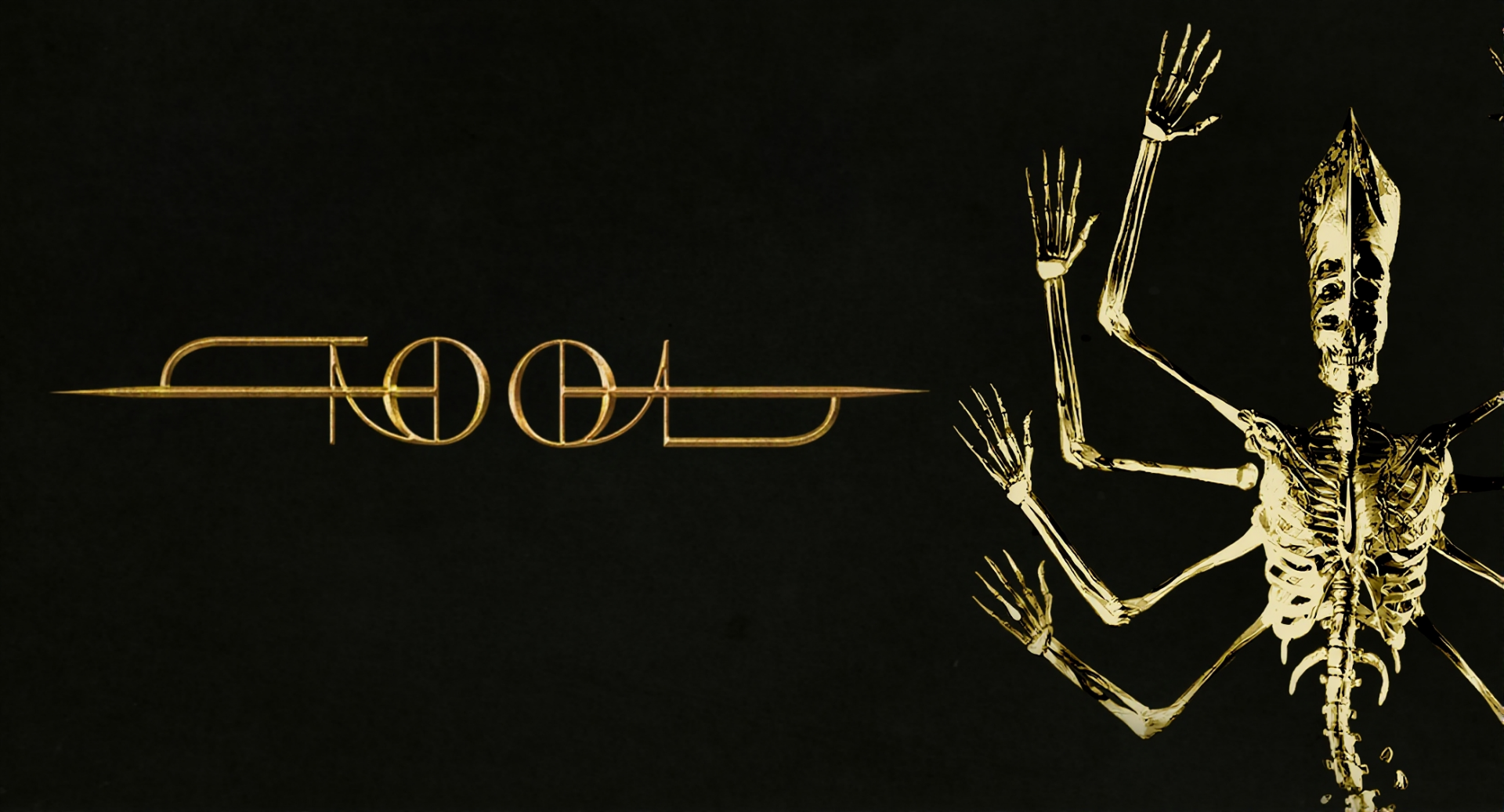
The Band Tool's Golden Humanoid-Spider/Shiva/Kali Character.
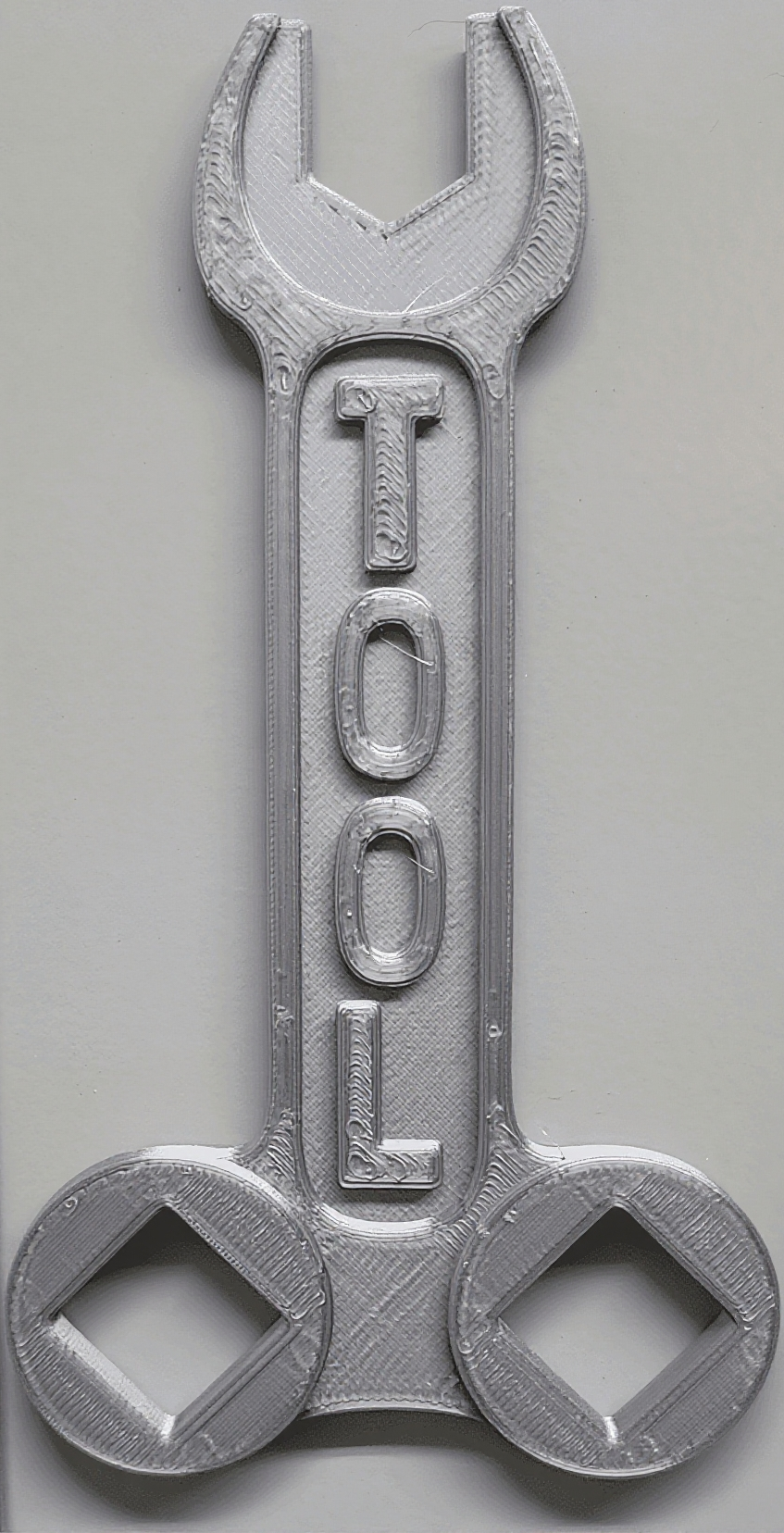
Tool had a set of special D-tools produced as part of their merchandising.
I Have The Power
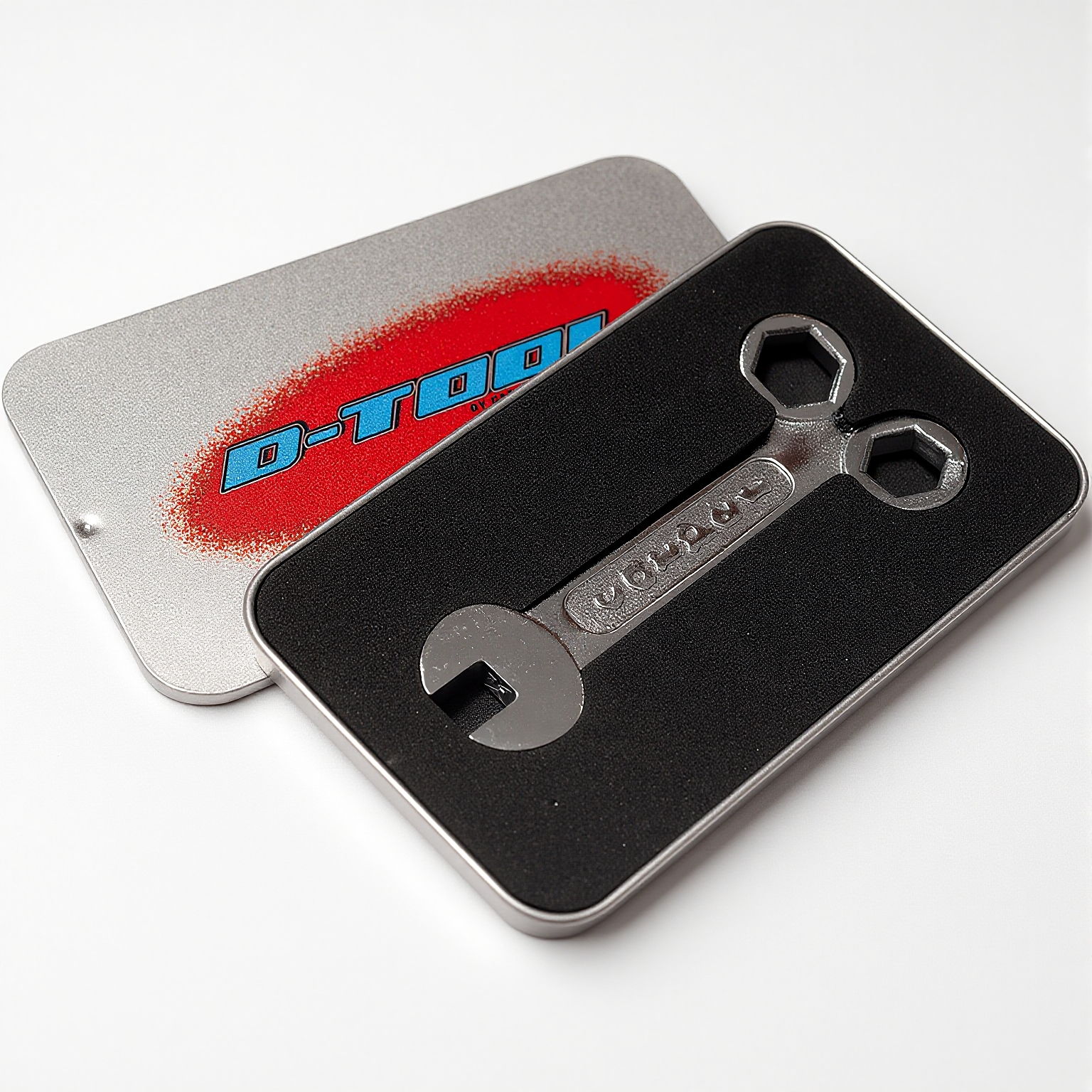
The Carpet Company D-Tool.
Beyond The Ordinary
Li
Beyond The Ordinary

What some people get up to with tools really makes me angry.