Beyond The Ordinary
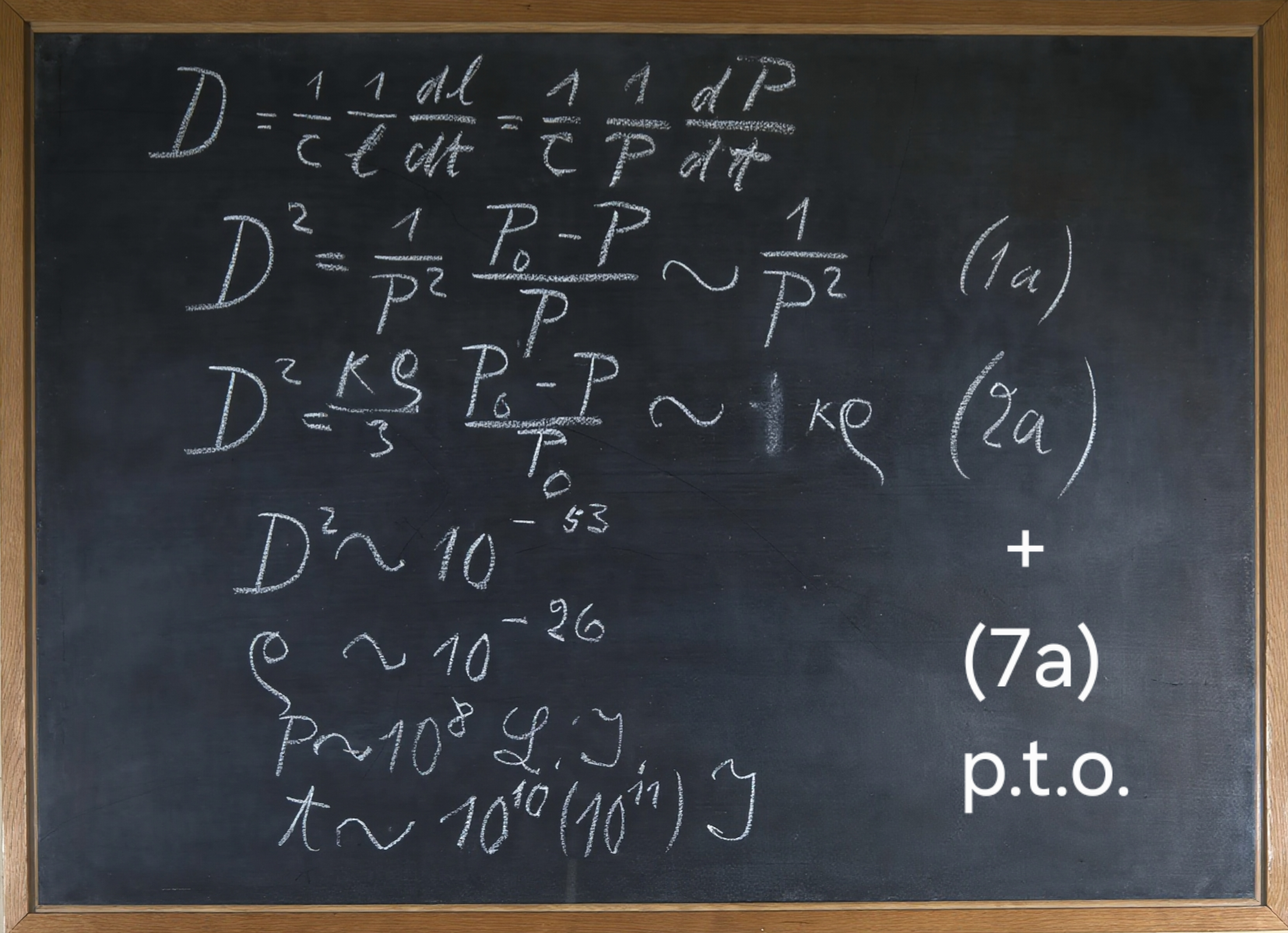
Einstein's Blackboard, History Of Science Museum in Oxford.
Beyond the ordinary
Albert Einstein’s Blackboard is the most famous object in the History of Science Museum in Oxford. It was used during his second Rhodes Memorial Lecture on 16 May 1931 at Rhodes House, where he discussed his new model of an expanding universe.
Beyond the ordinary
Beyond The Ordinary
The Story Behind Einstein's Blackboard.
Preservation:
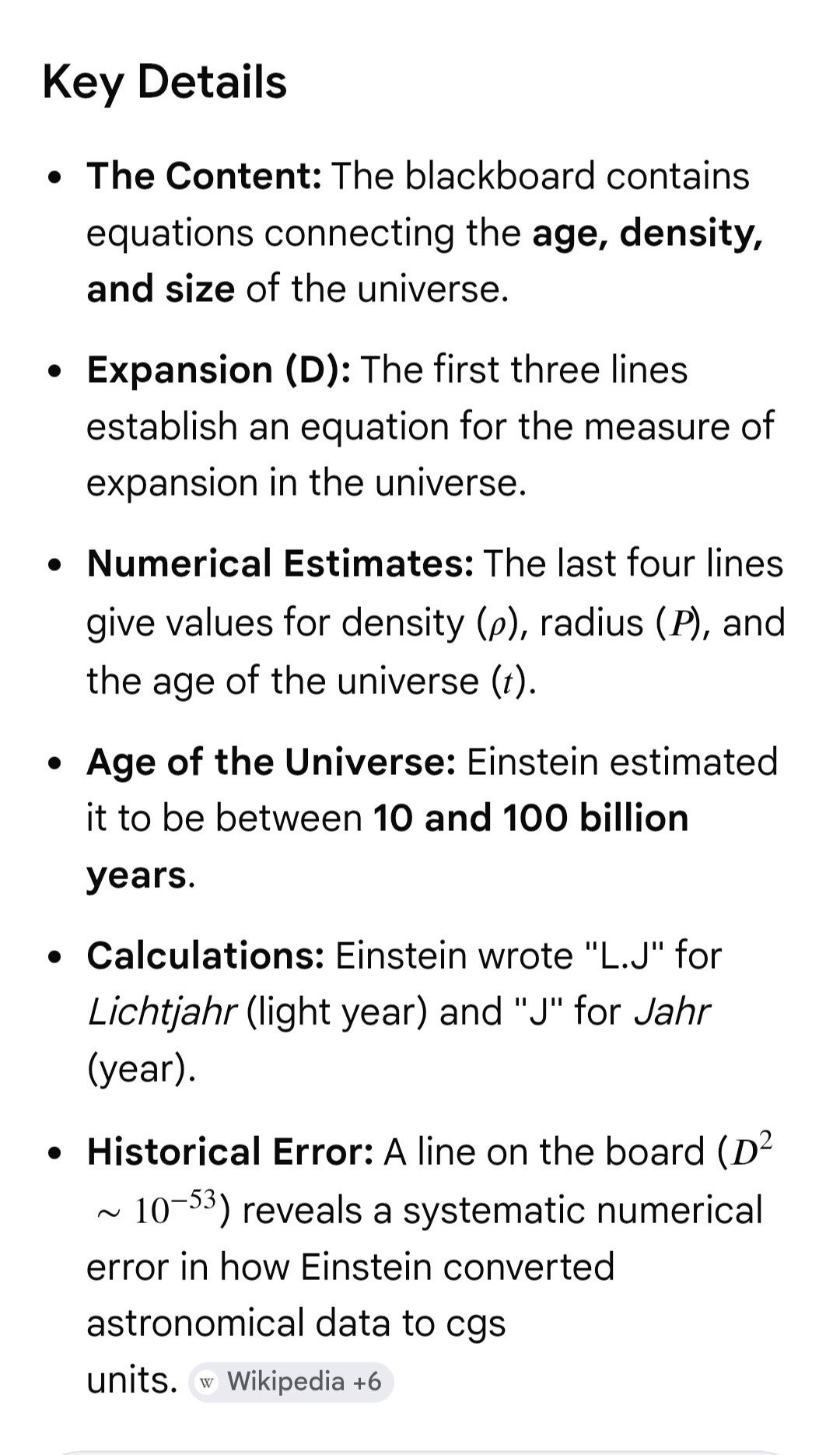
Originally, two blackboards were preserved from the lecture. One was accidentally wiped clean by a museum cleaner, leaving only this one.
Einstein's Reaction:
Einstein was initially annoyed by the preservation, viewing it as a "personality cult" and noting in his diary that he felt "shattered" by the attention.
Iconic Status:
Today, it is treated almost as a "secular relic". Because the chalk has never been varnished or fixed, the board is considered too fragile to be moved or lent to other museums.
Beyond The Ordinary
The intro to The Monkees' 1967 hit Daydream Believer features producer Chip Douglas calling out 7A, referring to the seventh take. Davy Jones replies, 'What number is this, Chip?' followed by '7A!' from the booth and Davy saying, 'Okay, don't get excited, man... It's 'cause I'm short, I know'.
Why it's there: The dialogue was left in from a frustrated, last-minute recording session.
Context:
The song was originally meant to be a B-side for 'Goin' Down'.
Record:
This intro appears on the original 1967 single, the The Birds, The Bees & The Monkees album, and numerous compilations.
Producer Chip Douglas admitted he regretted leaving the studio dialogue (specifically the (7A) take reference and banter) at the beginning of Daydream Believer. He felt the spoken intro made the track difficult for disc jockeys to queue up when it was unexpectedly released as a single.
Key details about this decision.