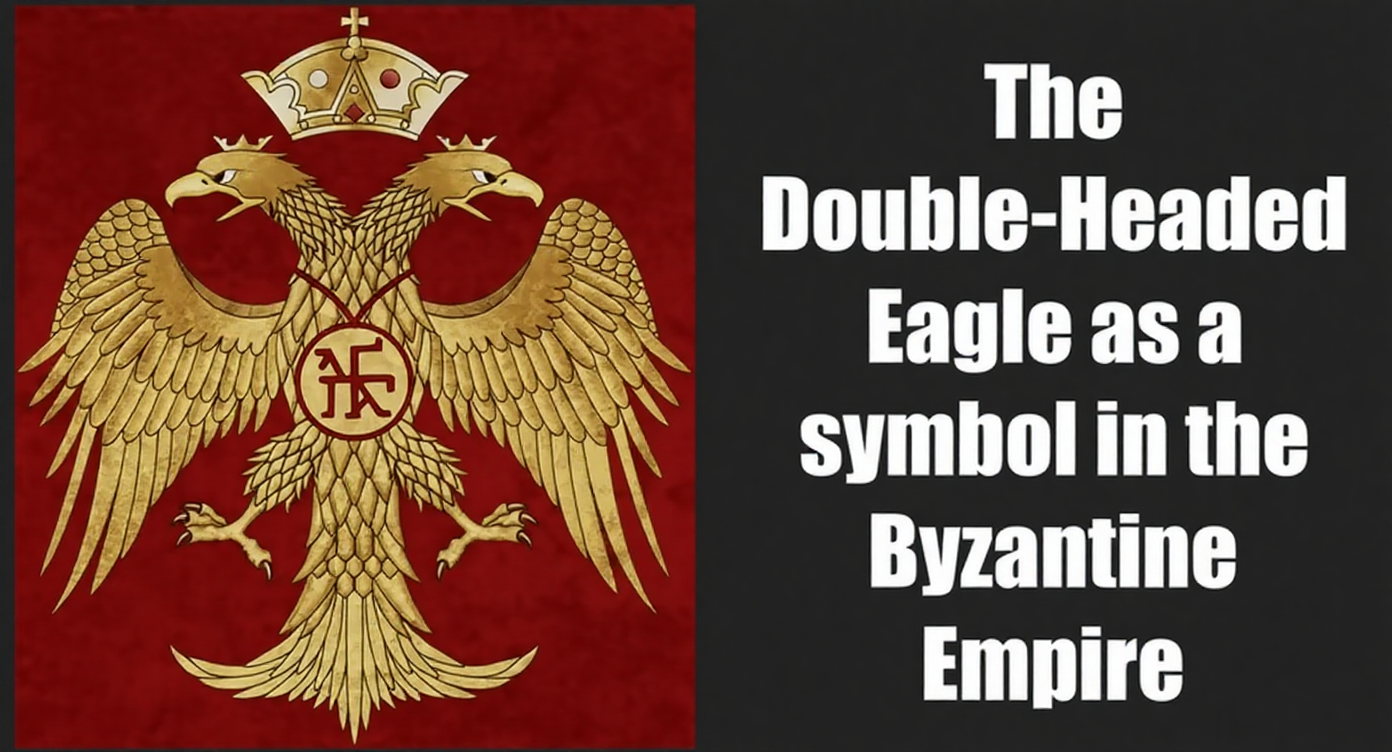
The Byzantine Empire, also known as the Eastern Roman Empire, was the continuation of the Roman Empire based in Constantinople (modern-day Istanbul). It survived the fall of the Western Roman Empire in the 5th century AD and endured for another thousand years until falling to the Ottoman Empire in 1453.Key aspects of the Byzantine Empire include:Identity: Citizens never called themselves "Byzantine"—a term coined by historians after the empire's demise—but rather referred to themselves as Romans. Culturally, they were heavily influenced by ancient Greece and primarily spoke Greek.Golden Age: Under Emperor Justinian I in the 6th century, the empire expanded its borders around the Mediterranean, codified Roman law (the Justinian Code), and built architectural marvels like the Hagia Sophia.Religion: It was a deeply Christian society. Theological and political differences eventually led to the Great Schism of 1054, splitting the church into Western Catholicism and Eastern Orthodoxy.Decline and Legacy: The empire was weakened over centuries by wars, the Crusades, and the rise of the Seljuk and Ottoman Turks. When Constantinople finally fell in 1453, it ended over a millennium of continuous Roman history.